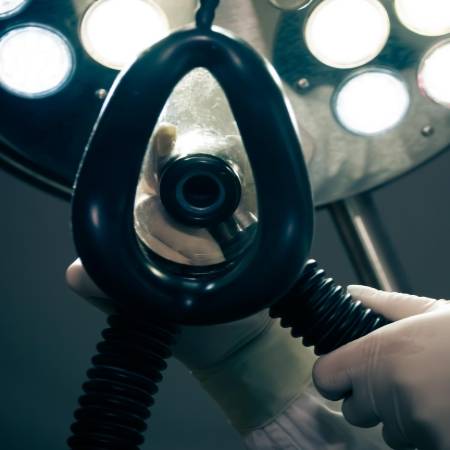

Cardiac Anaesthesiology is a highly specialized branch of anaesthesia dedicated to the care of patients undergoing heart surgeries and other complex cardiac procedures. At Citizens Hospitals, our expert cardiac anaesthesiologists play a vital role in the preoperative, intraoperative, and postoperative management of patients undergoing cardiac interventions. They are trained to handle the unique physiological challenges that arise during procedures such as coronary artery bypass grafting (CABG), valve replacements, congenital heart defect repairs, and minimally invasive cardiac surgeries.
Our Cardiac Anaesthesiology team at Citizens Hospitals collaborates closely with cardiac surgeons, perfusionists, and critical care teams to ensure seamless, patient-centric care. We utilize advanced monitoring techniques such as transoesophageal echocardiography (TEE), invasive hemodynamic monitoring, and cardiac output measurement to guide anaesthetic management in real time. This enables our team to maintain optimal cardiovascular stability and quickly respond to any changes during surgery, ensuring patient safety at every step.
The department is equipped with state-of-the-art technology and infrastructure that supports complex cardiac procedures, including hybrid operations and emergency interventions. Our anaesthesiologists are also deeply involved in postoperative care, especially in cardiac ICUs, where pain management, ventilatory support, and recovery optimization are crucial for successful outcomes. They are trained to manage high-risk patients with comorbidities, making sure each patient receives individualized anaesthetic plans tailored to their health condition.
At Citizens Hospitals, we are committed to delivering the highest standards of cardiac care. Our Cardiac Anaesthesiology department stands as a pillar of strength in our multidisciplinary heart team, ensuring that every patient receives safe, efficient, and compassionate care throughout their surgical journey. Through continuous innovation, clinical excellence, and a patient-first approach, we strive to set benchmarks in cardiac anaesthesia services in the region.

Doctors & Trained Staff

Term Of Specialists

Patients From More Than 5 Countries

OT Departments
The hospital caters to all types of medical problems, including cardiovascular surgery, neurological surgery, plastic surgery, kidney surgery, bariatric and metabolic surgery, oncology therapy, bone and joint surgery, and neck surgery.
Improvement in self-confidence by losing weight: The poor body image and social stigma associated with obesity increase the risk of depression and losing self-confidence. Weight loss surgeries increase confidence and prevent depression. Reduce the risk of cardiovascular events: The risk of several cardiovascular conditions, such as stroke, coronary artery disease, and peripheral artery disease, increases with obesity. A study concluded that weight loss surgery reduces the risk of death associated with hypertension, stroke, and myocardial infarction. Management of type-2 diabetes: Bariatric surgery also helps manage diabetes in patients suffering from obesity and type 2 diabetes. Manage obstructive sleep apnea: Studies have reported that 80-85% of patients are relieved from obstructive sleep apnea within one year after the surgery. Improve fertility: bariatric surgery improves fertility and reduces the risk of miscarriage. It also helps in normalizing menstrual cycles.
There are several methods for diagnosing hematological cancers. These include physical examination, blood tests, bone marrow tests (bone marrow biopsy and aspirations), lymph node analysis, and imaging tests (X-ray, Computed tomography, and positron emission tomography (PET)).
The side effects of radiation therapy depend upon the site of treatment:
Radiation therapy is a highly effective option for the management of cancer. However, the efficacy of radiation therapy depends upon the type, stage, and treatment response of the cancer. In many cases, a success rate of about 90% and above can be achieved. In advanced cancer, radiation therapy specialists may increase the radiation dose to obtain better results.
Our Blogs will keep you updated with the latest news,
campaigns, health and wellness updates you should know.