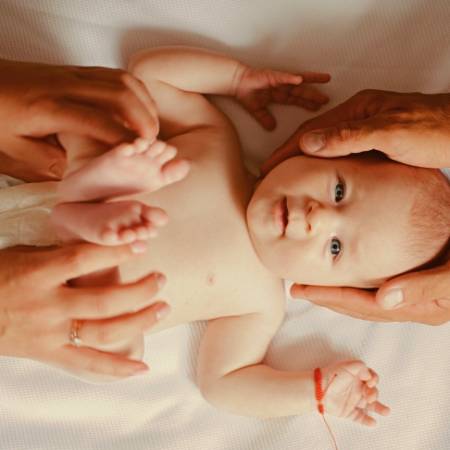

At Citizens Hospitals, our Paediatrics & Neonatology department is dedicated to delivering world-class healthcare for infants, children, and adolescents. From routine check-ups to complex medical conditions, our expert team of paediatricians and neonatologists provides personalized care tailored to every child’s unique needs. With a child-friendly environment and compassionate approach, we ensure that both children and their families feel supported at every stage.
Our Neonatal Intensive Care Unit (NICU) is equipped with modern technology and led by skilled neonatologists who specialize in the care of premature and critically ill newborns. We are fully prepared to manage a wide range of neonatal complications with precision and care. Our NICU team is focused not just on survival but also on ensuring the best long-term outcomes for each newborn.
Citizens Hospitals offers a full range of paediatric services, including vaccination programs, developmental screenings, chronic disease management, emergency care, and nutrition counselling. With a focus on prevention, early diagnosis, and child-centered care, our team works collaboratively to support your child’s physical, emotional, and cognitive development.

Doctors & Trained Staff

Term Of Specialists

Patients From More Than 5 Countries

OT Departments
The hospital caters to all types of medical problems, including cardiovascular surgery, neurological surgery, plastic surgery, kidney surgery, bariatric and metabolic surgery, oncology therapy, bone and joint surgery, and neck surgery.
Improvement in self-confidence by losing weight: The poor body image and social stigma associated with obesity increase the risk of depression and losing self-confidence. Weight loss surgeries increase confidence and prevent depression. Reduce the risk of cardiovascular events: The risk of several cardiovascular conditions, such as stroke, coronary artery disease, and peripheral artery disease, increases with obesity. A study concluded that weight loss surgery reduces the risk of death associated with hypertension, stroke, and myocardial infarction. Management of type-2 diabetes: Bariatric surgery also helps manage diabetes in patients suffering from obesity and type 2 diabetes. Manage obstructive sleep apnea: Studies have reported that 80-85% of patients are relieved from obstructive sleep apnea within one year after the surgery. Improve fertility: bariatric surgery improves fertility and reduces the risk of miscarriage. It also helps in normalizing menstrual cycles.
There are several methods for diagnosing hematological cancers. These include physical examination, blood tests, bone marrow tests (bone marrow biopsy and aspirations), lymph node analysis, and imaging tests (X-ray, Computed tomography, and positron emission tomography (PET)).
The side effects of radiation therapy depend upon the site of treatment:
Radiation therapy is a highly effective option for the management of cancer. However, the efficacy of radiation therapy depends upon the type, stage, and treatment response of the cancer. In many cases, a success rate of about 90% and above can be achieved. In advanced cancer, radiation therapy specialists may increase the radiation dose to obtain better results.
Our Blogs will keep you updated with the latest news,
campaigns, health and wellness updates you should know.