It is easy to let your own health slide to the bottom of the to-do list. Between building a career, nurturing relationships, perhaps raising a family, and managing the daily logistics of modern life, scheduling a doctor's appointment often feels like a luxury you cannot afford. However, viewing healthcare as a reactive measure—something you only engage with when you are sick—is a mindset that needs shifting.
Preventive care is the ultimate form of self-compassion. It is about establishing a relationship with your body and a trusted medical provider to ensure you are functioning at your peak. Regular screenings allow us to detect potential issues long before they become symptomatic, giving you the best possible outcomes and, more importantly, peace of mind.
Your 20s are a decade of significant transition and growth. While you likely feel youthful and resilient, this is the critical decade for establishing a health baseline. The habits you form and the medical history you document now set the trajectory for your future well-being.
The Papanicolaou test, commonly known as a Pap smear, is the hallmark screening for women in this decade. Current guidelines generally recommend starting cervical cancer screening at age 21, regardless of sexual history. This test looks for precancerous cells on the cervix that might become cervical cancer if not treated appropriately.
If your results are normal, you typically only need this test every three years. It is a quick, potentially life-saving procedure that should be a non-negotiable part of your calendar.
Many sexually transmitted infections (STIs), such as chlamydia and gonorrhea, are often asymptomatic in women. Without screening, these infections can go untreated and lead to long-term complications, including pelvic inflammatory disease and infertility.
If you are sexually active, annual screenings for chlamydia and gonorrhea are highly recommended. Furthermore, all adults should be tested for HIV at least once in their lifetime, or more frequently if risk factors are present. Conversations about sexual health should be open, honest, and free of judgment—your provider is there to help you stay safe, not to critique your lifestyle.
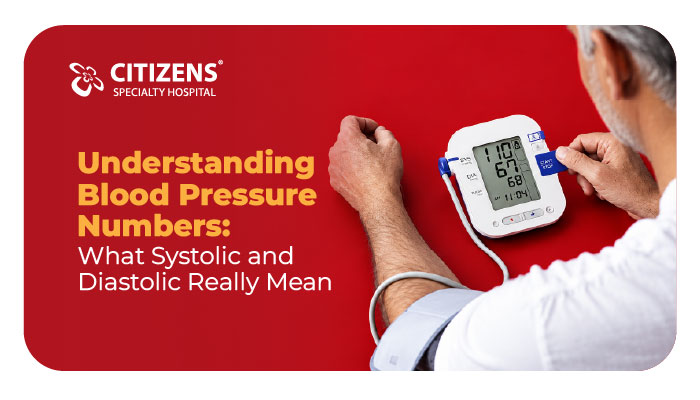
High blood pressure is often called the "silent killer" because it rarely shows symptoms until significant damage has been done to the heart and arteries. Screening should begin at age 18. If your reading is normal (less than 120/80 mm Hg), getting it checked every two years is usually sufficient. However, if it is elevated, your provider may want to monitor it annually to prevent future cardiovascular issues.
Melanoma is one of the most common cancers in young women. While you should be checking your own skin monthly for changes in moles or new growths, a clinical skin exam by a dermatologist or primary care provider is recommended periodically. If you have fair skin or a history of sun exposure, these checks might need to be more frequent.
As you move into your 30s, your body may start to give you subtle signals that it needs more support. Metabolism might shift, and the stress of balancing high-level career demands or parenthood can take a toll. This is the decade for vigilance.
Once you turn 30, the guidelines for cervical health evolve. You typically have the option to combine your Pap test with an HPV (human papillomavirus) test. This is known as co-testing. Because HPV is the primary cause of cervical cancer, testing for the virus itself adds a layer of security.
If you opt for co-testing and both results are negative, you may only need to be screened every five years. This extended interval is a benefit of the high accuracy of co-testing, though you should still maintain annual wellness visits for other checks.
Heart disease remains the leading cause of death for women, and the groundwork for heart health is laid early. Regular cholesterol checks (a lipid panel) should become routine in your 30s, usually every 4 to 6 years if your levels are normal.
This blood test measures LDL ("bad") cholesterol, HDL ("good") cholesterol, and triglycerides. Understanding these numbers helps you and your doctor make informed decisions about diet and exercise before medication becomes necessary.
Thyroid disorders are significantly more common in women than men and often manifest in this decade. Symptoms like unexplained weight gain, fatigue, hair loss, or anxiety can often be dismissed as "just stress." While not always a universal screening for asymptomatic women, discussing a TSH (thyroid-stimulating hormone) test with your doctor is wise if you notice these subtle changes. It is a simple blood test that can dramatically improve your quality of life if an imbalance is found.
Your 40s are a powerful decade. You know yourself better than ever, but you may also be noticing the early whispers of perimenopause or other age-related shifts. Screening in this decade becomes more aggressive to catch age-related risks early.
Breast cancer screening is one of the most discussed topics in women's health. While some organizations recommend starting annual mammograms at age 40, others suggest 45 or 50, depending on personal risk factors.
This is a conversation that requires a personalized approach. If you have a family history of breast cancer or dense breast tissue, your provider might recommend starting at 40 or even earlier. The goal is to detect abnormalities when they are smallest and most treatable. Do not wait for a lump; lean on imaging technology to give you the full picture.
As we age, our risk for type 2 diabetes increases. Starting at age 45 (or sooner if you are overweight or have high blood pressure), a fasting blood sugar test or an A1C test is recommended every three years.
Prediabetes is a reversible condition, but only if you know you have it. Catching elevated blood sugar in your early 40s gives you a crucial window of opportunity to adjust your lifestyle and prevent the onset of full-blown diabetes.
Previously, colonoscopies were a rite of passage for 50-year-olds. However, due to a concerning rise in colorectal cancer among younger adults, the American Cancer Society now recommends starting regular screening at age 45.
While a colonoscopy is the gold standard because it allows doctors to find and remove precancerous polyps during the exam, there are also non-invasive stool-based tests available. Discuss the best option for your comfort level and risk profile with your doctor.
Your 40s are often when vision changes, such as difficulty reading fine print (presbyopia), begin. Beyond needing reading glasses, a comprehensive eye exam at age 40 helps screen for glaucoma, a disease that damages the optic nerve and can lead to blindness if untreated.
Regardless of the number on your birthday cake, mental health screenings should be a consistent part of your primary care visits. Depression and anxiety can affect women at any stage of life, triggered by hormonal shifts, life events, or biological predisposition.
Your doctor should screen for depression and anxiety during your routine wellness exams. Being honest about your mood, sleep patterns, and stress levels is vital. Mental health is inextricably linked to physical health; caring for your mind is just as important as checking your cholesterol.
There is tremendous power in knowledge. By understanding which tests are appropriate for your decade of life, you transform the doctor's visit from a passive obligation into an active strategy for longevity.
Remember that these guidelines are for women at average risk. Your personal family history—such as a mother or sister with breast or ovarian cancer—may necessitate a completely different schedule. This is why the annual wellness visit is irreplaceable; it is the dedicated time to update your family history and tailor a plan specifically for you.