Receiving a high cholesterol reading during a routine checkup can cause understandable concern. Many patients feel anxious about what this means for their heart health and their future. Fortunately, your daily habits hold incredible power over your cardiovascular well-being. Diet plays a central role in managing cholesterol levels, and making mindful adjustments to your meals can lead to significant improvements.
Cholesterol itself is not inherently dangerous. Your body needs this waxy substance to build healthy cells. The risk arises when there is an excess of low-density lipoprotein (LDL), often referred to as "bad" cholesterol. High levels of LDL can lead to plaque buildup in your arteries, increasing the risk of heart disease and stroke. Conversely, high-density lipoprotein (HDL) acts as the "good" cholesterol, helping to carry excess cholesterol back to your liver for processing.
The Best Foods to Lower Cholesterol Naturally
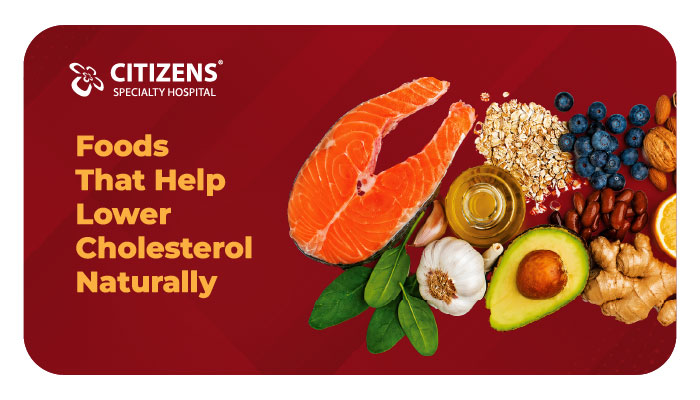
Certain foods actively lower cholesterol in different ways. Some deliver soluble fiber, which binds cholesterol and its precursors in the digestive system and drags them out of the body before they get into circulation. Others provide polyunsaturated fats, which directly lower LDL. Here are seven excellent choices to include in your diet.
Oats and Barley
Starting your day with a bowl of oatmeal or an oat-based cereal is a highly effective way to manage your heart health. Oats and barley are rich in a specific type of soluble fiber called beta-glucan. When consumed, soluble fiber forms a gel-like substance in your intestines, which reduces the absorption of cholesterol into your bloodstream. Eating just one and a half cups of cooked oatmeal provides a substantial portion of the recommended daily intake of soluble fiber.
Beans and Legumes
Beans are incredibly rich in soluble fiber. They also take a longer time for the body to digest, meaning you feel full for a longer period after a meal. This makes beans a highly beneficial food for anyone trying to lose weight, which is another effective way to manage cholesterol. From navy and kidney beans to lentils and black-eyed peas, legumes are highly versatile and can be easily added to soups, salads, and side dishes.
Nuts and Seeds
Extensive research demonstrates that eating almonds, walnuts, peanuts, and other tree nuts is beneficial for the heart. Walnuts, in particular, are rich in omega-3 fatty acids, a type of polyunsaturated fat known to protect heart health. Eating a handful of nuts daily can slightly lower your LDL cholesterol. They also contain plant sterols, which are substances naturally found in plants that help block the absorption of cholesterol.
Fatty Fish
Eating fatty fish two or three times a week can lower LDL in two ways. First, by replacing meat, which contains LDL-boosting saturated fats. Second, by delivering LDL-lowering omega-3 fats. Omega-3s reduce triglycerides in the bloodstream and protect the heart by helping prevent the onset of abnormal heart rhythms. Salmon, mackerel, herring, and sardines are excellent sources. To maintain the health benefits, it is best to bake or grill the fish rather than frying it.
Avocados
Avocados are a highly nutritious fruit. They are an exceptional source of monounsaturated fats and dietary fiber, two nutrients that help lower bad cholesterol and raise good cholesterol. Clinical studies suggest that adding an avocado a day to a heart-healthy diet can help improve LDL cholesterol levels in patients who are overweight or obese. They can be enjoyed on whole-grain toast, sliced into salads, or used as a healthy fat substitute in various recipes.
Olive Oil
Using olive oil in place of other fats in your diet is a smart move for your heart. Extra virgin olive oil is loaded with heart-healthy monounsaturated fats and powerful antioxidants. These antioxidants can help reduce the inflammation that drives heart disease. Try using olive oil to sauté vegetables, add it to a marinade, or mix it with vinegar as a simple salad dressing.
Fruits Rich in Pectin
Apples, grapes, strawberries, and citrus fruits are rich in pectin, a type of soluble fiber that lowers LDL. Pectin binds to cholesterol in the gastrointestinal tract and helps excrete it. Eating whole fruits rather than drinking fruit juices ensures you get the maximum amount of fiber and nutritional benefit.
Dietary Habits to Limit
While adding the right foods is crucial, managing your intake of certain fats is equally important for a balanced lipid profile. Saturated fats, primarily found in red meat and full-fat dairy products, raise your total cholesterol. Decreasing your consumption of saturated fats can reduce your LDL cholesterol.
Trans fats, sometimes listed on food labels as "partially hydrogenated vegetable oil," are often used in store-bought cookies, crackers, and cakes. Trans fats raise overall cholesterol levels and lower the protective HDL cholesterol. Checking nutritional labels and choosing whole, unprocessed foods will help you avoid these harmful fats.
Conclusion
Achieving a healthy cholesterol level is a steady, ongoing process. Making sudden, drastic changes to your diet is rarely sustainable. Instead, focus on gradually incorporating these heart-healthy foods into your meals. Small adjustments, like swapping a refined cereal for oatmeal or choosing fish over red meat once a week, yield significant long-term benefits.