A chronic disease diagnosis often marks a significant turning point in a person's life. It shifts the focus from occasional doctor visits to a continuous partnership with healthcare providers. Unlike acute conditions—like a broken bone or the flu—chronic diseases persist for a year or longer, requiring ongoing medical attention, lifestyle adjustments, or both.
Understanding these conditions is the first step toward empowerment. While the prevalence of chronic disease is high, particularly as we age, a diagnosis is not a signal to stop living fully. With the right care plan and a proactive approach, many of these conditions can be managed effectively, preserving your quality of life and long-term well-being.
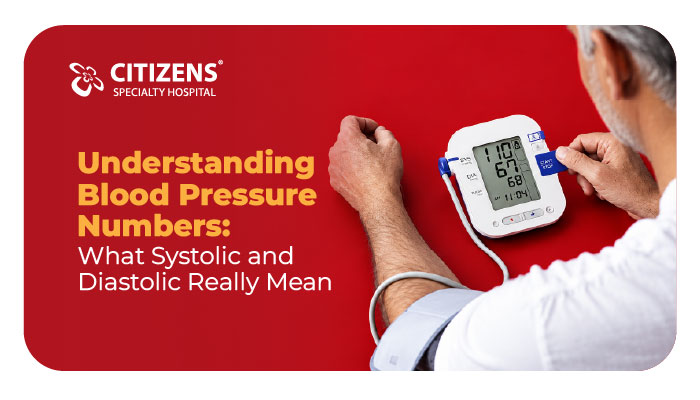
Often referred to as the "silent killer," hypertension tops the list of common chronic conditions. It occurs when the force of blood pushing against the walls of your arteries is consistently too high. Over time, this pressure causes the heart to work harder than it should and weakens blood vessels.
Because hypertension rarely shows obvious symptoms until significant damage is done, regular screening is vital. Uncontrolled high blood pressure increases the risk of stroke and heart attack. Management typically involves reducing sodium intake, engaging in regular physical activity, and, when necessary, medication to keep pressure levels within a safe range.
Cholesterol is a waxy substance found in your blood. Your body needs it to build healthy cells, but high levels of low-density lipoprotein (LDL)—often called "bad" cholesterol—can increase your risk of heart disease. When you have too much LDL, fatty deposits develop in your blood vessels, making it difficult for enough blood to flow through your arteries.
This condition is frequently linked to diet and lifestyle, though genetics play a significant role as well. A care plan for high cholesterol often prioritizes a diet rich in fruits, vegetables, and whole grains, alongside medications known as statins if lifestyle changes alone are insufficient.
Arthritis is an umbrella term for joint inflammation, but osteoarthritis is the most common form found in older adults. It involves the wearing down of the protective cartilage on the ends of your bones over time. This can lead to pain, stiffness, and swelling, particularly in the hands, knees, hips, and spine.
Living with arthritis requires a delicate balance. While it may seem counterintuitive when you are in pain, movement is often the best medicine. Low-impact exercise helps strengthen the muscles around the joints, providing better stability. Your healthcare team can work with you to develop a pain management plan that maintains your mobility and independence.
Coronary heart disease (CHD) develops when the major blood vessels that supply your heart with blood, oxygen, and nutrients become damaged or diseased. This is usually due to plaque buildup (atherosclerosis) and inflammation. As plaque accumulates, the coronary arteries narrow, decreasing blood flow to the heart.
CHD is the leading cause of death in many developed nations, yet it is highly manageable and often preventable. Smoking cessation, weight management, and stress reduction are pillars of treatment. For those diagnosed with CHD, a cardiologist becomes a central figure in their health journey, monitoring heart function and prescribing medications to prevent blood clots or lower blood pressure.
Diabetes affects how your body turns food into energy. Most of the food you eat is broken down into sugar (glucose) and released into your bloodstream. When your blood sugar goes up, it signals your pancreas to release insulin. If you have diabetes, your body either doesn’t make enough insulin or can’t use the insulin it makes as well as it should.
Type 2 diabetes is the most prevalent form and is closely linked to physical inactivity and excess weight. Unmanaged diabetes can lead to serious complications, including vision loss, kidney disease, and nerve damage. However, with rigorous blood sugar monitoring, medication, and dietary discipline, patients can live long, healthy lives.
Your kidneys are your body's filtration system, removing wastes and extra water from your blood to make urine. Chronic Kidney Disease means your kidneys are damaged and can't filter blood the way they should. This damage can cause wastes to build up in your body, leading to other health problems like high blood pressure, anemia, and weak bones.
CKD often progresses slowly and may not cause symptoms until the kidneys are badly damaged. This emphasizes the need for regular check-ups, especially if you have diabetes or high blood pressure, which are the two leading causes of kidney failure. Early detection is critical to slowing the progression of the disease.
The term "heart failure" can sound frighteningly final, but it does not mean the heart has stopped beating. Rather, it means the heart is not pumping blood as well as it should. When this happens, your body doesn't get the blood and oxygen it needs to function properly.
Patients with heart failure often experience fatigue and shortness of breath. Managing this condition requires a comprehensive approach, including daily weight monitoring (to check for fluid retention), reducing salt intake, and strictly adhering to medication schedules. With proper care, the heart's pumping ability can often be supported and stabilized.
While often categorized separately from physical ailments, depression is a chronic medical condition that significantly impacts overall health. It is not merely a bout of sadness; it is a persistent feeling of emptiness or loss of interest that interferes with daily functioning. Chronic illness and depression often go hand-in-hand, as the stress of managing a long-term disease can trigger mental health struggles.
Treating depression is just as important as treating hypertension or diabetes. A combination of therapy, medication, and social support can restore a sense of hope and balance. Acknowledging mental health as a core component of your medical care is a sign of strength, not weakness.
Alzheimer’s disease is a progressive neurologic disorder that causes the brain to shrink and brain cells to die. It is the most common cause of dementia—a continuous decline in thinking, behavioral, and social skills that affects a person's ability to function independently.
While there is currently no cure for Alzheimer's, early diagnosis can offer patients and families the opportunity to plan for the future and access treatments that may slow the worsening of symptoms. Care for these conditions focuses on safety, dignity, and supporting the quality of life for both the patient and their caregivers.
COPD constitutes a group of lung diseases that block airflow and make it difficult to breathe. Emphysema and chronic bronchitis are the two most common conditions that contribute to COPD. Damage to the lungs from COPD is irreversible, but treatment can help control symptoms and minimize further damage.
The primary cause of COPD is cigarette smoking, though long-term exposure to other lung irritants—such as air pollution, chemical fumes, or dust—also plays a role. Treatment involves smoking cessation, pulmonary rehabilitation, and the use of inhalers or supplemental oxygen.
Receiving a diagnosis for a chronic condition can feel overwhelming. It is normal to feel uncertain about what the future holds. However, medicine has advanced to a point where these conditions are understood better than ever before. You are not defined by your illness.