World Stroke Day: What Bystanders Should Do in the First Five Minutes
World Stroke Day, observed on 29 October, reminds us of a hard truth: stroke
is one of the leading causes of death and long-term disability worldwide, and
India carries a large share of this burden. Yet many strokes can be treated
effectively if the person reaches the right hospital quickly.
During a stroke, the brain loses millions of nerve cells every minute that
blood flow is blocked. This is why doctors say "time is brain." The people
most likely to notice a stroke first are not doctors. They are family members,
colleagues, neighbours or strangers nearby.
What Is a Stroke?
A stroke happens when the blood supply to part of the brain is interrupted or
reduced, depriving brain tissue of oxygen and nutrients.
There are two main types:
-
Ischaemic stroke: Caused by a blood clot blocking an artery
supplying the brain. This is the most common type.
-
Haemorrhagic stroke: Caused by a blood vessel in the brain
bursting and bleeding.
A related condition, a transient ischaemic attack (TIA) or
"mini-stroke," causes stroke-like symptoms that go away within minutes to
hours. A TIA is a serious warning sign that a major stroke may follow and must
be treated as an emergency.
Minute One: Recognise the Signs With BE FAST
The BE FAST acronym helps anyone recognise stroke symptoms quickly:
-
B – Balance: Sudden loss of balance, dizziness or
difficulty walking.
-
E – Eyes: Sudden blurred vision, double vision or loss of
vision in one or both eyes.
-
F – Face: Ask the person to smile. Does one side of the
face droop?
-
A – Arms: Ask them to raise both arms. Does one arm drift
downwards or feel weak?
-
S – Speech: Is their speech slurred, strange or hard to
understand? Can they repeat a simple sentence?
-
T – Time: If you see any of these signs, it is time to call
for emergency help immediately.
Other possible symptoms include:
- Sudden numbness or weakness on one side of the body
- Sudden confusion or difficulty understanding
-
A sudden, severe headache with no known cause, sometimes described as "the
worst headache of my life"
- Nausea or vomiting along with other symptoms
Symptoms usually appear suddenly. Even if they seem to improve, do not wait.
Minute Two: Call for Emergency Help
Call for an ambulance right away. In India, dial 108 for
emergency ambulance services in most states, or
04067192021 to Citizens Specialty Hospital emergency number.
You can also call a nearby hospital that has a dedicated stroke unit or
emergency department.
When you call:
- Clearly say, "I think this person is having a stroke."
- Give the exact location with landmarks.
- Describe the symptoms you have seen.
-
Mention the time symptoms started or when the person was last seen normal.
- Stay on the line and follow the dispatcher's instructions.
If an ambulance will take much longer than driving, and the person is stable,
discuss with the emergency services whether to transport them directly to the
nearest stroke-ready hospital. Never let the person drive themselves.
Minute Three: Note the Time
This is one of the most important things a bystander can do. Clot-dissolving
treatment (thrombolysis) is generally given within a few hours of symptom
onset, and clot-removal procedures (mechanical thrombectomy) also depend on
timing and brain scan findings.
- Check your phone or watch and note when symptoms began.
-
If the person woke up with symptoms or you don't know when they started,
note the last time they were seen behaving normally.
- Share this information with the ambulance team and hospital staff.
Without this information, doctors may not be able to offer certain
time-sensitive treatments safely.
Minute Four: Keep the Person Safe and Comfortable
While waiting for help:
-
Keep them still and calm. Help them sit or lie down in a
comfortable, safe position.
-
If they are drowsy or vomiting, gently roll them onto their
side (the recovery position) to keep the airway clear, with the weaker side
facing up if possible.
- Loosen tight clothing around the neck and chest.
- Keep them warm with a blanket or jacket.
-
Reassure them. Speak calmly, even if they cannot respond
clearly. They may understand you.
- Stay with them. Do not leave them alone.
Minute Five: Gather Key Information
Use the remaining time to collect information that will help doctors act
quickly:
-
A list of current medicines, especially blood thinners such as warfarin,
apixaban, rivaroxaban, dabigatran, aspirin or clopidogrel
-
Known medical conditions, such as diabetes, high blood pressure, heart
disease, atrial fibrillation or previous stroke
- Recent surgery, injury or bleeding
- Allergies
- A family member's phone number
- Their ID and any medical records or prescriptions, if available
If possible, a family member or someone who knows the person should accompany
them to the hospital.
What Bystanders Should Not Do
Well-meaning actions can sometimes cause harm. During a suspected stroke:
-
Don't give food or water. Stroke can affect swallowing,
increasing the risk of choking or food entering the lungs.
-
Don't give any medicines, including aspirin. Aspirin can
worsen a haemorrhagic stroke, and only a brain scan can tell which type of
stroke it is.
-
Don't let them "sleep it off." Waiting to see if symptoms
improve wastes critical time.
-
Don't wait for symptoms to worsen before calling for help.
-
Don't try home remedies, such as pricking fingers, applying
oils or forcing the person to walk.
- Don't let them drive or travel alone.
If the Person Becomes Unresponsive
If the person stops responding and is not breathing normally:
- Call for help again and inform the emergency operator.
-
Begin CPR if you are trained: push hard and fast in the centre of the chest
at about 100 to 120 compressions per minute.
-
Use an automated external defibrillator (AED) if one is available and follow
its instructions.
-
Continue until medical help arrives or the person starts breathing normally.
What Happens at the Hospital
At a stroke-ready hospital, the team works quickly:
- A rapid assessment of symptoms and vital signs
- An urgent CT or MRI brain scan to identify the type of stroke
-
Blood tests, including blood sugar, since very low blood sugar can mimic
stroke
-
Clot-dissolving medication for eligible patients with ischaemic stroke
-
Mechanical thrombectomy for eligible patients with a large blocked artery
-
Specialised care for haemorrhagic stroke, which may include blood pressure
control, reversal of blood thinners or neurosurgery
The sooner a patient arrives, the more treatment options are available.
Who Is at Risk of Stroke?
Stroke can happen at any age, but the risk rises with:
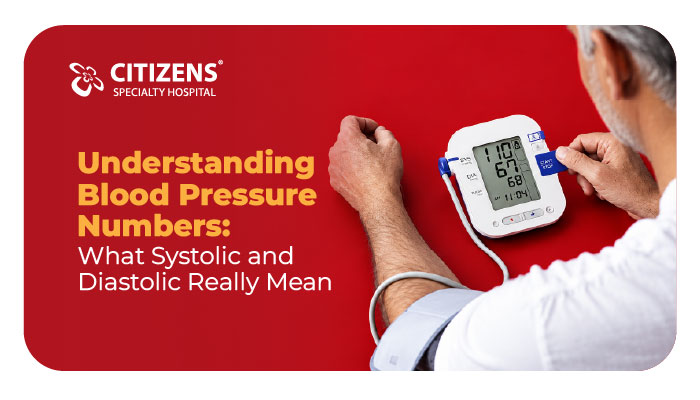
- High blood pressure, the single most important risk factor
- Diabetes
- High cholesterol
- Smoking and tobacco use
- Atrial fibrillation (irregular heartbeat)
- Obesity and physical inactivity
- Excess alcohol
- Previous stroke or TIA
- Family history of stroke
- Older age
Preventing Stroke: What You Can Do
- Check your blood pressure regularly and keep it under control
- Manage diabetes and cholesterol with your doctor's guidance
- Quit smoking and tobacco in all forms
- Exercise for at least 150 minutes a week
- Eat a diet rich in vegetables, fruits, whole grains and low in salt
- Limit alcohol
- Take prescribed medicines consistently
- Seek urgent care for any TIA symptoms, even if they pass
Conclusion
Most people will never be trained medical professionals, but anyone can learn
to recognise a stroke and act fast. Remember BE FAST, call for help
immediately, note the time, keep the person safe and gather key information.
Those first five minutes can save a life and protect someone's future.
This World Stroke Day, share this knowledge with your family and colleagues.
And take a step towards preventing stroke yourself by knowing your numbers.
Book your test with Citizens Specialty Hospital for a blood pressure, sugar
and cholesterol check today.