Understanding Chronic Acidity and When to Get It Checked
A burning sensation in the chest after a heavy meal, a sour taste in the mouth, or an uncomfortable
fullness in the upper abdomen: acidity is so common in India that many households keep antacids
within easy reach. For occasional acidity after a spicy dinner, that's often all that's needed.
But when acidity becomes a regular part of life, occurring several times a week or lasting for
months, it's no longer just a minor inconvenience. Chronic acidity can be a sign of conditions such
as gastro-oesophageal reflux disease (GERD), gastritis or peptic ulcers. Left untreated, some of
these can lead to complications.
What Is Acidity?
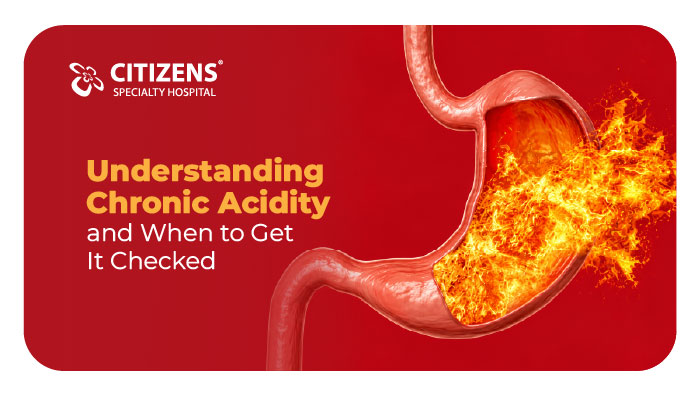
The stomach naturally produces acid to help digest food and kill harmful germs. The stomach lining
is protected from this acid by a layer of mucus. At the lower end of the food pipe (oesophagus), a
ring of muscle called the lower oesophageal sphincter (LES) acts as a valve, allowing food into the
stomach and preventing acid from flowing back up.
"Acidity" is a commonly used term that may refer to:
- Acid reflux: Stomach acid flowing back into the food pipe, causing heartburn
- Dyspepsia (indigestion): Discomfort or burning in the upper abdomen
- Gastritis: Inflammation of the stomach lining
Symptoms of Chronic Acidity
- Burning sensation in the chest (heartburn), often after meals or when lying down
- Sour or bitter taste in the mouth
- Regurgitation of food or sour liquid
- Burning or pain in the upper abdomen
- Bloating and belching
- Nausea
- Feeling full quickly
- Chronic cough, hoarseness or throat clearing
- Sore throat, especially in the morning
- Difficulty swallowing
- Bad breath
- Worsening asthma symptoms in some people
- Disturbed sleep due to night-time symptoms
Common Causes and Triggers
Dietary Habits
- Spicy, oily and fried foods
- Large, heavy meals
- Eating late at night
- Skipping meals or long gaps between meals
- Excess tea and coffee
- Carbonated drinks
- Citrus fruits and tomato-based foods in some people
- Chocolate, mint and onions in some people
- Alcohol
Lifestyle Factors
- Lying down soon after eating
- Obesity, especially abdominal fat, which increases pressure on the stomach
- Smoking, which weakens the LES
- Stress and poor sleep
- Tight clothing around the waist
- Physical inactivity
Medical Causes
- GERD: Chronic reflux of stomach acid into the oesophagus
- Hiatus hernia: Part of the stomach pushes up through the diaphragm
- Helicobacter pylori (H. pylori) infection: A common bacterial infection in India that can
cause gastritis and ulcers
- Peptic ulcers: Sores in the stomach or duodenal lining
- Gallbladder problems: Can cause upper abdominal discomfort resembling acidity
- Pregnancy: Hormonal changes and pressure from the growing uterus
Why Chronic Acidity Shouldn't Be Ignored
Repeated exposure to stomach acid can damage tissues over time. Potential complications include:
- Oesophagitis: Inflammation and ulceration of the food pipe
- Oesophageal stricture: Narrowing of the food pipe from scarring, making swallowing
difficult
- Barrett's oesophagus: Changes in the lining of the food pipe that slightly increase the risk of
oesophageal cancer
- Peptic ulcers: Which can bleed or, rarely, perforate
- Chronic cough, laryngitis and dental erosion
- Poor sleep and reduced quality of life
Lifestyle Changes That Help
Eating Habits
- Eat smaller meals more frequently
- Don't skip meals
- Eat slowly and chew well
- Finish dinner at least two to three hours before bedtime
- Identify and limit your personal trigger foods
- Reduce very spicy, oily and fried foods
- Limit tea, coffee, carbonated drinks and alcohol
Daily Habits
- Avoid lying down immediately after eating
- Raise the head end of your bed by 15 to 20 cm, using blocks under the bed legs rather than
extra pillows
- Sleep on your left side, which may reduce night-time reflux
- Maintain a healthy weight
- Quit smoking
- Wear loose, comfortable clothing
- Manage stress through relaxation, yoga, exercise or meditation
- Take a gentle walk after meals
When to Get Chronic Acidity Checked
See a doctor if:
- You have acidity symptoms more than twice a week
- Symptoms have persisted for several weeks despite lifestyle changes
- You rely on antacids or over-the-counter medicines regularly
- Symptoms disturb your sleep
- You have a chronic cough, hoarseness or sore throat without another explanation
Red Flag Symptoms That Need Prompt Evaluation
- Difficulty or pain while swallowing
- Food getting stuck in the throat or chest
- Unexplained weight loss
- Vomiting blood or material that looks like coffee grounds
- Black, tarry stools
- Persistent vomiting
- Anaemia
- Loss of appetite
- New acidity symptoms after the age of 50 to 55
- Family history of stomach or oesophageal cancer
Chest Pain: Don't Assume It's Acidity
Heart-related chest pain can feel like acidity. Seek emergency care if chest discomfort comes with
sweating, breathlessness, pain spreading to the arm, jaw or back, dizziness or nausea, especially if
you have heart risk factors.
Tests for Chronic Acidity
Depending on your symptoms, your doctor may recommend:
- Upper GI endoscopy: A thin, flexible camera examines the food pipe, stomach and
duodenum. Biopsies can be taken if needed.
- H. pylori testing: Through breath, stool, blood or biopsy tests
- pH monitoring: Measures acid reflux over 24 hours
- Oesophageal manometry: Tests the function of the food pipe muscles
- Blood tests: To check for anaemia
- Ultrasound of the abdomen: To rule out gallbladder problems
- ECG: If chest pain could be heart-related
Acidity in Special Situations
- Pregnancy: Heartburn is very common, especially in the third trimester. Small meals,
avoiding lying down after eating and doctor-approved antacids usually help.
- Older adults: New or changing acidity symptoms later in life deserve evaluation, as the risk
of ulcers and other conditions increases with age.
- People on painkillers: Regular use of anti-inflammatory painkillers can cause gastritis and
ulcers. Your doctor may prescribe stomach protection if long-term use is needed.
- Night shift workers: Irregular meal timings and disrupted sleep often worsen acidity. Try to
keep regular meal intervals and avoid heavy meals before sleeping.
Conclusion
Occasional acidity is common and usually harmless, but chronic acidity deserves attention.
Persistent symptoms may signal GERD, gastritis, H. pylori infection or ulcers, all of which can be
effectively treated. Warning signs like difficulty swallowing, weight loss, bleeding or black stools
should never be ignored.