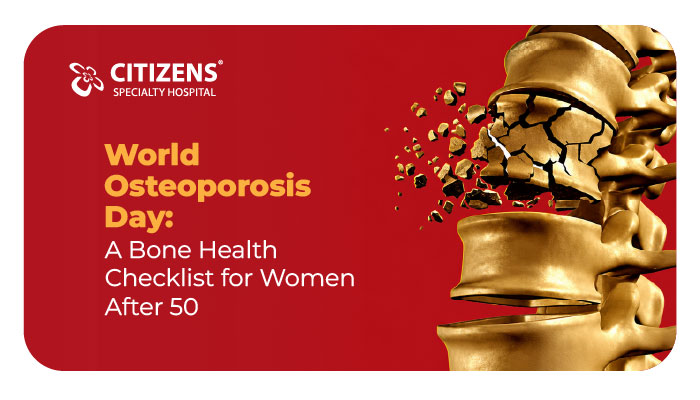
World Osteoporosis Day, observed every year on 20 October, raises awareness about a condition often called the "silent disease." Osteoporosis weakens bones gradually, usually without any symptoms, until a simple fall or even a cough causes a fracture.
Women are particularly at risk. Worldwide, about one in three women over 50 will experience a fracture caused by osteoporosis. In India, studies suggest osteoporosis is common among postmenopausal women and that many are diagnosed only after a fracture.
Why Women Over 50 Are at Higher Risk
Bone is living tissue that is constantly being broken down and rebuilt. Until about the age of 30, the body builds more bone than it loses. After that, bone loss gradually outpaces bone formation.
For women, menopause dramatically speeds up this process. Oestrogen helps protect bone, and when oestrogen levels fall after menopause, bone loss accelerates. Women can lose a significant amount of bone density in the first five to seven years after menopause.
Other factors that increase risk include:
Your Bone Health Checklist
1. Get a Bone Density Test
A DEXA scan (dual-energy X-ray absorptiometry) is the standard test for measuring bone mineral density. It is quick, painless and uses very low radiation.
Results are given as a T-score, which compares your bone density with that of a healthy young adult:
Your doctor may also use a fracture risk assessment tool that combines your bone density with other risk factors to estimate your chances of a fracture over the next ten years.
2. Meet Your Calcium Needs
Calcium is the main mineral in bone. Women over 50 generally need around 1,000 to 1,200 mg of calcium a day, depending on the guideline followed. Food is the best source.
Calcium-rich foods include:
If you can't meet your needs through diet, your doctor may recommend a supplement. Avoid taking high-dose supplements without advice, as excess calcium can have side effects, including a possible increase in kidney stone risk for some people.
3. Check Your Vitamin D Levels
Vitamin D helps the body absorb calcium. Despite plentiful sunshine, vitamin D deficiency is widespread in India because of indoor lifestyles, pollution, clothing and darker skin tones that produce vitamin D more slowly.
4. Eat Enough Protein
Protein is essential for bone structure and muscle strength, which helps prevent falls.
5. Do Weight-Bearing and Strength Exercises
Bones respond to stress by becoming stronger. Exercise also improves balance and muscle strength, lowering the risk of falls.
If you already have osteoporosis, avoid exercises that involve deep forward bending, twisting the spine forcefully or high-impact jumping. A physiotherapist can design a safe programme.
6. Limit Bone-Robbing Habits
7. Review Your Medicines
Some medicines can affect bone health or increase the risk of falls. These include long-term steroids, some anti-seizure medicines, excess thyroid hormone replacement, certain acid-reducing drugs used for long periods, and sedatives that cause dizziness.
8. Make Your Home Fall-Proof
Most osteoporotic fractures happen after a fall. Hip fractures can seriously affect independence.
9. Watch for Warning Signs
Osteoporosis usually has no symptoms, but some signs suggest weakened bones:
Bone Health Is Never "Too Late"
Many women assume that once bone loss begins, nothing can be done. In reality, good nutrition, regular exercise, fall prevention and appropriate treatment can reduce fracture risk at any age. Even women already diagnosed with osteoporosis can live active, independent lives with the right care.
Conclusion
After 50, protecting your bones is one of the most important investments you can make in your future independence. Use this checklist as a starting point: get tested, eat well, stay active, remove fall hazards and talk to your doctor about your personal risk.
This World Osteoporosis Day, don't wait for a fracture to find out about your bone health. Book your test with Citizens Specialty Hospital and get a clear picture of your bone strength today.