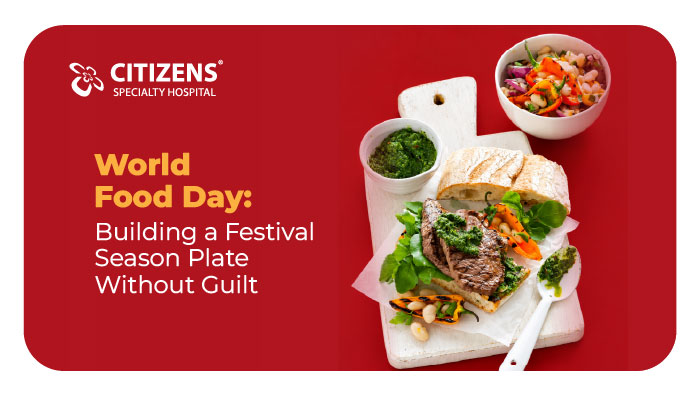
World Food Day: Building a Festival-Season Plate Without Guilt
World Food Day, observed on 16 October, celebrates food and highlights the importance of
nutritious, sustainable diets for everyone. In India, it arrives right in the middle of the festive
season. Navratri, Dussehra, Diwali and a string of weddings and family gatherings bring plates piled
high with sweets, fried snacks and rich curries.
Festive food is deeply tied to culture, memory and togetherness. Nobody should feel guilty about
enjoying a laddoo at Diwali or a plate of puri-chole with family. The problem arises when feasting
becomes a daily habit for several weeks, leading to weight gain, acidity, fluctuating blood sugar and
low energy.
Why Festive Eating Can Go Off Track
Festival seasons in India often last from late September to November. During this time, several
factors combine:
- Frequent sweets gifted and shared at home and work
- Deep-fried snacks such as samosas, chaklis, murukku and pakoras
- Heavy late-night meals at gatherings
- Disrupted sleep and exercise routines
- Fasting followed by overeating
- Social pressure to "have just one more"
Over a few weeks, this can add up to significant extra calories, excess sugar, salt and saturated fat.
For people with diabetes, high blood pressure, heart disease or digestive problems, the impact can
be even more pronounced.
The Balanced Festive Plate: A Simple Formula
A practical way to manage festive meals is to use the plate method. Picture your plate divided into
sections:
- Half the plate: vegetables and salads. Choose sabzis, raita with cucumber, kachumber
salad, sautéed greens or dal-based vegetable dishes.
- A quarter of the plate: protein. Dal, chana, rajma, paneer, curd, eggs, fish or chicken.
- A quarter of the plate: carbohydrates. Rice, roti, puri or pulao, preferably one type rather
than several.
- A small side: the treat. One sweet or one fried item, eaten mindfully.
This approach lets you enjoy traditional dishes while making sure fibre and protein fill you up
before the richer foods.
Smart Strategies Before the Feast
Don't Arrive Starving
Skipping meals to "save room" usually backfires. Arriving very hungry makes it far easier to overeat.
- Eat a light, protein-rich snack before going out, such as roasted chana, a handful of nuts, a
bowl of curd or a boiled egg.
- Drink a glass of water before the meal.
Stay Hydrated
Thirst is often mistaken for hunger. Festive days can be busy, and many people forget to drink
water.
- Keep a water bottle handy during celebrations.
- Choose buttermilk, coconut water, lemon water without added sugar or plain water over
sugary drinks.
Smart Strategies During the Feast
Survey Before You Serve
At buffets and large gatherings, walk around once before serving yourself. Pick your favourites
instead of trying everything.
Start With Vegetables and Protein
Eating fibre and protein first helps slow digestion and can reduce the blood sugar rise from the
carbohydrates that follow.
Use a Smaller Plate
Smaller plates naturally lead to smaller portions without feeling deprived.
Eat Slowly
It takes around 20 minutes for your brain to register fullness. Put your spoon down between bites,
talk to family and enjoy the food.
Pick One Carbohydrate
Festive meals often include rice, puri, naan and pulao together. Choose one or two and skip the
rest.
Watch the Extras
- Go easy on ghee drizzled on top, papads, pickles and fried accompaniments.
- Ask for gravies on the side where possible.
Enjoying Sweets Without Overdoing It
Sweets are the heart of many celebrations. You can still enjoy them:
- Choose your favourite and savour it. One piece eaten slowly is more satisfying than several
eaten absent-mindedly.
- Share portions. Split a sweet with a family member.
- Eat sweets after a meal, not on an empty stomach. This reduces sharp blood sugar spikes.
- Prefer milk- or nut-based sweets in moderation over deep-fried, sugar-soaked options.
- Try healthier homemade versions using dates, figs, jaggery in moderation, roasted nuts
and seeds, and less ghee. Remember that jaggery and honey are still sugar and should be
eaten in limited amounts.
- Don't keep open sweet boxes in sight. Store gifted sweets away or share them with others.
Healthier Festive Food Swaps
Small substitutions make a noticeable difference:
- Baked or air-fried samosas and snacks instead of deep-fried versions
- Roasted makhana, nuts or chana instead of fried namkeen
- Fruit chaat or fresh fruit with a small sweet instead of multiple sweets
- Multigrain or millet rotis instead of maida-based puris
- Grilled paneer tikka instead of paneer in heavy cream gravy
- Unsweetened or lightly sweetened drinks instead of colas and juices
- Hung curd dips instead of mayonnaise-based dips
- Kheer made with less sugar and more nuts or with millets like foxtail millet
Managing Fasting During Navratri and Other Festivals
Fasting is an important spiritual practice for many families. To fast safely:
- Choose nourishing fasting foods such as fruits, curd, paneer, makhana, sabudana in
moderate portions, and kuttu or singhara flour rotis
- Avoid relying only on fried fasting foods like sabudana vadas and potato chips
- Drink plenty of fluids
- Break your fast with a light meal instead of a heavy feast
- People with diabetes, pregnant women, the elderly and those on regular medication should
consult their doctor before fasting
Don't Forget Movement
Physical activity helps balance extra calories and improves digestion and mood.
- Take a 10-to-15-minute walk after big meals
- Dance at celebrations, garba or dandiya nights count as great exercise
- Keep up a basic exercise routine, even if it's shorter than usual
- Choose stairs, walk while shopping and play with children
Mindful Eating: The Key to Guilt-Free Celebrations
Guilt often leads to a cycle of overeating followed by restriction. Instead, practise mindful eating:
- Pay attention to taste, texture and aroma
- Eat when you are hungry and stop when comfortably full
- Enjoy treats without labelling yourself "good" or "bad"
- If you overindulge at one meal, return to normal balanced eating at the next, there is no
need to skip meals or punish yourself
Special Considerations for People With Health Conditions
Some people need extra care during festive season eating:
- Diabetes: Monitor blood sugar more frequently, limit sweets and refined carbohydrates,
and don't skip medications.
- High blood pressure: Watch salt intake from namkeen, pickles, papads and restaurant
food.
- Heart disease or high cholesterol: Limit deep-fried foods and dishes rich in ghee, butter
and cream.
- Acidity and digestive issues: Avoid late, heavy meals and very spicy or oily foods.
- Kidney disease: Follow the specific diet advice from your doctor or dietitian, especially
regarding salt, potassium and fluids.
After the Festive Season: A Gentle Reset
When celebrations end, avoid crash diets or detox fads. Instead:
- Return to regular meal times
- Increase vegetables, fruits and whole grains
- Get back to your usual exercise routine
- Prioritise sleep
- Consider a health check-up to review blood sugar, cholesterol, liver function and blood
pressure
Conclusion
Festivals are meant to be enjoyed. With a well-balanced plate, mindful portions, smart swaps and
regular movement, you can celebrate fully without the guilt or health setbacks. This World Food
Day, let your festive plate honour both tradition and your wellbeing.
If festive indulgence has left you concerned about your blood sugar, cholesterol or weight, a simple
health check can put your mind at ease. Book your test with Citizens Specialty Hospital and start
the new season on a healthy note.