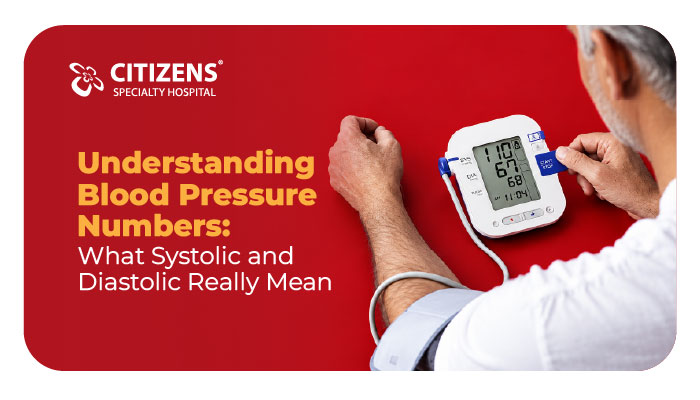
You walk into a clinic for a routine check-up. The nurse wraps the cuff around your arm, the machine beeps, and the reading is surprisingly high. Yet when you check at home, your numbers are perfectly normal. What's going on?
You may be experiencing white coat hypertension, a condition in which blood pressure rises in a medical setting but stays normal elsewhere. It's especially common in first-time patients, people who feel anxious about hospitals, and older adults.
What Is White Coat Hypertension?
White coat hypertension refers to blood pressure readings that are consistently high in a clinic or hospital, usually 140/90 mmHg or above, while readings taken at home or with 24-hour monitoring remain in the normal range.
The name comes from the white coats traditionally worn by doctors. The mere experience of being in a medical setting triggers a stress response that temporarily raises blood pressure.
Studies suggest that a significant proportion of people diagnosed with high blood pressure in clinics may actually have white coat hypertension. Estimates vary, but it may account for around 15 to 30 percent of people with high clinic readings.
Why Does It Happen?
When you feel anxious or nervous, your body activates the "fight or flight" response. Stress hormones such as adrenaline cause:
In a medical setting, several factors can trigger this:
Why First-Time Patients Are More Affected
People visiting a doctor or hospital for the first time are often more anxious. They may be uncertain about what to expect, worried about test results or unfamiliar with the process. Over repeated visits, some people become more relaxed and their clinic readings improve, but others continue to show high readings every time.
Who Is More Likely to Have White Coat Hypertension?
Is White Coat Hypertension Harmless?
This is an important question, and the answer is: not entirely.
For many years, white coat hypertension was considered harmless. However, research now suggests that some people with white coat hypertension may have a somewhat higher risk of developing sustained high blood pressure and cardiovascular problems than people whose readings are normal everywhere.
Possible reasons include:
This doesn't mean everyone with white coat hypertension needs medicines, but it does mean it shouldn't be ignored.
White Coat Hypertension vs Masked Hypertension
There is an opposite condition called masked hypertension. In this case, blood pressure is normal at the clinic but high at home, at work or during daily life. Masked hypertension carries a similar risk to sustained hypertension and can be missed if only clinic readings are used.
This is why doctors increasingly recommend measuring blood pressure outside the clinic as well.
How White Coat Hypertension Is Diagnosed
A single high reading at the clinic isn't enough to diagnose hypertension. Your doctor may recommend one or more of the following.
Repeated Clinic Measurements
Home Blood Pressure Monitoring
Using a validated home blood pressure monitor, you record readings over several days. A typical approach is:
Home readings of below 135/85 mmHg are generally considered normal.
24-Hour Ambulatory Blood Pressure Monitoring (ABPM)
ABPM is often considered the most reliable way to confirm white coat hypertension. You wear a small device that automatically measures your blood pressure every 15 to 30 minutes over 24 hours, including during sleep.
ABPM shows:
How to Get an Accurate Reading at the Clinic
You can help reduce the white coat effect with these steps:
How to Measure Blood Pressure Correctly at Home
Managing White Coat Hypertension
If your doctor confirms white coat hypertension, treatment usually focuses on lifestyle changes and regular monitoring rather than immediate medication. However, your doctor will consider your overall cardiovascular risk. People with diabetes, kidney disease, organ damage or other high-risk conditions may need a different approach.
Lifestyle Measures
Regular Monitoring
Common Myths About White Coat Hypertension
Frequently Asked Questions
Can anxiety alone cause high blood pressure readings?
Yes. Anxiety can temporarily raise blood pressure significantly, which is why a diagnosis of hypertension should be based on multiple readings, preferably including readings outside the clinic.
Should I start blood pressure medicines if I have white coat hypertension?
Not necessarily. Many people with confirmed white coat hypertension are managed with lifestyle changes and monitoring. Your doctor will decide based on your overall health and risk.
Can white coat hypertension turn into true hypertension?
It can. Some people with white coat hypertension develop sustained high blood pressure over time, which is why regular monitoring is important.
Are home BP monitors accurate?
Validated upper-arm monitors are generally accurate when used correctly. Check your device against a clinic reading periodically.
Can caffeine or a cigarette before my appointment affect my reading?
Yes. Caffeine and nicotine can temporarily raise blood pressure. Avoid both for at least 30 minutes before a reading, ideally longer.
Does white coat hypertension happen during pregnancy?
Yes, it can. Because high blood pressure in pregnancy needs careful attention, pregnant women with high clinic readings may be asked to do home monitoring or additional tests to confirm their true blood pressure.
What does it mean if my blood pressure doesn't drop at night?
Normally, blood pressure falls during sleep. When it doesn't, called "non-dipping," it may be linked to a higher cardiovascular risk. This pattern can be detected with 24-hour ambulatory monitoring.
The Bottom Line
A high blood pressure reading at your first clinic visit doesn't automatically mean you have hypertension. White coat hypertension is common, especially among first-time patients. But it isn't always harmless and deserves proper confirmation and follow-up.
The right approach is simple: take multiple readings, monitor at home or with 24-hour ambulatory monitoring, and work with your doctor to understand your true blood pressure. Book your test with Citizens Specialty Hospital for accurate blood pressure assessment and expert guidance.