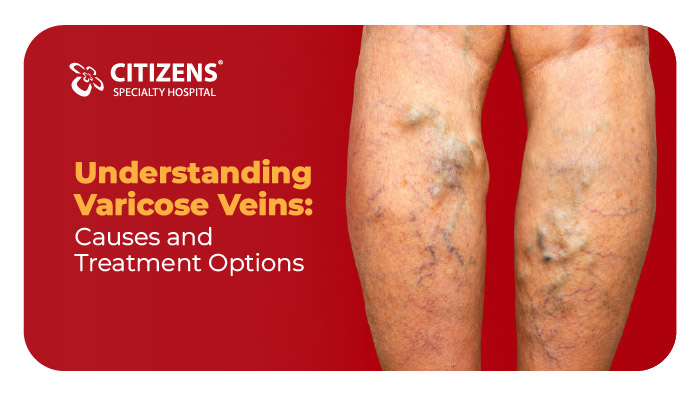
Varicose veins are a common condition affecting millions of people, characterized by swollen, twisted veins usually appearing on the legs and feet. While often considered a cosmetic concern, varicose veins can cause significant discomfort and, in some cases, lead to more serious complications if left untreated.
What Are Varicose Veins?
Varicose veins occur when valves within the veins weaken or become damaged, causing blood to pool rather than flow efficiently back to the heart. This results in veins becoming enlarged, twisted, and visibly bulging beneath the skin, most commonly in the legs due to the pressure of standing and walking.
Common Symptoms
What Causes Varicose Veins?
Risk Factors
Diagnosing Varicose Veins
Diagnosis typically involves a physical examination along with:
Complications of Untreated Varicose Veins
While many cases are mild, untreated varicose veins can sometimes lead to:
Treatment Options for Varicose Veins
Conservative Management
For mild cases, lifestyle changes and conservative measures are often the first line of treatment:
Minimally Invasive Procedures
When conservative measures aren’t enough, several effective minimally invasive treatments are available:
Sclerotherapy
A solution is injected directly into the affected vein, causing it to collapse and fade over time. Best suited for smaller varicose and spider veins.
Endovenous Laser Therapy (EVLT)
Laser energy is used to heat and close off the affected vein from the inside, redirecting blood flow to healthier veins nearby.
Radiofrequency Ablation (RFA)
Similar to laser therapy, this technique uses radiofrequency energy to seal the problematic vein.
VenaSeal (Medical Adhesive Closure)
A medical-grade adhesive is used to seal the vein shut, requiring no heat or tumescent anesthesia.
Surgical Options
For larger or more severe varicose veins, surgical treatment may be recommended:
Recovery After Treatment
Most minimally invasive procedures allow patients to resume normal activities within a day or two, with:
Surgical procedures like vein stripping may require a slightly longer recovery period of one to two weeks before resuming strenuous activities.
Preventing Varicose Veins
While not all varicose veins can be prevented, especially those linked to genetics, these strategies can reduce your risk:
When to See a Doctor
Consult a vascular specialist if you experience:
Conclusion
Varicose veins are a common but manageable condition, ranging from mild cosmetic concerns to more significant circulatory issues. With today’s advanced minimally invasive treatments, most patients can achieve excellent results with minimal downtime. If you’re experiencing symptoms, consulting a vascular specialist can help you explore the most suitable treatment option for your needs.
Frequently Asked Questions
Q: Are varicose veins purely a cosmetic issue? A: Not always. While some cases are cosmetic, varicose veins can cause significant discomfort and, in severe cases, lead to complications like ulcers or blood clots.
Q: Can varicose veins be cured permanently? A: Treatment can effectively close or remove affected veins, but new varicose veins may develop over time, especially if risk factors persist.
Q: Is treatment for varicose veins covered by insurance? A: This depends on whether treatment is deemed medically necessary versus purely cosmetic; check with your insurance provider.
Q: How long do minimally invasive treatments take? A: Most procedures like sclerotherapy or laser therapy take 30–60 minutes and are performed on an outpatient basis.
Q: Can exercise make varicose veins worse? A: Generally, exercise improves circulation and helps manage varicose veins, though high-impact activities may need modification based on symptom severity.