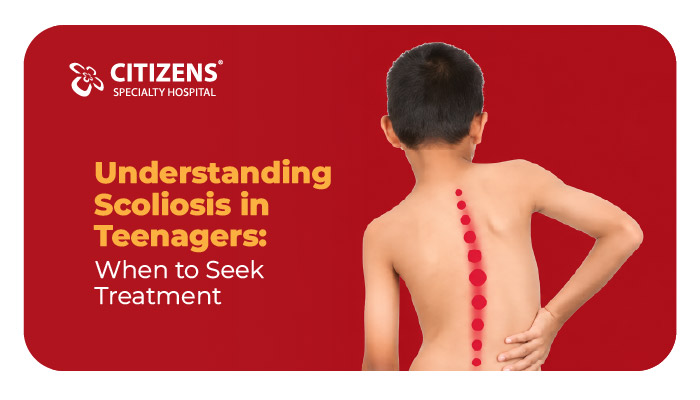
Scoliosis, an abnormal sideways curvature of the spine, is a common condition diagnosed during adolescence, often during a growth spurt. While many cases are mild and require only monitoring, understanding when treatment becomes necessary can help parents make informed decisions about their teenager’s spinal health.
What Is Scoliosis?
Scoliosis is defined as a curvature of the spine greater than 10 degrees, often appearing as a C-shaped or S-shaped curve when viewed from behind. While the spine naturally curves front to back, scoliosis involves an abnormal sideways curve, which can also cause the spine to rotate.
Types of Scoliosis in Teenagers
Adolescent idiopathic scoliosis accounts for most cases diagnosed during the teenage years.
Recognizing the Signs of Scoliosis
Parents and caregivers should watch for:
Since scoliosis often develops gradually and may not cause pain, regular screening during routine physical exams is important for early detection.
How Is Scoliosis Diagnosed?
Understanding Curve Severity
Scoliosis is generally classified by the degree of curvature:
When Does Scoliosis Require Treatment?
Several factors influence whether treatment is necessary:
Treatment Options for Scoliosis
Observation
For mild curves, especially in teenagers who have completed most of their growth, regular monitoring through periodic X-rays may be all that’s needed, since many mild curves don’t progress significantly.
Bracing
For moderate curves in growing teenagers, bracing can help prevent further progression:
Physical Therapy
Specific scoliosis-focused exercise programs may help improve posture, core strength, and overall function, often used alongside bracing or observation.
Surgical Treatment
For severe or rapidly progressing curves, spinal fusion surgery may be recommended:
What to Expect With Bracing
What to Expect With Scoliosis Surgery
Supporting Your Teenager Emotionally
A scoliosis diagnosis can affect a teenager’s self-esteem and body image. Consider:
Long-Term Outlook
Most teenagers with scoliosis, especially mild to moderate cases, go on to lead completely normal lives with proper monitoring and treatment. Even those requiring surgery typically achieve excellent long-term outcomes with improved spinal alignment and function.
Conclusion
Scoliosis is a common condition among teenagers that, in most cases, can be effectively managed through observation, bracing, or surgery when necessary. Early detection through regular screening and close monitoring during growth allows for timely intervention, helping ensure the best possible outcomes for your teenager’s spinal health and overall well-being.
Frequently Asked Questions
Q: Does scoliosis cause pain in teenagers? A: Adolescent idiopathic scoliosis typically doesn’t cause significant pain; if your teenager experiences notable back pain, further evaluation may be needed to rule out other causes.
Q: Can scoliosis be corrected without surgery? A: Mild curves may not require any active treatment, and bracing can prevent progression in moderate curves, but bracing does not typically reverse existing curvature.
Q: Will my teenager need surgery for scoliosis? A: Only a minority of scoliosis cases require surgery, typically reserved for severe or progressively worsening curves.
Q: Can teenagers with scoliosis play sports? A: Yes, most teenagers with scoliosis, including those wearing braces, can participate in sports and physical activities with appropriate guidance from their care team.
Q: How often should scoliosis be monitored? A: This depends on curve severity and skeletal maturity, but typically every four to six months during active growth periods.