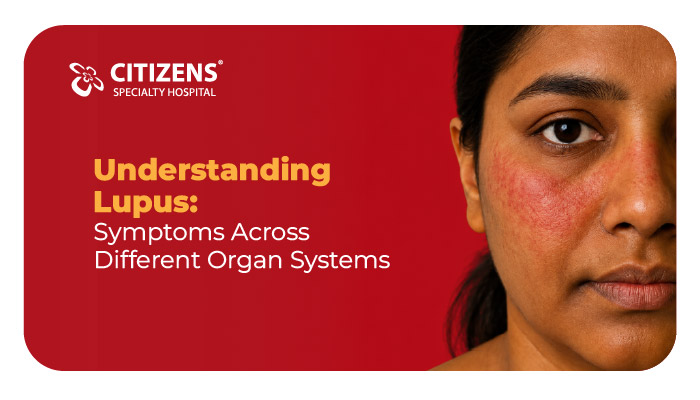
Understanding Lupus: Symptoms Across Different Organ Systems
Lupus is a complex autoimmune disease that can affect nearly every organ
system in the body, making it one of the most challenging conditions to
diagnose and manage. Because symptoms vary so widely between individuals,
understanding how lupus can present across different body systems is essential
for early recognition and effective treatment.
What Is Lupus?
Lupus, medically known as systemic lupus erythematosus (SLE), is an autoimmune
disease in which the immune system mistakenly attacks healthy tissue
throughout the body. This can cause widespread inflammation affecting the
skin, joints, kidneys, heart, lungs, brain, and blood cells, among other
systems.
Who Is at Risk for Lupus?
-
Gender – Lupus is significantly more common in women,
particularly during childbearing years
- Age – Most commonly diagnosed between ages 15 and 45
-
Ethnicity – Higher prevalence and often more severe disease
in African American, Hispanic, Asian, and Native American populations
- Family history – Genetic predisposition plays a role
-
Environmental triggers – Sun exposure, certain infections,
and stress can trigger flares in susceptible individuals
Lupus Symptoms by Organ System
Skin
- Butterfly-shaped rash across the cheeks and nose (malar rash)
- Discoid lesions – Round, scaly patches that can cause scarring
-
Photosensitivity – Skin reactions triggered or worsened by sun exposure
- Hair loss, sometimes in patches
Joints and Muscles
-
Joint pain and stiffness, often affecting multiple joints symmetrically
- Swelling in the hands, wrists, and knees
- Muscle aches and weakness
-
Unlike rheumatoid arthritis, lupus arthritis typically causes less joint
erosion
Kidneys (Lupus Nephritis)
- Swelling in the legs, ankles, or around the eyes
- Foamy or dark urine
- High blood pressure
-
In severe cases, progressive kidney damage requires aggressive treatment
Cardiovascular System
- Inflammation of the lining around the heart (pericarditis)
- Increased risk of atherosclerosis and heart disease
- Chest pain, particularly with breathing (suggesting pericarditis)
Lungs
-
Inflammation of the lining around the lungs (pleuritis), causing chest pain
with breathing
- Shortness of breath
- In rare cases, more serious lung involvement
Nervous System
- Headaches, sometimes severe
- Cognitive difficulties, often described as “lupus fog”
- Mood changes, including depression and anxiety
- In severe cases, seizures or stroke-like symptoms
Blood
- Anemia
- Low white blood cells count, increasing infection risk
- Low platelet counts, increasing bleeding risk
-
Increased risk of blood clots, particularly with certain lupus-related
antibodies
General/Systemic Symptoms
-
Persistent fatigue, often profound and disproportionate to activity level
- Low-grade fever
- Unexplained weight changes
-
Raynaud’s phenomenon – Fingers and toes turning white or blue in response to
cold or stress
Why Lupus Is Difficult to Diagnose
Because lupus symptoms overlap with many other conditions and can appear
gradually or come and go unpredictably, diagnosis often takes time. There’s no
single definitive test for lupus; instead, diagnosis relies on a combination
of:
- Clinical symptoms across multiple organ systems
-
Blood tests – Including antinuclear antibody (ANA) testing,
though a positive ANA alone doesn’t confirm lupus
-
Additional specific antibody tests – Such as anti-dsDNA and
anti-Smith antibodies
- Urine tests – To assess kidney involvement
-
Imaging or biopsy – In some cases, to evaluate specific
organ involvement
Types of Lupus
-
Systemic lupus erythematosus (SLE) – The most common and
potentially serious form, affecting multiple organ systems
- Cutaneous lupus – Primarily affects the skin
-
Drug-induced lupus – Triggered by certain medications,
typically resolving after stopping the medication
-
Neonatal lupus – A rare condition affecting infants born to
mothers with certain lupus-related antibodies
Treatment Approaches for Lupus
Treatment is tailored to which organ systems are affected and disease
severity:
-
Antimalarial medications – Such as hydroxychloroquine,
often used as a foundational treatment for skin and joint symptoms
- NSAIDs – For joint pain and mild inflammation
-
Corticosteroids – To control inflammation during flares,
particularly for more severe organ involvement
-
Immunosuppressive medications – For significant organ
involvement, such as lupus nephritis
-
Biologic therapies – Newer targeted treatments for moderate
to severe lupus
Managing Lupus Flares
- Recognize early warning signs of a flare, which vary by individual
- Avoid known triggers, such as excessive sun exposure
- Maintain regular follow-up with your rheumatologist
- Take medications consistently, even during symptom-free periods
- Manage stress through relaxation techniques and adequate rest
Lifestyle Strategies for Living with Lupus
-
Use sun protection, including sunscreen and protective clothing, to prevent
flares
- Maintain a balanced diet and regular, moderate exercise as tolerated
- Get adequate rest, as fatigue is a hallmark symptom
-
Build a support network, including family, friends, and lupus support groups
-
Communicate openly with your healthcare team about new or worsening symptoms
When to Seek Immediate Medical Attention
Certain lupus symptoms require urgent evaluation, including:
- Severe chest pain or difficulty breathing
-
Signs of significant kidney involvement, such as severe swelling or
dramatically reduced urination
- Neurological symptoms, such as seizures or sudden confusion
-
Signs of severe infection, given increased susceptibility with
immunosuppressive treatment
Conclusion
Lupus is a complex, multi-system autoimmune disease that can present
differently in every patient, making awareness of its wide-ranging symptoms
crucial for early diagnosis. With advances in treatment and a comprehensive
care approach, most people with lupus can effectively manage their symptoms,
minimize flares, and maintain a good quality of life.
Frequently Asked Questions
Q: Is lupus a fatal disease? A: With modern treatment, most
people with lupus live normal or near-normal lifespans, though severe organ
involvement can be serious if not properly managed.
Q: Can lupus go into remission? A: Yes, many people with
lupus experience periods of remission where symptoms are minimal or absent,
though ongoing monitoring is typically still recommended.
Q: Is lupus contagious? A: No, lupus is an autoimmune
condition and cannot be transmitted from person to person.
Q: Can men get lupus? A: Yes, though lupus is far more
common in women, men can also develop the condition, sometimes with more
severe symptoms.
Q: Does lupus affect pregnancy? A: Lupus can increase
certain pregnancy risks, making close monitoring by both a rheumatologist and
obstetrician essential during pregnancy.