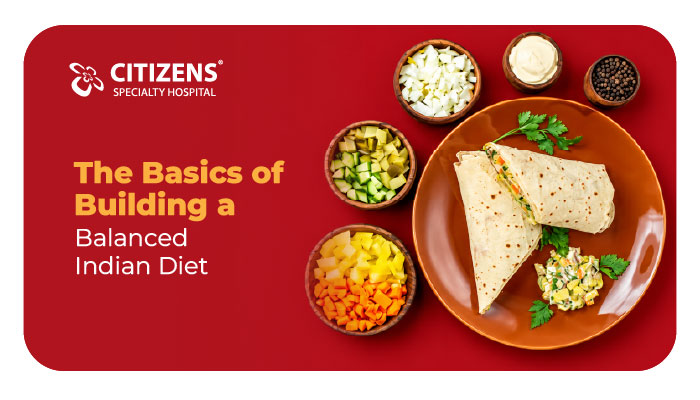
The Basics of Building a Balanced Indian Diet
Indian cuisine is one of the most diverse in the world. From the millet-based meals of Karnataka
and Rajasthan to rice and fish in Bengal and Kerala, wheat-based rotis in the north and lentil-rich
dishes across the country, traditional Indian food can be naturally nutritious and balanced.
Yet modern eating habits have shifted this balance. Larger portions of refined rice and wheat, more
fried snacks, sugary drinks, packaged foods and fewer vegetables have contributed to rising rates
of obesity, diabetes, heart disease and nutritional deficiencies across India.
What Does a Balanced Diet Mean?
A balanced diet provides the right amounts of nutrients your body needs to function well:
- Carbohydrates for energy
- Protein for growth, repair and muscle strength
- Healthy fats for hormones, brain health and absorbing certain vitamins
- Fibre for digestion and blood sugar control
- Vitamins and minerals for immunity, bones, blood and overall health
- Water for hydration
Balance means getting these nutrients in the right proportions, not eliminating any food group
entirely.
Where Many Indian Diets Go Off Balance
- Too many refined carbohydrates: Large portions of white rice, maida-based foods and
sugar
- Too little protein: Many Indians, especially vegetarians, don't get enough protein
- Not enough vegetables and fruits
- Excess oil and ghee , often reused for frying
- High salt intake from pickles, papads, namkeen and processed foods
- Frequent sugary drinks and sweets
- Irregular meal timings and late dinners
The Balanced Indian Plate
The Indian Council of Medical Research–National Institute of Nutrition (ICMR-NIN) has published
dietary guidelines for Indians that recommend a plate rich in vegetables, whole grains, pulses and
moderate amounts of dairy, nuts and oils. A simple way to apply this at home:
- Half the plate: Vegetables and fruits, such as sabzi, salad, greens and seasonal fruit
- A quarter of the plate: Whole grains and millets, such as roti, brown or hand-pounded rice,
ragi, jowar, bajra or foxtail millet
- A quarter of the plate: Protein, such as dal, legumes, paneer, curd, eggs, fish or chicken
- Small amounts: Healthy fats from nuts, seeds and cooking oils
- A side of dairy: Curd, buttermilk or milk
Building Blocks of a Balanced Indian Diet
1. Choose Whole Grains and Millets
Whole grains contain more fibre, vitamins and minerals than refined grains, and they help keep
blood sugar steady.
- Whole wheat atta instead of maida
- Brown rice, red rice or hand-pounded rice in place of polished rice some of the time
- Millets such as ragi, jowar, bajra, foxtail and little millet
- Oats, dalia and whole grain poha
Try mixing grains, for example, adding millet flour to wheat atta for rotis.
2. Make Protein a Priority
Protein helps build and repair tissues, supports immunity and keeps you full longer.
Vegetarian sources:
- Dals and lentils, such as moong, masoor, toor and urad
- Legumes, such as rajma, chana, lobia and soybeans
- Paneer, tofu and curd
- Sprouts
- Nuts and seeds
Non-vegetarian sources:
- Eggs
- Fish
- Chicken
- Lean meat in moderation
Combining cereals and pulses, such as dal-rice, khichdi, idli-sambar or roti-rajma, provides a better
mix of amino acids.
3. Fill Up on Vegetables
Vegetables provide fibre, vitamins, minerals and antioxidants.
- Include a variety of colours: greens, orange, red, purple and white vegetables
- Eat green leafy vegetables like spinach, methi, amaranth, drumstick leaves and mustard
greens regularly
- Include seasonal and local vegetables
- Add raw salads, kachumber or raitas to meals
- Avoid overcooking vegetables to preserve nutrients
4. Enjoy Fruits Daily
- Choose whole fruits over juices for more fibre
- Eat seasonal fruits such as guava, papaya, oranges, apples, bananas and mangoes in
moderation
- Guava and amla are excellent sources of vitamin C
5. Include Dairy or Alternatives
Dairy provides calcium, protein and vitamin B12.
- Curd, buttermilk, milk and paneer
- Choose lower-fat options if you have high cholesterol or are managing weight
- Ragi and sesame seeds are good non-dairy calcium sources
6. Use Healthy Fats Wisely
Fats are essential, but the type and amount matter.
- Use a mix of oils such as mustard, groundnut, sesame, rice bran and olive oil
- Use ghee in small amounts
- Avoid reusing oil for frying
- Limit vanaspati, fried foods and bakery items that may contain trans fats
- Include nuts and seeds, such as almonds, walnuts, flaxseeds and chia seeds
7. Cut Down on Salt, Sugar and Processed Foods
- Keep salt intake to less than 5 grams a day, about one teaspoon
- Limit pickles, papads, sauces and salty snacks
- Reduce sugar in tea and coffee gradually
- Choose fresh foods over packaged and ready-to-eat options
- Read food labels for sugar, salt and fat content
8. Stay Hydrated
- Drink water regularly through the day
- Include buttermilk, coconut water, nimbu pani without much sugar and herbal teas
- Limit sugary drinks, packaged juices and colas
Sample Balanced Indian Meal Plan
This is a general example. Portions and choices should be adjusted to your age, activity level and
health needs.
Breakfast
- Vegetable poha with peanuts, or
- Moong dal chilla with mint chutney, or
- Idli with sambar and a small serving of coconut chutney, or
- Ragi dosa with vegetable sambar
- A fruit or a glass of milk
Mid-Morning
- A seasonal fruit, or
- A handful of nuts, or
- Buttermilk
Lunch
- Two rotis or one cup of rice, preferably whole grain or millet-based
- One bowl of dal or rajma
- A large serving of vegetable sabzi
- Salad
- A bowl of curd
Evening Snack
- Roasted chana or makhana, or
- Sprouts chaat, or
- A small bowl of upma with vegetables
- Tea or coffee with less sugar
Dinner
- Vegetable khichdi with curd, or
- Roti with paneer or chicken curry and sabzi, or
- Millet-based meal with dal and vegetables
- Try to eat dinner at least two to three hours before bed
Tips for Special Needs
- Diabetes: Focus on fibre-rich whole grains, protein with every meal, controlled
carbohydrate portions and fewer sweets.
- High blood pressure: Reduce salt, eat more fruits and vegetables and limit processed foods.
- Weight management: Control portions, reduce fried foods and sugary drinks, and increase
vegetables and protein.
- Pregnancy: Increase protein, iron, folate and calcium, as advised by your doctor.
- Older adults: Ensure adequate protein, calcium, vitamin D and B12.
- Vegetarians and vegans: Pay attention to protein, vitamin B12, iron and calcium.
Common Nutritional Deficiencies in India
- Iron deficiency anaemia, especially in women and children
- Vitamin D deficiency
- Vitamin B12 deficiency, particularly in vegetarians
- Calcium deficiency
- Protein deficiency
If you experience persistent fatigue, weakness, hair fall or other symptoms, blood tests can help
identify deficiencies.
Conclusion
A balanced Indian diet doesn't require giving up the foods you love. It simply means filling half your
plate with vegetables, choosing whole grains, prioritising protein, using fats wisely and limiting salt,
sugar and processed foods. Small, consistent changes lead to lasting health benefits.
If you'd like to understand your nutritional needs better or check for deficiencies, start with a
health assessment. Book your test with Citizens Specialty Hospital for a complete nutrition and
wellness check.