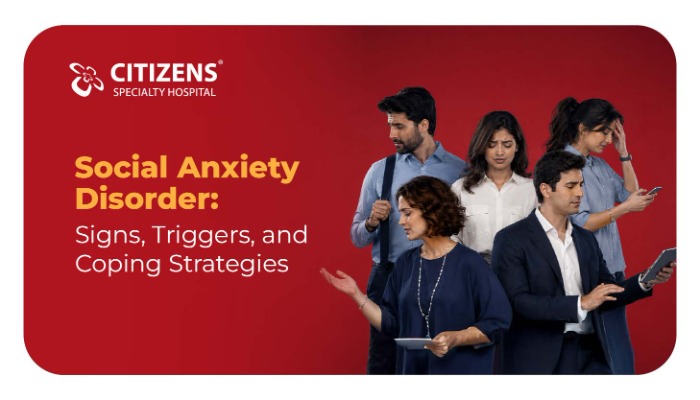
Feeling nervous before speaking in public, attending a social gathering, or meeting new people is a common human experience. However, for some individuals, social situations can trigger intense fear, overwhelming distress, and persistent worry that interfere with everyday life. This condition is known as Social Anxiety Disorder.
Social Anxiety Disorder (SAD), also referred to as social phobia, is more than just shyness. It is a mental health condition characterized by a significant and persistent fear of being judged, embarrassed, humiliated, or negatively evaluated by others. People living with social anxiety often avoid social interactions, which can affect their personal relationships, academic performance, and professional growth.
What Is Social Anxiety Disorder?
Social Anxiety Disorder is a chronic mental health condition in which social interactions cause intense anxiety and fear. Individuals with SAD may worry excessively about saying or doing something embarrassing, appearing anxious in front of others, or being criticized.
The anxiety experienced is often disproportionate to the actual situation and may persist for months or even years if left untreated.
Common situations that may provoke anxiety include:
The condition can affect people of all ages, though symptoms often begin during adolescence or early adulthood.
Signs and Symptoms of Social Anxiety Disorder
The symptoms of Social Anxiety Disorder can be emotional, physical, behavioral, and cognitive. Recognizing these signs early can help individuals seek timely intervention.
1. Emotional Symptoms
People with social anxiety frequently experience intense emotional distress in social settings.
Common emotional symptoms include:
Many individuals replay conversations repeatedly in their minds, worrying that they may have said something inappropriate.
2. Physical Symptoms
Social anxiety often manifests through noticeable physical symptoms, which may further increase embarrassment and fear.
Common physical signs include:
In severe cases, individuals may experience panic attacks during social interactions.
3.Behavioral Symptoms
Behavioral changes often develop as people attempt to avoid situations that trigger anxiety.
Examples include:
Avoidance may provide temporary relief but often reinforces anxiety over time.
4. Cognitive Symptoms
Negative thinking patterns play a significant role in Social Anxiety Disorder.
Individuals may:
Common Triggers of Social Anxiety Disorder
Social Anxiety Disorder can be triggered by specific situations or experiences. While triggers vary among individuals, several situations are commonly associated with increased anxiety.
Public Speaking
Public speaking is one of the most frequently reported triggers. Presentations, speeches, or even speaking during meetings can provoke significant anxiety.
Meeting New People
Introducing oneself, attending networking events, or starting conversations with strangers can feel extremely intimidating.
Performance Situations
Activities involving observation or evaluation by others may trigger anxiety, including:
Social Gatherings
Parties, weddings, family events, and other gatherings often create distress due to fears of awkwardness or negative judgment.
Eating or Drinking in Public
Some individuals fear being watched while eating or worry about spilling food or appearing awkward.
Using Public Facilities
Speaking in public restrooms, signing documents, or performing tasks while others observe can be anxiety-provoking.
What Causes Social Anxiety Disorder?
There is no single cause of Social Anxiety Disorder. Instead, multiple factors often contribute to its development.
1. Genetic Factors
Research suggests that anxiety disorders can run in families. Individuals with close relatives who have anxiety disorders may be at a higher risk.
2. Brain Structure and Function
Certain areas of the brain, particularly the amygdala, play a role in processing fear responses. Increased activity in these regions may contribute to heightened anxiety.
3. Environmental Influences
Life experiences can significantly impact mental health.
Potential environmental contributors include:
4. Learned Behaviors
Children may develop anxious behaviors by observing parents or caregivers who demonstrate excessive fear or avoidance in social situations.
Impact of Social Anxiety Disorder on Daily Life
Untreated Social Anxiety Disorder can affect multiple areas of life.
Academic Performance
Students may avoid participating in class discussions, asking questions, or presenting assignments, potentially affecting grades and learning outcomes.
Career Growth
Employees may avoid leadership opportunities, presentations, networking events, or interviews, limiting professional advancement.
Relationships
Fear of social interaction may make it difficult to form and maintain friendships or romantic relationships, leading to isolation.
Mental Health
Persistent social anxiety increases the risk of other mental health conditions, including:
Early treatment can significantly reduce these risks.
Effective Coping Strategies for Social Anxiety Disorder
While professional treatment is often beneficial, several self-help strategies can support symptom management.
1. Practice Gradual Exposure
Avoidance strengthens anxiety. Gradually facing feared situations in small, manageable steps can help reduce fear over time.
For example:
Repeated exposure helps build confidence.
2. Challenge Negative Thoughts
Many anxious thoughts are based on assumptions rather than facts.
Ask yourself:
Replacing catastrophic thinking with balanced perspectives can reduce anxiety.
3. Learn Relaxation Techniques
Stress-management practices can help regulate anxiety symptoms.
Helpful techniques include:
Practicing these regularly may improve emotional resilience.
4. Improve Social Skills Gradually
Social skills can be strengthened through practice.
Suggestions include:
Small successes often increase self-confidence.
5. Maintain a Healthy Lifestyle
Lifestyle habits can significantly influence anxiety levels.
Recommended habits include:
Regular physical activity has been shown to improve mood and reduce anxiety symptoms.
6. Keep an Anxiety Journal
Recording thoughts, emotions, and triggers can help identify patterns and monitor progress.
Include details such as:
This information can also be useful during therapy sessions.
Professional Treatment Options
Seeking professional help is important when social anxiety interferes with daily functioning.
Common treatment approaches include:
Cognitive Behavioral Therapy (CBT)
CBT is considered one of the most effective treatments for Social Anxiety Disorder. It helps individuals identify negative thought patterns, challenge distorted beliefs, and develop healthier coping mechanisms.
Exposure Therapy
Exposure therapy gradually introduces feared social situations in a structured and supportive manner, reducing anxiety responses over time.
Medication
Healthcare professionals may prescribe medications when symptoms are moderate to severe.
Common options include:
Medication decisions should always be made under medical supervision.
Support Groups
Peer support groups provide opportunities to connect with others experiencing similar challenges, reducing feelings of isolation.
When to Seek Help
Professional support should be considered if:
Conclusion
Social Anxiety Disorder is a common yet often misunderstood mental health condition that extends far beyond ordinary shyness. Persistent fear of judgment, embarrassment, or rejection can affect nearly every aspect of life, from relationships and education to career growth and emotional well-being.
Recognizing the signs, understanding potential triggers, and adopting effective coping strategies are essential steps toward managing symptoms. Whether through self-help techniques, lifestyle changes, therapy, or professional treatment, recovery is possible. Seeking support early can empower individuals to build confidence, strengthen social connections, and participate more fully in everyday life.