Obesity is a growing global health concern that affects millions of people and increases the risk of serious medical conditions such as diabetes, high blood pressure, heart disease, sleep apnea, and joint problems. For individuals struggling with severe obesity and unable to achieve sustainable weight loss through diet and exercise alone, bariatric surgery offers an effective long-term solution.
Among the various bariatric procedures available, Sleeve Gastrectomy and Gastric Bypass are two of the most performed weight-loss surgeries worldwide. Both procedures help patients lose significant amounts of weight and improve obesity- related health conditions. However, they differ in terms of surgical technique, benefits, risks, and long-term outcomes.
Understanding Bariatric Surgery
Bariatric surgery refers to surgical procedures designed to promote weight loss by altering the digestive system. These surgeries work by:
The ultimate goal is not only weight reduction but also improved overall health and quality of life.
What Is Sleeve Gastrectomy?
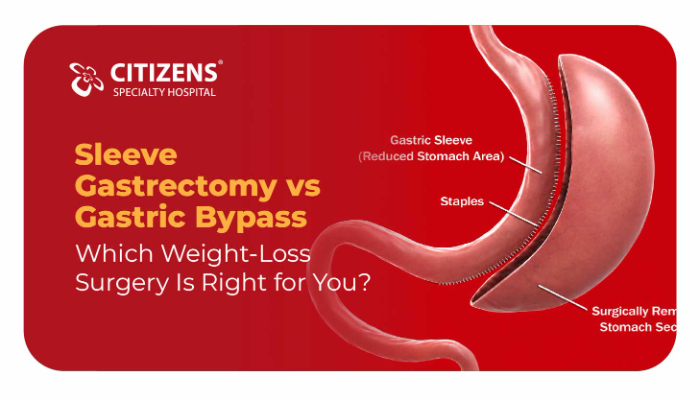
Sleeve Gastrectomy, also known as Vertical Sleeve Gastrectomy (VSG), involves removing approximately 75–80% of the stomach, leaving behind a narrow, tube-shaped "sleeve."
The smaller stomach restricts food intake, allowing patients to feel full after eating small portions.
How Sleeve Gastrectomy Works
The procedure promotes weight loss in two ways:
1. Restriction
Since the stomach capacity is significantly reduced, patients eat less food.
2. Hormonal Changes
The portion of the stomach responsible for producing ghrelin, commonly called the "hunger hormone," is largely removed. This helps reduce appetite and cravings.
Key Features of Sleeve Gastrectomy
What Is Gastric Bypass?
Gastric Bypass, commonly known as Roux-en-Y Gastric Bypass (RYGB), is a more complex bariatric procedure.
During surgery, the surgeon:
As a result, food bypasses most of the stomach and the first segment of the small intestine.
How Gastric Bypass Works
The procedure supports weight loss through:
1. Restriction
The new stomach pouch can hold only a small amount of food.
2. Malabsorption
Because food bypasses part of the intestine, fewer calories and nutrients are absorbed.
3. Metabolic Changes
Hormonal alterations significantly improve insulin sensitivity and blood sugar regulation.
Key Features of Gastric Bypass
Sleeve Gastrectomy vs Gastric Bypass: Major Differences
| Feature | Sleeve Gastrectomy | Gastric Bypass |
|---|---|---|
| Surgical Complexity | Simpler | More complex |
| Stomach Size | 75–80% removed | Small pouch created |
| Intestinal Rerouting | No | Yes |
| Calorie Absorption | Normal | Reduced |
| Weight Loss | Significant | Often slightly greater |
| Nutritional Deficiency Risk | Lower | Higher |
| Reversibility | Irreversible | Difficult but potentially reversible |
| Surgery Duration | Shorter | Longer |
| GERD/Reflux | May worsen reflux | Often improves reflux |
Weight Loss Results: Which Is More Effective?
Both surgeries result in substantial and sustained weight loss.
Sleeve Gastrectomy
Patients typically lose:
Gastric Bypass
Patients generally lose:
While gastric bypass may produce slightly greater weight loss, long-term success depends heavily on:
Improvement in Obesity-Related Conditions
One of the most significant benefits of bariatric surgery is the improvement or resolution of obesity-related diseases.
Type 2 Diabetes
Gastric bypass often produces faster and more dramatic improvements in diabetes due to hormonal changes and altered nutrient absorption.
Many patients experience:
Sleeve gastrectomy also improves diabetes significantly but may be slightly less effective in severe diabetic patients.
High Blood Pressure
Both procedures help lower blood pressure and reduce cardiovascular risks.
Sleep Apnea
Weight reduction after either surgery often improves or resolves obstructive sleep apnea.
Joint Pain
Reduced body weight decreases stress on joints, improving mobility and quality of life.
Advantages of Sleeve Gastrectomy
Sleeve gastrectomy has become increasingly popular because of its simplicity and effectiveness.
Benefits Include:
Simpler Surgical Procedure
The surgery is technically less complex because the intestines are not altered.
Lower Risk of Nutritional Deficiencies
Since food follows the normal digestive pathway, nutrient absorption remains relatively intact.
Shorter Operation Time
The procedure generally takes less time and may involve a shorter hospital stay.
No Foreign Objects
Unlike gastric banding, no implants or devices are used.
Reduced Hunger
Lower ghrelin levels can significantly decrease appetite.
Potential Drawbacks of Sleeve Gastrectomy
Despite its benefits, sleeve gastrectomy has some limitations.
Irreversible Procedure
The removed portion of the stomach cannot be restored.
Risk of Acid Reflux
Patients with pre-existing gastroesophageal reflux disease (GERD) may experience worsening symptoms.
Slightly Lower Weight Loss
Weight loss outcomes may be somewhat lower compared to gastric bypass in certain patients.
Possibility of Weight Regain
As with all bariatric procedures, lifestyle adherence is essential to maintain results.
Advantages of Gastric Bypass
Gastric bypass has been performed for decades and remains the gold standard for many patients.
Benefits Include:
Greater Average Weight Loss
Patients often achieve more substantial weight reduction.
Excellent Diabetes Control
Gastric bypass is particularly beneficial for patients with poorly controlled type 2 diabetes.
Improvement in GERD
Many individuals with severe acid reflux experience symptom relief.
Long-Term Success
Numerous studies demonstrate durable long-term weight loss outcomes.
Potential Drawbacks of Gastric Bypass
More Complex Surgery
The procedure involves stomach reduction and intestinal rerouting, making it technically more demanding.
Increased Risk of Nutritional Deficiencies
Patients may develop deficiencies in:
Lifelong supplementation is usually necessary.
Dumping Syndrome
Rapid movement of food into the intestine may cause:
This often occurs after consuming sugary foods.
Longer Recovery
Patients may require a slightly longer recovery period compared to sleeve gastrectomy.
Who May Be a Better Candidate for Sleeve Gastrectomy?
Sleeve gastrectomy may be suitable for individuals who:
It is also commonly recommended for patients requiring a staged approach before further treatment.
Who May Be a Better Candidate for Gastric Bypass?
Gastric bypass may be recommended for individuals who:
Your surgeon will assess your overall health, medical history, and personal goals before recommending the most appropriate procedure.
Recovery After Bariatric Surgery
Recovery varies between individuals, but most patients can expect:
First Few Weeks
Four to Six Weeks
Most patients return to normal daily activities and work.
Long-Term Care
Successful outcomes require:
Conclusion
Both sleeve gastrectomy and gastric bypass are highly effective weight-loss procedures that can dramatically improve health, mobility, and quality of life. Neither surgery is universally "better"—the ideal choice depends on individual health status, weight-loss goals, existing medical conditions, and lifestyle factors.
Sleeve gastrectomy offers a simpler procedure with fewer nutritional concerns, while gastric bypass may provide greater weight loss and superior improvement in diabetes and acid reflux.