If your doctor has recommended a sleep study, you may be wondering what the process involves and whether it will help diagnose your symptoms. Polysomnography, commonly known as sleep study, is the gold-standard diagnostic test for identifying sleep disorders such as sleep apnea, restless leg syndrome, and narcolepsy.
What Is Polysomnography?
Polysomnography is a comprehensive test that records multiple body functions during sleep, including brain waves, oxygen levels, heart rate, breathing patterns, and eye and leg movements. This detailed data helps sleep specialists identify abnormalities that disrupt restful sleep.
Why Might You Need a Sleep Study?
Your doctor may recommend polysomnography if you experience:
Types of Sleep Studies
In-Lab Polysomnography
This is the most comprehensive type of sleep study, conducted overnight in a sleep center under the supervision of trained technologists.
Home Sleep Apnea Testing (HSAT)
A simplified version of the test conducted at home, primarily used to diagnose obstructive sleep apnea in patients with a high likelihood of the condition and no other complicating health issues.
Multiple Sleep Latency Test (MSLT)
Performed during the day following an overnight study, this test measures how quickly you fall asleep in a quiet environment, helping diagnose conditions like narcolepsy.
Preparing for Your Sleep Study
To ensure accurate results, follow these preparation guidelines:
What Happens During the Test
Arrival and Setup
You’ll typically arrive at the sleep center in the evening, a few hours before your usual bedtime. A technologist will show you to a private, comfortable room designed to resemble a hotel room rather than a clinical space.
Electrode and Sensor Placement
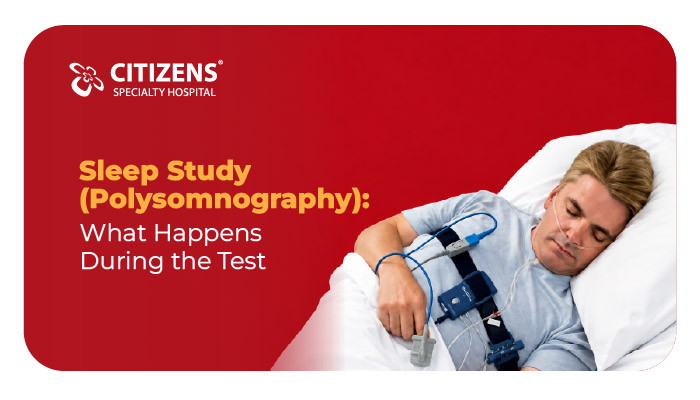
The technologist will attach several sensors to your body using adhesive patches and a small amount of paste, including:
While this may sound like a lot, the sensors are lightweight and generally well-tolerated. Most patients report only mild discomfort during setup.
During the Night
Once wired up, you’ll be asked to go to sleep as you normally would. A technologist monitors your data from another room throughout the night via video and physiological signals, ready to assist if you need to use the restroom or if any equipment needs adjustment.
You don’t need to achieve a full night’s normal sleep for the test to be useful—even partial sleep provides valuable diagnostic data.
Morning Wake-Up
You’ll typically be woken up at a set time, sensors will be removed, and you can go about your day as normal. Some grogginess or mild skin irritation from adhesives is common but temporary.
What Happens After the Test
The recorded data is analyzed by a sleep specialist, who scores various events such as apneas (pauses in breathing), hypopneas (shallow breathing), oxygen desaturations, and abnormal movements. Results typically take 1–2 weeks and are discussed at a follow-up appointment.
Key Metrics Analyzed
Common Conditions Diagnosed Through Sleep Studies
What Happens If Sleep Apnea Is Diagnosed
If your study reveals sleep apnea, treatment options may include:
Tips for a Successful Sleep Study
Conclusion
A sleep study is a safe, non-invasive, and highly informative test that provides critical insights into your sleep health. Whether you’re dealing with loud snoring, excessive daytime fatigue, or suspected sleep apnea, polysomnography can pinpoint the underlying cause and guide effective treatment, helping you achieve better, more restorative sleep.
Frequently Asked Questions
Q: Is a sleep study painful? A: No, polysomnography is painless. You may feel mild discomfort from the sensors, but there are no needles or invasive procedures involved.
Q: What if I can’t fall asleep during the test? A: This is a common concern, but most people do sleep enough for the technologists to gather sufficient diagnostic data, even if it’s not a full night’s rest.
Q: Can I take my sleep medication during the study? A: This depends on your specific situation—discuss your regular medications with your doctor before the test.
Q: How accurate are home sleep tests compared to in-lab studies? A: Home tests are effective for diagnosing moderate to severe obstructive sleep apnea in appropriate candidates but may be less comprehensive than in-lab studies for complex cases.
Q: How soon will I get my results? A: Results are typically available within one to two weeks, followed by a discussion with your doctor about next steps.