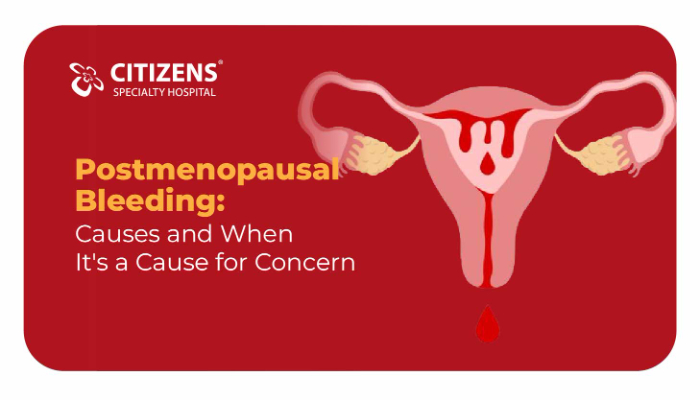
Menopause marks a significant milestone in a woman's life, signaling the end of her reproductive years. While many women experience relief from monthly menstrual cycles, any vaginal bleeding after menopause can be alarming and should never be ignored. Although postmenopausal bleeding may result from harmless conditions, it can sometimes indicate a serious underlying health issue, including cancer.
What Is Postmenopausal Bleeding?
Postmenopausal bleeding (PMB) refers to any vaginal bleeding that occurs after a woman has gone 12 consecutive months without a menstrual period due to menopause.
Menopause typically occurs between the ages of 45 and 55 years, with the average age being around 51 years. Once menopause is reached, menstrual periods permanently stop because the ovaries no longer produce eggs and estrogen levels decline significantly.
Bleeding after menopause is considered abnormal, regardless of whether it is:
Even a single episode of bleeding after menopause warrants medical evaluation.
How Common Is Postmenopausal Bleeding?
Postmenopausal bleeding affects approximately 10% of women after menopause. While most cases are caused by benign conditions, around 10% of women with postmenopausal bleeding may have endometrial (uterine) cancer.
Early evaluation is crucial because detecting serious conditions at an early stage significantly improves treatment success.
Why Does Bleeding Occur After Menopause?
Following menopause, estrogen levels decline dramatically, leading to changes in the reproductive organs. The lining of the uterus (endometrium) becomes thin, and menstruation ceases.
Bleeding occurs when there is disruption or irritation of tissues within the:
Determining the exact source of bleeding is essential for appropriate treatment.
Common Causes of Postmenopausal Bleeding
1. Vaginal Atrophy (Atrophic Vaginitis)
Vaginal atrophy is one of the most common causes of postmenopausal bleeding.
Reduced estrogen levels cause:
Symptoms may include:
Although usually harmless, treatment can significantly improve comfort and quality of life.
2. Endometrial Atrophy
The lining of the uterus may become extremely thin after menopause due to low estrogen levels.
A very thin endometrium can sometimes bleed spontaneously because fragile tissues break down easily.
This condition is generally benign but still requires evaluation to rule out other causes.
3. Endometrial Hyperplasia
Endometrial hyperplasia refers to abnormal thickening of the uterine lining.
It occurs when estrogen stimulates the uterine lining without adequate progesterone to balance its effects.
Risk factors include:
Symptoms include:
Some forms of endometrial hyperplasia can progress to endometrial cancer if left untreated.
4. Uterine Polyps
Polyps are small growths arising from the inner lining of the uterus or cervix.
Most polyps are non-cancerous, but some may contain precancerous or cancerous changes.
Symptoms include:
Polyps can occur before or after menopause and are often detected during imaging studies.
5. Hormone Replacement Therapy (HRT)
Women taking hormone replacement therapy may experience bleeding, especially during the initial months of treatment.
Bleeding patterns vary depending on:
Unexpected or persistent bleeding while on HRT should be discussed with a healthcare provider to ensure there is no underlying pathology.
6. Endometrial Cancer
Endometrial cancer is the most serious cause of postmenopausal bleeding.
Approximately 90% of women with endometrial cancer present with vaginal bleeding.
Risk factors include:
Warning signs include:
Early-stage endometrial cancer is highly treatable, highlighting the importance of prompt medical evaluation.
7. Cervical Cancer
Abnormal bleeding can also originate from the cervix.
Additional symptoms may include:
Regular cervical cancer screening and HPV vaccination play important roles in prevention.
8. Ovarian Tumors
Certain ovarian tumors produce estrogen, which may stimulate the uterine lining and cause bleeding.
Though uncommon, ovarian cancers and hormone-secreting tumors should be considered, particularly when bleeding persists without an obvious cause.
9. Infections
Inflammation or infection involving the vagina, cervix, or uterus can lead to bleeding.
Symptoms may include:
Prompt treatment with appropriate medications generally resolves symptoms.
10. Medications
Some medications can increase the likelihood of bleeding, including:
Women taking these medications should inform their healthcare provider if bleeding occurs.
Risk Factors for Postmenopausal Bleeding
Certain factors increase the likelihood of developing conditions associated with postmenopausal bleeding.
These include:
Symptoms That Require Immediate Medical Attention
Seek medical evaluation promptly if postmenopausal bleeding is accompanied by:
Early assessment can identify serious conditions before they progress.
How Is Postmenopausal Bleeding Diagnosed?
A detailed medical evaluation helps determine the underlying cause.
Medical History
Your doctor will ask questions regarding:
Physical Examination
A pelvic examination helps assess:
Diagnostic Tests
1. Transvaginal Ultrasound (TVUS)
A transvaginal ultrasound uses sound waves to visualize the uterus and measure the thickness of the endometrial lining.
A thin endometrium generally suggests a lower risk of cancer.
2. Endometrial Biopsy
A small sample of tissue is taken from the uterine lining for laboratory examination.
This test helps diagnose:
3. Hysteroscopy
A thin telescope-like instrument is inserted through the cervix to directly examine the inside of the uterus.
Hysteroscopy can identify:
Tissue samples can also be collected during the procedure.
4. Dilation and Curettage (D&C)
In some cases, the doctor may scrape tissue from the uterus for detailed analysis.
This procedure may be performed if biopsy results are inconclusive or bleeding persists.
5. Pap Smear
A Pap smear evaluates cervical cells and may help detect cervical abnormalities or cancer.
Treatment Options for Postmenopausal Bleeding
Treatment depends on the underlying cause.
For Vaginal Atrophy
Treatment may include:
For Polyps
Polyps are usually removed surgically, often during hysteroscopy.
For Endometrial Hyperplasia
Treatment options include:
For Infections
Antibiotics or antifungal medications are prescribed depending on the infection.
For Cancer
Treatment may involve:
Management is individualized based on cancer type and stage.
Can Postmenopausal Bleeding Be Prevented?
Not all cases can be prevented, but certain lifestyle measures may reduce risk.
Maintain a Healthy Weight
Obesity increases estrogen production from fat tissue, raising the risk of endometrial abnormalities.
Exercise Regularly
Physical activity supports hormonal balance and overall health.
Manage Chronic Diseases
Proper control of diabetes and hypertension can lower risk.
Attend Regular Gynecological Check-Ups
Routine health screenings facilitate early detection of abnormalities.
Use Hormone Therapy Carefully
Hormone replacement therapy should always be taken under medical supervision.
When Should You See a Doctor?
You should consult a gynecologist immediately if:
Remember, postmenopausal bleeding is never considered normal and should always be evaluated by a healthcare professional.
Conclusion
Postmenopausal bleeding can range from minor, harmless conditions such as vaginal atrophy to serious illnesses like endometrial or cervical cancer. While many causes are benign, it is impossible to determine the reason without proper medical evaluation.
Any bleeding, spotting, or unusual discharge after menopause should be taken seriously. Early diagnosis and treatment not only provide peace of mind but can also be life-saving. If you experience postmenopausal bleeding, do not delay seeking medical advice. Timely evaluation ensures the best possible outcomes and helps safeguard long-term women's health.