Peripheral Artery Disease: Symptoms You Shouldn’t Ignore
Peripheral artery disease (PAD) is a common circulatory condition affecting
millions of people, yet it often goes undiagnosed until symptoms become
severe. Caused by narrowed arteries reducing blood flow to the limbs, PAD not
only affects mobility and quality of life but also signals a higher risk of
heart attack and stroke.
What Is Peripheral Artery Disease?
PAD occurs when fatty deposits (plaque) build up in the arteries that supply
blood to the arms and legs, most commonly the legs. This buildup, called
atherosclerosis, narrows the arteries and restricts blood flow, leading to
pain, especially during physical activity, and increasing the risk of serious
complications if untreated.
Who Is at Risk for PAD?
-
Smoking – The single most significant risk factor for PAD
-
Diabetes – Significantly increases risk and severity of PAD
- High blood pressure – Contributes to arterial damage
-
High cholesterol – Promotes plaque buildup in arteries
- Age over 50 – Risk increases with age
-
Obesity – Contributes to poor circulation and other risk
factors
- Family history – Of PAD, heart disease, or stroke
- Sedentary lifestyle
Recognizing the Symptoms of PAD
Early or Mild Symptoms
-
Intermittent claudication – Leg pain, cramping, or fatigue
during walking that resolves with rest
- Numbness or weakness in the legs
-
Coldness in the lower leg or foot, especially compared to the other side
- Leg pain that occurs at rest, particularly at night
Signs of Advanced PAD
-
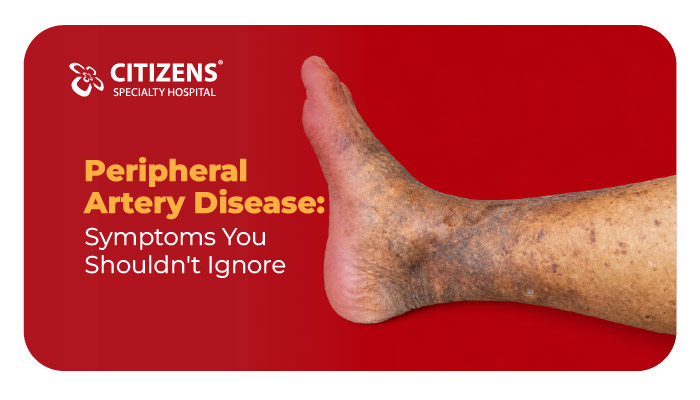
Sores or wounds on the toes, feet, or legs that heal slowly or not at all
- Shiny skin on the legs
- Hair loss or slower hair growth on the legs and feet
- Weak or absent pulses in the legs or feet
- Color changes in the skin, such as paleness or bluish tint
- Erectile dysfunction in men, related to reduced blood flow
Critical Limb Ischemia (Severe PAD)
In advanced cases, severely reduced blood flow can lead to:
- Persistent, severe pain in the feet or toes even at rest
- Non-healing ulcers or gangrene
- Risk of limb amputation if untreated
Why PAD Symptoms Are Often Overlooked
Many people attribute leg pain or fatigue to normal aging, arthritis, or
general deconditioning, delaying diagnosis. Additionally, some individuals
with PAD experience no symptoms at all despite significant arterial narrowing,
making regular screening important for those with risk factors.
How Is PAD Diagnosed?
-
Ankle-brachial index (ABI) – A simple, non-invasive test
comparing blood pressure in the ankle and arm
-
Doppler ultrasound – Evaluates blood flow through the
arteries
-
CT or MR angiography – Provides detailed imaging of blood
vessels
-
Angiography – An invasive imaging test using contrast dye,
typically reserved for planning intervention
Treatment Options for PAD
Lifestyle Modifications
-
Smoking cessation – The single most impactful step to slow
disease progression
-
Supervised exercise programs – Walking programs
specifically designed to improve circulation and reduce symptoms
-
Healthy diet – Reducing saturated fats and cholesterol
-
Diabetes management – Tight blood sugar control to reduce
vascular damage
-
Blood pressure and cholesterol control – Through diet,
exercise, and medication as needed
Medications
- Antiplatelet drugs – Reduce risk of blood clots
-
Cholesterol-lowering medications (statins) – Slow plaque
progression
-
Medications to improve walking distance – Specifically
approved for claudication symptoms
-
Blood pressure medications – To manage hypertension and
reduce cardiovascular risk
Minimally Invasive Procedures
-
Angioplasty – A balloon is used to widen narrowed arteries
-
Stenting – A small mesh tube is placed to keep the artery
open after angioplasty
Surgical Options
-
Bypass surgery – Rerouting blood flow around blocked
arteries using a graft
-
Atherectomy – Removal of plaque buildup from within the
artery
Living with PAD: Daily Management Tips
-
Inspect your feet daily for cuts, sores, or changes in color, especially
important for those with diabetes
- Wear properly fitted, protective footwear
- Avoid extreme temperatures that can affect circulation
- Keep skin moisturized to prevent cracking
- Attend regular follow-up appointments to monitor disease progression
-
Follow a walking program as recommended, even though initial discomfort is
common
Complications of Untreated PAD
- Non-healing wounds and ulcers
- Increased risk of infection
- Critical limb ischemia
- Limb amputation in severe cases
-
Significantly elevated risk of heart attack and stroke, since PAD indicates
widespread arterial disease
When to See a Doctor
Seek medical evaluation if you experience:
-
Leg pain, cramping, or fatigue during activity that improves with rest
- Non-healing sores on your feet or legs
- Coldness or color changes in one leg compared to the other
- Any of the risk factors listed above combined with new leg symptoms
Conclusion
Peripheral artery disease is a serious but often overlooked condition that
extends far beyond leg discomfort—it’s a marker of broader cardiovascular
risk. Recognizing symptoms like leg pain during activity, slow-healing wounds,
or coldness in the limbs, and seeking prompt evaluation, can help prevent
serious complications and protect both your limbs and your heart health.
Frequently Asked Questions
Q: Is PAD the same as varicose veins? A: No, PAD affects
arteries carrying blood to the limbs, while varicose veins involve dysfunction
in veins carrying blood back to the heart. They are distinct conditions with
different causes.
Q: Can PAD be reversed? A: While existing arterial damage
cannot be fully reversed, lifestyle changes and treatment can slow
progression, improve symptoms, and reduce complication risk significantly.
Q: How common is PAD? A: PAD affects a significant portion
of older adults, particularly those with risk factors like smoking, diabetes,
or high blood pressure, though it’s often underdiagnosed.
Q: Does PAD always cause leg pain? A: No, many people with
PAD have no symptoms initially, which is why screening is important for those
with risk factors, even without symptoms.
Q: Is walking good or bad for PAD? A: Supervised, structured
walking programs are actually one of the most effective non-surgical
treatments for improving PAD symptoms and walking distance over time.