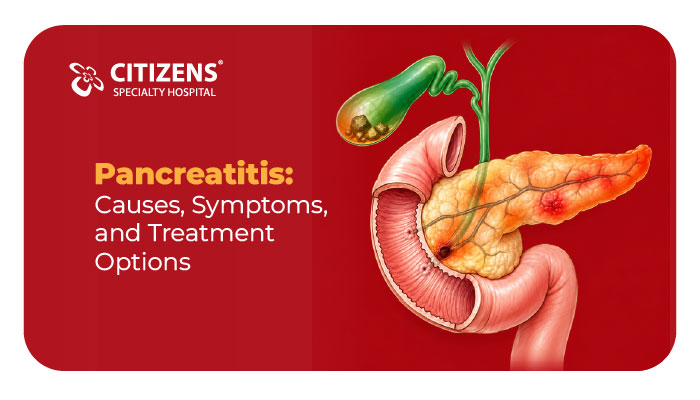
Pancreatitis: Causes, Symptoms, and Treatment Options
Pancreatitis, inflammation of the pancreas, can range from a mild,
self-limiting episode to a severe, life-threatening condition. Understanding
the causes, recognizing symptoms early, and knowing the available treatment
options can help ensure timely care and better outcomes.
What Is the Pancreas and What Does It Do?
The pancreas is a gland located behind the stomach that plays two crucial
roles: producing digestive enzymes that help break down food in the small
intestine and producing hormones like insulin that regulate blood sugar
levels. When the pancreas becomes inflamed, these functions can be disrupted,
leading to significant health complications.
Types of Pancreatitis
Acute Pancreatitis
A sudden onset of pancreatic inflammation that typically resolves with
appropriate treatment, though severe cases can lead to serious complications.
Chronic Pancreatitis
Long-term, progressive inflammation that causes permanent damage to the
pancreas over time, often resulting in impaired digestive and hormonal
function.
Common Causes of Pancreatitis
-
Gallstones – The most common cause of acute pancreatitis,
occurring when a gallstone blocks the pancreatic duct
-
Chronic alcohol use – A leading cause of both acute and
chronic pancreatitis
-
High triglyceride levels – Severely elevated triglycerides
can trigger pancreatitis
-
Certain medications – Some drugs are associated with an
increased risk of pancreatitis
-
Genetic factors – Certain genetic mutations increase
susceptibility, particularly for chronic pancreatitis
-
Abdominal trauma or surgery – Can sometimes trigger acute
pancreatitis
-
Autoimmune conditions – Autoimmune pancreatitis, though
relatively rare
-
Infections – Certain viral infections can occasionally
trigger pancreatitis
-
Smoking – Increases risk and can worsen chronic
pancreatitis progression
Recognizing the Symptoms of Pancreatitis
Acute Pancreatitis Symptoms
- Severe upper abdominal pain, often radiating to the back
- Pain that may worsen after eating, particularly fatty foods
- Nausea and vomiting
- Fever
- Rapid heart rate
- Abdominal tenderness and swelling
Chronic Pancreatitis Symptoms
- Persistent or recurrent abdominal pain
- Unintentional weight loss
- Oily, foul-smelling stools (steatorrhea) due to poor fat digestion
-
Symptoms of diabetes, as the pancreas’s insulin-producing function declines
over time
- Nutritional deficiencies related to impaired digestion
Diagnosing Pancreatitis
-
Blood tests – Elevated pancreatic enzymes (amylase and
lipase) support the diagnosis of acute pancreatitis
-
Imaging tests – CT scans, MRI, or ultrasound to visualize
the pancreas and identify causes like gallstones or complications
-
Endoscopic ultrasound – Provides detailed imaging,
particularly useful for identifying smaller gallstones or structural
abnormalities
-
Additional blood tests – To assess triglyceride levels,
calcium levels, and liver function, helping identify the underlying cause
Treatment for Acute Pancreatitis
Initial Hospital Management
-
Fasting – Allowing the pancreas to rest by avoiding food
temporarily
-
Intravenous fluids – Essential for preventing dehydration
and supporting recovery
-
Pain management – Medications to control often severe
abdominal pain
-
Nutritional support – Gradual reintroduction of food as
symptoms improve, sometimes via feeding tube in severe cases
Treating the Underlying Cause
-
Gallstone removal – Via endoscopic procedures (ERCP) or
gallbladder removal surgery if gallstones are the cause
-
Addressing high triglycerides – Through medication and
dietary changes
-
Alcohol cessation support – Essential for alcohol-related
pancreatitis
Managing Severe Cases
Severe acute pancreatitis may require:
- Intensive care monitoring for complications
-
Treatment of infected pancreatic tissue, sometimes requiring drainage or
surgical intervention
- Management of organ dysfunction, if present
Treatment for Chronic Pancreatitis
-
Pain management – A key focus, often requiring a
multidisciplinary approach
-
Enzyme replacement therapy – Pancreatic enzyme supplements
to aid digestion
-
Nutritional support – Dietary modifications and vitamin
supplementation to address deficiencies
-
Diabetes management – Blood sugar monitoring and treatment
as pancreatic function declines
-
Alcohol and smoking cessation – Critical for slowing
disease progression
-
Endoscopic or surgical procedures – To address duct
blockages, remove damaged tissue, or manage complications
Dietary Recommendations for Pancreatitis
- Follow a low-fat diet to reduce strain on the pancreas
- Eat smaller, more frequent meals rather than large meals
-
Avoid alcohol completely, especially important for alcohol-related
pancreatitis
- Stay well-hydrated
-
Consider pancreatic enzyme supplements with meals, if prescribed, to improve
digestion and nutrient absorption
-
Work with a dietitian for personalized nutritional guidance, particularly
for chronic pancreatitis
Potential Complications of Pancreatitis
-
Pseudocysts – Fluid-filled sacs that can form on or near
the pancreas
- Infection – Of inflamed or damaged pancreatic tissue
-
Diabetes – Resulting from long-term damage to
insulin-producing cells
-
Malnutrition – Due to impaired digestive enzyme production
-
Pancreatic cancer – Chronic pancreatitis is associated with
a modestly increased long-term risk
Preventing Pancreatitis
- Limit or avoid alcohol consumption
- Maintain a healthy weight and manage triglyceride levels
- Follow a balanced, low-fat diet
- Treat gallstones promptly if diagnosed
- Avoid smoking
-
Discuss medication risks with your doctor if you have other risk factors for
pancreatitis
When to Seek Emergency Care
Seek immediate medical attention if you experience:
- Severe, persistent abdominal pain, particularly radiating to the back
- Abdominal pain accompanied by fever and rapid heartbeat
- Persistent vomiting is unable to keep down fluids
- Signs of dehydration or confusion
Conclusion
Pancreatitis ranges from a mild, self-resolving condition to a serious illness
with significant complications. Understanding the underlying causes,
recognizing symptoms early, and following appropriate treatment protocols
including necessary lifestyle changes can significantly improve outcomes and
reduce the risk of recurrence or long-term complications.
Frequently Asked Questions
Q: Can pancreatitis be cured completely? A: Acute
pancreatitis is often resolved completely with appropriate treatment,
especially when the underlying cause is addressed. Chronic pancreatitis,
however, involves permanent damage that requires long-term management.
Q: Is pancreatitis always caused by alcohol? A: No, while
alcohol is a significant cause, gallstones are the most common cause of acute
pancreatitis, and various other factors can contribute as well.
Q: How long does recovery from acute pancreatitis take? A:
Mild cases often improve within a few days to a week with treatment, while
severe cases may require longer hospitalization and recovery time.
Q: Can I drink alcohol after recovering from pancreatitis?
A: If alcohol was a contributing cause, complete abstinence is strongly
recommended to prevent recurrence and further pancreatic damage.
Q: Does chronic pancreatitis increase cancer risk? A: Yes,
chronic pancreatitis is associated with a modestly increased risk of
pancreatic cancer over time, making regular monitoring important.