The human heart is a remarkable organ that beats around 100,000 times each day, continuously pumping blood throughout the body. This steady rhythm is controlled by the heart's natural electrical system. However, when this electrical system malfunctions, the heart may beat too slowly, too quickly, or irregularly, leading to symptoms that can significantly affect quality of life. In some cases, a medical device known as a pacemaker can help restore a normal heart rhythm.
Pacemakers have transformed the lives of millions of people worldwide by helping them maintain a healthy heartbeat and continue their daily activities with confidence. Modern pacemakers are small, sophisticated devices designed to monitor and regulate the heart's rhythm whenever necessary.
What Is a Pacemaker?
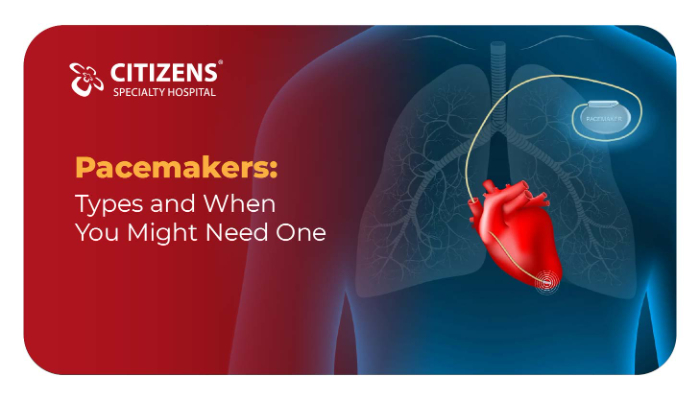
A pacemaker is a small electronic device implanted under the skin, usually near the collarbone, to help regulate abnormal heart rhythms. It sends electrical impulses to the heart muscle when the heart beats too slowly or irregularly.
The device consists of two main components:
1. Pulse Generator
This is the main body of the pacemaker. It contains:
2. Leads (Wires)
Leads are insulated wires that connect the pulse generator to the heart. They deliver electrical impulses to stimulate heartbeats and also transmit information about the heart's natural activity back to the device.
Some newer pacemakers are leadless, meaning they do not require wires.
Understanding the Heart's Electrical System
The heart has its own natural electrical conduction system.
The heartbeat begins in the sinoatrial (SA) node, often called the heart's natural pacemaker. Electrical impulses travel through the atria, causing them to contract and pump blood into the ventricles.
The impulses then pass through the atrioventricular (AV) node and travel to the ventricles, causing them to contract and pump blood to the lungs and the rest of the body.
When this electrical pathway becomes disrupted, abnormal heart rhythms, known as arrhythmias, may occur.
Pacemakers help restore proper coordination and timing of heart contractions.
Why Might Someone Need a Pacemaker?
A pacemaker is typically recommended when the heart beats too slowly (bradycardia) or when electrical signals fail to travel properly through the heart.
Common reasons include:
1. Bradycardia
Bradycardia refers to a heart rate that is slower than normal, generally fewer than 60 beats per minute.
While some athletes naturally have slow heart rates without symptoms, problematic bradycardia can cause:
When symptoms are significant, a pacemaker may be necessary.
2. Heart Block
Heart block occurs when electrical signals move too slowly or fail to travel from the upper chambers (atria) to the lower chambers (ventricles).
Types include:
First-Degree Heart Block
Usually mild and often does not require treatment.
Second-Degree Heart Block
Some electrical impulses fail to reach the ventricles.
Third-Degree (Complete) Heart Block
No electrical signals pass from the atria to the ventricles. This is a serious condition that commonly requires pacemaker implantation.
3. Sick Sinus Syndrome
Sick sinus syndrome develops when the SA node fails to function properly.
Symptoms may include:
A pacemaker often provides effective long-term treatment.
4. Atrial Fibrillation with Slow Ventricular Response
Some individuals with atrial fibrillation experience excessively slow heart rates, especially after medications used to control fast rhythms.
A pacemaker may be needed to maintain an adequate heart rate.
5. Heart Failure
Certain people with heart failure have poorly coordinated contractions between the left and right ventricles.
Special pacemakers called cardiac resynchronization therapy (CRT) devices can improve the heart's pumping efficiency and reduce symptoms.
6. Following Heart Surgery or Certain Procedures
Temporary or permanent damage to the heart's electrical system can occur after:
Some patients may require a pacemaker afterward.
Types of Pacemakers
Different pacemakers are available depending on the patient's heart condition.
1. Single-Chamber Pacemaker
A single-chamber pacemaker has one lead placed in either:
When Is It Used?
It is commonly recommended for:
Advantages
2. Dual-Chamber Pacemaker
A dual-chamber pacemaker uses two leads:
The device coordinates electrical activity between these chambers, closely mimicking the heart's natural rhythm.
Common Uses
Benefits
3. Biventricular Pacemaker (Cardiac Resynchronization Therapy)
A biventricular pacemaker, also called cardiac resynchronization therapy (CRT), stimulates:
The goal is to synchronize contractions of both ventricles.
Who May Benefit?
Patients with:
Potential Benefits
4. Leadless Pacemaker
Leadless pacemakers are tiny self-contained devices implanted directly inside the heart through a catheter inserted via a vein in the groin.
Unlike traditional pacemakers, they have:
Advantages
Limitations
They are currently suitable only for selected patients and may not replace traditional pacemakers in all situations.
5. Temporary Pacemaker
Temporary pacemakers are used for short-term support.
Situations include:
These devices are removed once the heart rhythm stabilizes.
Signs You Might Need a Pacemaker
Only a healthcare provider can determine whether a pacemaker is necessary. However, symptoms that warrant medical evaluation include:
Immediate medical attention is required if these symptoms occur suddenly or severely.
How Doctors Determine If You Need a Pacemaker
Several tests may be performed to evaluate heart rhythm problems.
Electrocardiogram (ECG)
Records the heart's electrical activity.
Holter Monitor
A portable device worn for 24 to 48 hours or longer to detect intermittent rhythm abnormalities.
Event Recorder
Used over weeks to capture occasional symptoms.
Echocardiogram
Uses ultrasound to assess heart structure and pumping function.
Stress Testing
Evaluates heart performance during exercise.
Electrophysiology Study
A specialized procedure that examines the heart's electrical pathways.
The Pacemaker Implantation Procedure
Pacemaker implantation is generally considered a minimally invasive procedure.
Before the Procedure
Patients may:
During the Procedure
The procedure usually takes one to three hours.
Steps Include:
For leadless pacemakers, implantation occurs via catheter without chest incisions.
Recovery After Pacemaker Implantation
Most individuals stay in the hospital for one day, although some may go home the same day.
Recovery recommendations include:
Most people resume normal activities within a few weeks.
Living With a Pacemaker
Modern pacemakers are highly reliable, and many individuals lead active, fulfilling lives after implantation.
Lifestyle Tips
Stay Physically Active
Exercise is usually encouraged after recovery. Always discuss activity levels with a healthcare provider.
Carry a Pacemaker Identification Card
This card contains important device information for emergencies.
Attend Regular Follow-Ups
Pacemakers require periodic monitoring to check:
Many devices can now be monitored remotely.
Inform Healthcare Providers
Always inform doctors, dentists, and other healthcare professionals that you have a pacemaker.
Can Electronic Devices Interfere With a Pacemaker?
Most everyday electronics are safe.
However, precautions include:
Certain medical procedures, such as MRI scans, may require special considerations, although many newer pacemakers are MRI-compatible.
Risks and Complications
Pacemaker implantation is generally safe, but possible risks include:
Serious complications are uncommon.
How Long Does a Pacemaker Last?
Pacemaker batteries typically last between 5 and 15 years, depending on:
When the battery becomes depleted, the pulse generator can usually be replaced through a relatively simple procedure.
Conclusion
Pacemakers are life-changing devices that help maintain a healthy heart rhythm in people with certain electrical disorders of the heart. Whether used for slow heart rates, heart block, or advanced heart failure, these devices can significantly improve symptoms, enhance quality of life, and, in some cases, prolong survival.
If you experience persistent dizziness, fainting, fatigue, or unexplained shortness of breath, seeking timely medical evaluation is essential. Early diagnosis and appropriate treatment can help ensure that your heart continues to beat safely and effectively for years to come.