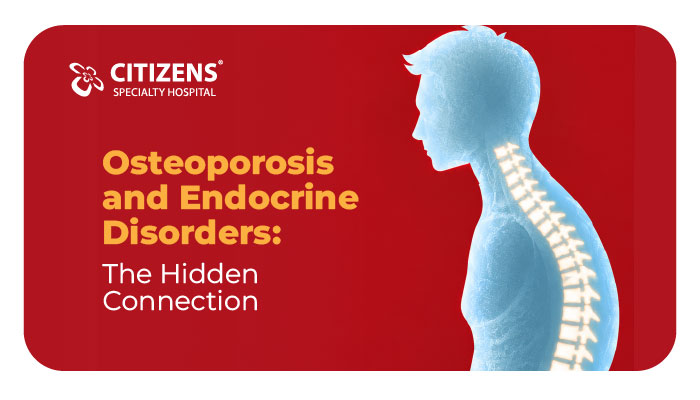
Osteoporosis is often thought of as simply a consequence of aging, but many people don’t realize that various endocrine (hormonal) disorders can significantly contribute to bone loss. Understanding this hidden connection can lead to more effective diagnosis and treatment, addressing the root cause rather than just the symptoms.
What Is Osteoporosis?
Osteoporosis is a condition characterized by weakened, porous bones that are more susceptible to fractures. It occurs when bone density and quality decline, often silently, until a fracture reveals the underlying problem. While commonly associated with aging and menopause, several endocrine disorders can also significantly contribute to bone loss.
How Hormones Affect Bone Health
Bone is a dynamic tissue that’s constantly being broken down and rebuilt in a process influenced by multiple hormones, including:
When these hormones are imbalanced due to underlying endocrine disorders, bone health can be significantly affected.
Endocrine Disorders Linked to Osteoporosis
Hyperthyroidism
Excess thyroid hormone accelerates bone turnover, often favoring bone breakdown over formation, leading to decreased bone density over time if left untreated.
Hyperparathyroidism
Overactive parathyroid glands lead to excessive calcium release from bones into the bloodstream, weakening bone structure and significantly increasing fracture risk.
Cushing’s Syndrome
Excess cortisol, whether from the body’s own overproduction or long-term corticosteroid medication use, significantly increases bone breakdown while suppressing new bone formation.
Hypogonadism
Low levels of estrogen or testosterone, whether due to menopause, certain medical treatments, or other conditions, significantly increase bone loss, as these hormones play protective roles in maintaining bone density.
Diabetes
Both type 1 and type 2 diabetes are associated with increased fracture risk, through complex mechanisms involving bone quality changes, not just bone density.
Growth Hormone Deficiency
Inadequate growth hormone, particularly when it persists into adulthood, can contribute to reduced bone density over time.
Recognizing the Signs
Osteoporosis is often called a “silent disease” because bone loss typically causes no symptoms until a fracture occurs. However, some indirect signs may include:
Who Should Be Screened for Endocrine-Related Osteoporosis?
Consider discussing bone density screening and hormonal evaluation with your doctor if you have:
How Is Osteoporosis Diagnosed?
Treatment Approaches
Addressing the Underlying Endocrine Disorder
Treating the root cause is essential for effectively managing endocrine-related osteoporosis:
Bone-Specific Treatments
Lifestyle Measures
Monitoring Bone Health Over Time
For those with endocrine disorders affecting bone health, regular monitoring is important:
Preventing Osteoporosis in the Context of Endocrine Disorders
Conclusion
The connection between endocrine disorders and osteoporosis highlights the importance of a comprehensive approach to bone health, particularly for those with known hormonal imbalances. By addressing underlying endocrine conditions alongside targeted bone health strategies, patients can more effectively prevent fractures and maintain strong, healthy bones throughout life.
Frequently Asked Questions
Q: Can treating an endocrine disorder reverse osteoporosis? A: While treating the underlying condition can help stop further bone loss and sometimes improve bone density, existing bone loss may require additional targeted treatment to fully address.
Q: Should everyone with a thyroid condition get a bone density test? A: Not necessarily everyone, but those with a history of hyperthyroidism, particularly if prolonged or poorly controlled, should discuss bone health screening with their doctor.
Q: How does long-term steroid use affect bone health? A: Long-term corticosteroid use significantly increases bone breakdown and suppresses new bone formation, making bone density monitoring important for those on extended steroid therapy.
Q: Can men develop osteoporosis from hormonal causes? A: Yes, low testosterone levels and other endocrine disorders can contribute to osteoporosis in men, though it’s often underrecognized compared to postmenopausal osteoporosis in women.
Q: Is osteoporosis always related to menopause? A: No, while menopause is a common cause due to declining estrogen levels, various other endocrine disorders and medical conditions can also significantly contribute to bone loss at any age.