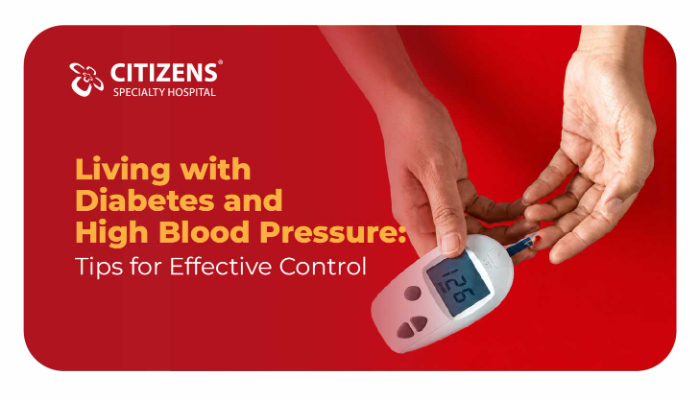
Diabetes and high blood pressure (hypertension) are two of the most common chronic health conditions worldwide. When these conditions occur together, they can significantly increase the risk of serious complications such as heart disease, stroke, kidney disease, vision problems, and nerve damage. However, with the right lifestyle modifications, regular medical care, and proper self-management, individuals can successfully control both conditions and lead healthy, fulfilling lives.
Understanding the Connection Between Diabetes and High Blood Pressure
Diabetes and hypertension often coexist because they share many common risk factors, including obesity, sedentary lifestyle, unhealthy eating habits, and insulin resistance.
Research suggests that people with diabetes are nearly twice as likely to develop high blood pressure compared to those without diabetes. Elevated blood sugar levels can damage blood vessels and make them less flexible, while high blood pressure places additional stress on these already compromised vessels.
When both conditions are present, the risk of cardiovascular complications increases substantially. Therefore, controlling blood sugar and blood pressure is essential for preventing long-term health problems.
Why Effective Management Matters
Uncontrolled diabetes and hypertension can lead to:
The good news is that many of these complications are preventable with consistent management.
Know Your Target Numbers
Monitoring health parameters regularly helps you stay in control.
Recommended Blood Sugar Targets
Although targets vary depending on individual circumstances, general goals include:
Fasting blood glucose: 80–130 mg/dL
Post-meal blood glucose (1–2 hours after eating): Less than 180 mg/dL
HbA1c: Below 7% for many adults (individualized by healthcare providers)
Recommended Blood Pressure Targets
For many people with diabetes, healthcare professionals recommend maintaining blood pressure below:
130/80 mmHg
However, targets may vary based on age, overall health, and associated medical conditions.
Discuss personalized goals with your healthcare provider.
1. Follow a Heart-Healthy and Diabetes-Friendly Diet
Diet plays a central role in controlling both blood sugar and blood pressure.
Eat More:
Limit:
Practice Portion Control
Eating large portions can cause blood sugar spikes and contribute to weight gain. Use smaller plates, measure serving sizes, and avoid overeating.
Try the Plate Method
A simple meal-planning strategy:
This method supports better glucose control and heart health.
2. Reduce Salt Intake
Excess sodium raises blood pressure and increases cardiovascular risk.
Experts generally recommend limiting sodium intake to less than 2,300 mg per day, while some individuals may benefit from even lower amounts.
Tips to Cut Down on Salt:
Even small reductions in sodium intake can improve blood pressure control.
3. Maintain a Healthy Weight
Being overweight increases insulin resistance and elevates blood pressure.
Losing even 5–10% of body weight can lead to significant improvements in:
Weight loss does not require drastic measures. Sustainable lifestyle changes often produce the best long-term results.
4. Stay Physically Active
Regular exercise is one of the most effective ways to manage both diabetes and hypertension.
Physical activity helps:
Recommended Exercise Goals
Aim for at least:
150 minutes of moderate-intensity exercise per week
Examples include:
In addition, include strength-training exercises at least two days per week.
Important Precautions
Before starting a new exercise routine:
5. Monitor Blood Sugar and Blood Pressure Regularly
Home monitoring allows you to identify trends and respond quickly to changes.
Blood Glucose Monitoring
Regular glucose checks help determine:
Keep a log of readings and share it with your healthcare provider.
Blood Pressure Monitoring
Home blood pressure monitors can help detect uncontrolled hypertension.
Take readings:
Record measurements and discuss abnormal readings with your physician.
6. Take Medications Exactly as Prescribed
Many individuals require medications to manage diabetes and high blood pressure effectively.
Common diabetes medications include:
Common blood pressure medications include:
Never stop or adjust medications without consulting your healthcare provider, even if you feel well.
Medication adherence is crucial because both conditions can progress silently without noticeable symptoms.
7. Manage Stress Effectively
Chronic stress can increase blood sugar levels and elevate blood pressure.
Stress hormones such as cortisol and adrenaline affect metabolism and cardiovascular function.
Healthy Stress-Management Techniques:
Maintaining social connections and seeking emotional support can also improve overall well-being.
8. Prioritize Quality Sleep
Poor sleep can negatively affect insulin sensitivity, appetite regulation, and blood pressure.
Adults should aim for:
7–9 hours of quality sleep each night
Tips for Better Sleep:
If you experience loud snoring, daytime sleepiness, or interrupted sleep, consult your doctor about possible sleep apnea, a condition commonly associated with both diabetes and hypertension.
9. Avoid Smoking and Limit Alcohol
Quit Smoking
Smoking damages blood vessels, increases blood pressure, and significantly raises the risk of heart disease, stroke, and complications related to diabetes.
Quitting smoking offers immediate and long-term health benefits.
Limit Alcohol Consumption
Excessive alcohol intake can:
If you drink alcohol, do so in moderation and discuss safe limits with your healthcare provider.
10. Protect Your Heart Health
Cardiovascular disease is the leading cause of illness and death among people with diabetes and hypertension.
Support heart health by:
Regular cholesterol screening is also essential.
11. Take Special Care of Your Kidneys
Both diabetes and high blood pressure are major causes of kidney disease.
Protect kidney function by:
Early detection can prevent progression to severe kidney disease.
12. Don't Ignore Foot Care
Diabetes can reduce sensation in the feet, while poor circulation may delay healing.
Daily foot care helps prevent ulcers and infections.
Foot Care Tips:
13. Schedule Regular Health Check-Ups
Routine medical visits help identify complications early.
Important evaluations include:
Regular follow-up appointments allow healthcare providers to adjust treatment plans when necessary.
Warning Signs That Require Immediate Medical Attention
Seek urgent medical care if you experience:
Prompt treatment can prevent serious complications.
Conclusion
Living with both diabetes and high blood pressure may seem challenging, but effective control is achievable through daily healthy habits, regular monitoring, medication adherence, and ongoing medical care. Small, consistent changes in diet, exercise, stress management, and lifestyle can have a significant impact on long-term health outcomes.
Remember that successful management is not about perfection but consistency. By actively participating in your care and working closely with your healthcare team, you can reduce complications, improve quality of life, and enjoy a healthier future.