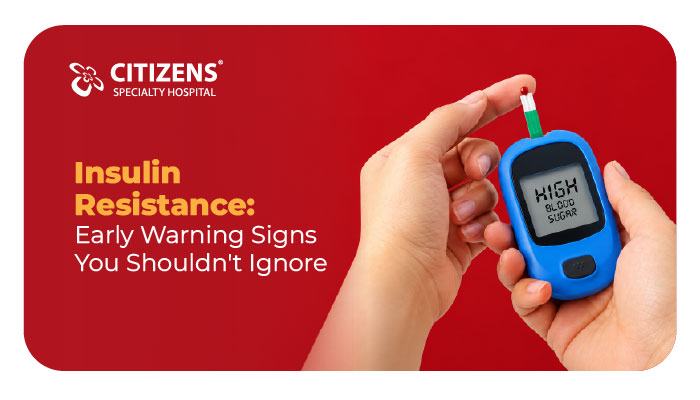
Insulin Resistance: Early Warning Signs You Shouldn’t Ignore
Insulin resistance is a silent but significant health condition that often
develops years before more obvious problems like type 2 diabetes appear.
Recognizing the early warning signs can empower you to make lifestyle changes
that prevent or delay the progression to more serious metabolic disease.
What Is Insulin Resistance?
Insulin resistance occurs when cells in the muscles, fat, and liver don’t
respond effectively to insulin, a hormone that helps glucose enter cells for
energy. As a result, the pancreas compensates by producing more insulin to
maintain normal blood sugar levels. Over time, this compensation can fail,
leading to elevated blood sugar and eventually type 2 diabetes.
What Causes Insulin Resistance?
Multiple factors contribute to the development of insulin resistance:
- Excess body weight , particularly abdominal fat
- Physical inactivity
- Diet high in refined carbohydrates and added sugars
- Genetics and family history of type 2 diabetes
-
Chronic stress , which raises cortisol levels affecting
blood sugar regulation
- Poor sleep quality or insufficient sleep
- Certain medications , including some steroids
-
Hormonal conditions , such as polycystic ovary syndrome
(PCOS)
-
Aging , as insulin sensitivity naturally tends to decrease
Early Warning Signs of Insulin Resistance
Many early signs of insulin resistance are subtle and easily overlooked,
making awareness particularly important.
Physical Signs
-
Increased abdominal fat – Fat accumulation around the waist
is strongly associated with insulin resistance
-
Skin changes (acanthosis nigricans) – Dark, velvety patches
of skin, often on the neck, armpits, or groin
-
Skin tags – Small, benign growths, particularly in areas of
skin friction
-
Fatigue after meals – Particularly after consuming
carbohydrate-heavy meals
-
Increased hunger and sugar cravings – Despite adequate food
intake
Metabolic Signs (Detected Through Testing)
-
Elevated fasting blood glucose – Even within the
“prediabetes” range
-
Elevated fasting insulin levels – Often detectable before
blood glucose becomes abnormal
- High triglycerides
- Low HDL (“good”) cholesterol
- Elevated blood pressure
Other Associated Symptoms
- Difficulty losing weight despite diet and exercise efforts
- Brain fog or difficulty concentrating
-
Irregular menstrual cycles in women, particularly associated with PCOS
Who Is at Higher Risk?
-
Individuals who are overweight or obese, particularly with abdominal fat
distribution
- Those with a family history of type 2 diabetes
- People with a sedentary lifestyle
- Women with polycystic ovary syndrome (PCOS)
- Individuals with a history of gestational diabetes
- Certain ethnic groups with higher genetic predisposition
- People with high blood pressure or abnormal cholesterol levels
How Is Insulin Resistance Diagnosed?
There isn’t one single definitive test, but doctors typically assess:
-
Fasting blood glucose – Elevated levels can indicate
impaired insulin function
-
Fasting insulin levels – Elevated levels alongside normal
or slightly elevated glucose suggest insulin resistance
-
HOMA-IR calculation – A formula using fasting glucose and
insulin levels to estimate insulin resistance
-
Hemoglobin A1c – Reflects average blood sugar over the past
two to three months
-
Oral glucose tolerance test – Measures blood sugar response
after consuming a glucose solution
-
Lipid panel – Assessing triglycerides and cholesterol
levels, often abnormal alongside insulin resistance
Why Early Detection Matters
Identifying insulin resistance before it progresses to prediabetes or type 2
diabetes offers a critical window for intervention. Lifestyle changes
implemented at this stage can often reverse insulin resistance entirely,
preventing progression to more serious metabolic disease.
Lifestyle Strategies to Improve Insulin Sensitivity
Dietary Changes
- Reduce intake of refined carbohydrates and added sugars
- Increase fiber intake through vegetables, whole grains, and legumes
-
Include healthy fats and adequate protein in meals to promote satiety and
stable blood sugar
- Practice portion control and mindful eating
-
Consider reducing overall carbohydrate intake, particularly from processed
sources
Physical Activity
-
Engage in regular aerobic exercise, such as brisk walking, cycling, or
swimming
-
Incorporate strength training, which helps muscles use glucose more
effectively
-
Aim for consistency, as regular activity has a more significant impact than
occasional intense exercise
- Even short walks after meals can help improve blood sugar response
Weight Management
-
Modest weight loss, even five to seven percent of body weight, can
significantly improve insulin sensitivity
-
Focus on sustainable, gradual weight loss rather than restrictive crash
diets
Sleep and Stress Management
- Prioritize seven to nine hours of quality sleep per night
-
Practice stress-reduction techniques, such as meditation, yoga, or deep
breathing exercises
-
Address underlying sleep disorders, such as sleep apnea, which can worsen
insulin resistance
Medical Treatment Options
In some cases, particularly when lifestyle changes alone aren’t sufficient,
doctors may recommend:
-
Metformin – A commonly prescribed medication that improves
insulin sensitivity
-
Other medications – Depending on individual risk factors
and coexisting conditions
-
Regular monitoring of blood glucose and related metabolic markers to track
progress
Complications of Untreated Insulin Resistance
- Progression to prediabetes and eventually type 2 diabetes
- Increased risk of cardiovascular disease
- Non-alcoholic fatty liver disease
- Polycystic ovary syndrome complications in women
-
Increased risk of certain cancers, associated with chronic metabolic
dysfunction
When to See a doctor
Consider discussing insulin resistance screening with your doctor if you have:
- A family history of type 2 diabetes
- Excess abdominal weight
- Symptoms like dark skin patches or persistent fatigue after meals
- A sedentary lifestyle combined with other risk factors
- A history of gestational diabetes or PCOS
Conclusion
Insulin resistance often develops silently, but recognizing its early warning
signs provides a valuable opportunity for intervention before more serious
metabolic complications develop. Through consistent lifestyle changes
including improved diet, regular physical activity, and better sleep and
stress management many people can significantly improve insulin sensitivity
and protect their long-term metabolic health.
Frequently Asked Questions
Q: Can insulin resistance be reversed? A: Yes, particularly
when caught early, lifestyle changes including diet, exercise, and weight
management can significantly improve or even reverse insulin resistance.
Q: Does insulin resistance always lead to diabetes? A: Not
necessarily, especially with early lifestyle intervention, though untreated
insulin resistance significantly increases the risk of progressing to type 2
diabetes over time.
Q: Can thin people have insulin resistance? A: Yes, while
excess weight is a major risk factor, insulin resistance can occur in people
of normal weight, particularly with genetic predisposition or high visceral
fat despite normal overall weight.
Q: What blood tests check for insulin resistance? A: Fasting
glucose, fasting insulin, hemoglobin A1c, and sometimes a HOMA-IR calculation
are used to assess insulin resistance.
Q: How quickly can lifestyle changes improve insulin sensitivity?
A: Some improvements can be seen within weeks of consistent dietary changes
and exercise, though significant, sustained improvement typically takes
several months.