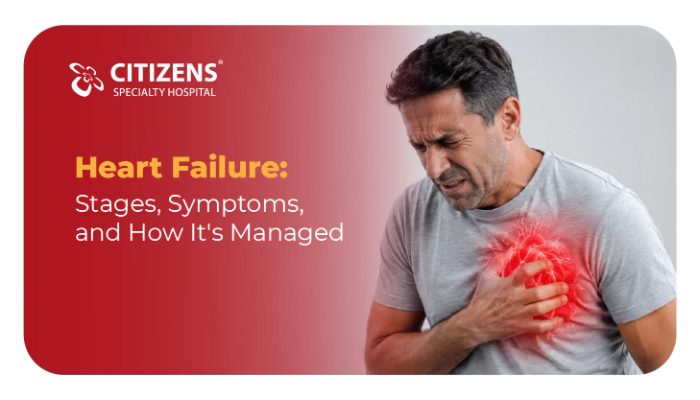
Heart failure is a chronic medical condition that affects millions of people worldwide. Despite its name, heart failure does not mean that the heart has completely stopped working. Instead, it means that the heart is unable to pump blood efficiently enough to meet the body's needs. When the heart cannot function properly, vital organs and tissues receive less oxygen and nutrients, leading to a range of symptoms and health complications.
Heart failure is a serious condition, but advancements in diagnosis, medications, lifestyle management, and medical procedures have significantly improved outcomes for patients. Early recognition and appropriate treatment can help individuals lead active and fulfilling lives.
What Is Heart Failure?
Heart failure, also known as congestive heart failure (CHF), occurs when the heart muscle becomes too weak or stiff to pump blood effectively. As a result, blood and fluid can accumulate in the lungs, legs, abdomen, and other parts of the body.
The condition can affect one or both sides of the heart and may develop gradually over time or suddenly after a major cardiac event.
Heart failure can occur in people of all ages, but it is more common among older adults. The risk increases in individuals with conditions such as high blood pressure, coronary artery disease, diabetes, and obesity.
Types of Heart Failure
Understanding the type of heart failure is important because treatment approaches may vary.
1. Left-Sided Heart Failure
This is the most common type. The left ventricle, responsible for pumping oxygen-rich blood to the body, cannot function efficiently.
Two forms include:
Symptoms often include:
2. Right-Sided Heart Failure
The right side of the heart pumps blood to the lungs. When it fails, blood backs up in the veins, leading to fluid retention.
Common signs include:
3. Biventricular Heart Failure
Both sides of the heart are affected, resulting in symptoms associated with both left- and right-sided failure.
4. Acute vs Chronic Heart Failure
Stages of Heart Failure
Healthcare providers commonly classify heart failure using the American College of Cardiology (ACC) and American Heart Association (AHA) staging system.
Stage A: High Risk for Heart Failure
At this stage, individuals do not have heart failure or structural heart disease, but they possess risk factors that increase the likelihood of developing the condition.
Risk factors include:
Management
The primary goal is prevention.
Strategies include:
Stage B: Structural Heart Disease Without Symptoms
People in Stage B have structural abnormalities in the heart but have not yet developed symptoms of heart failure.
Examples include:
Management
Treatment focuses on preventing progression.
Measures may include:
Early intervention at this stage can significantly delay the onset of symptoms.
Stage C: Structural Heart Disease With Symptoms
This stage represents symptomatic heart failure.
Individuals experience symptoms during daily activities due to reduced cardiac function.
Common symptoms include:
Management
Treatment typically includes:
Most diagnosed patients fall into this category.
Stage D: Advanced Heart Failure
Stage D is the most severe form of heart failure.
Symptoms persist despite optimal medical treatment and significantly affect quality of life.
Patients may experience:
Management
Advanced therapies may be required, including:
Symptoms of Heart Failure
Symptoms can vary depending on the severity and type of heart failure.
Early Symptoms
In the initial stages, symptoms may be subtle and easily overlooked.
Common early signs include:
1. Shortness of Breath
Breathlessness during physical activity is often one of the earliest symptoms.
As the condition worsens, shortness of breath may occur:
Some individuals wake up suddenly at night gasping for air.
2. Fatigue and Weakness
Reduced blood flow means muscles receive less oxygen, resulting in:
3. Reduced Exercise Capacity
Activities that were once easy may become challenging.
Examples include:
Symptoms Caused by Fluid Retention
4. Swelling (Edema)
Fluid buildup commonly causes swelling in:
Severe swelling can make walking uncomfortable.
5. Rapid Weight Gain
A sudden increase in body weight over a few days may indicate fluid accumulation.
Daily weight monitoring is often recommended for patients with heart failure.
6. Persistent Cough or Wheezing
Fluid in the lungs may cause:
Advanced Symptoms
As heart failure progresses, patients may experience:
Causes and Risk Factors
Several conditions can weaken or damage the heart.
Major Causes Include:
Coronary Artery Disease
Narrowing of the coronary arteries reduces blood supply to the heart muscle.
High Blood Pressure
Persistent hypertension forces the heart to work harder, eventually weakening it.
Heart Attack
A previous heart attack can permanently damage heart muscle tissue.
Cardiomyopathy
Diseases affecting the heart muscle can impair pumping ability.
Heart Valve Disease
Damaged or narrowed valves increase cardiac workload.
Congenital Heart Defects
Structural abnormalities present at birth may contribute to heart failure later in life.
Additional Risk Factors
How Heart Failure Is Diagnosed
Early diagnosis is essential for effective management.
Healthcare providers typically use a combination of medical history, physical examination, and diagnostic tests.
Common Diagnostic Tests
Blood Tests
These evaluate:
Electrocardiogram (ECG)
Measures electrical activity and detects rhythm abnormalities.
Echocardiogram
An ultrasound scan of the heart that evaluates:
Chest X-ray
Helps identify:
Stress Testing
Assesses heart function during physical exertion.
Cardiac MRI or CT Scan
Provides detailed images of heart anatomy.
Coronary Angiography
Used when coronary artery disease is suspected.
How Heart Failure Is Managed
Although heart failure cannot always be cured, effective treatment can slow disease progression, reduce symptoms, and improve survival.
1. Lifestyle Modifications
Lifestyle changes form the foundation of treatment.
Dietary Changes
Patients are often advised to:
Physical Activity
Regular exercise improves cardiovascular health.
Examples include:
Exercise plans should always be tailored by healthcare providers.
Weight Management
Maintaining a healthy weight reduces stress on the heart.
Smoking Cessation
Stopping tobacco use is essential.
Limiting Alcohol
Excessive alcohol can worsen heart failure and should be avoided.
2. Medications
Several medications are commonly prescribed.
ACE Inhibitors and ARBs
These medications lower blood pressure and reduce strain on the heart.
Beta-Blockers
Help slow the heart rate and improve heart function.
Diuretics
Commonly called "water pills," they reduce excess fluid buildup.
Mineralocorticoid Receptor Antagonists
Help decrease fluid retention and improve outcomes.
SGLT2 Inhibitors
Initially developed for diabetes, these medications have shown substantial benefits in heart failure management.
Vasodilators
Relax blood vessels and improve circulation.
Patients should take medications exactly as prescribed and should never stop them without medical advice.
3. Implantable Devices
Certain patients may benefit from specialized cardiac devices.
Implantable Cardioverter Defibrillator (ICD)
An ICD monitors heart rhythms and delivers shocks when dangerous arrhythmias occur.
Cardiac Resynchronization Therapy (CRT)
CRT coordinates contractions of the heart chambers, improving pumping efficiency.
4. Surgical and Advanced Therapies
When symptoms persist despite treatment, advanced interventions may be considered.
Options include:
Monitoring and Living With Heart Failure
Successful long-term management requires active participation by patients.
Important self-care measures include:
Patients should seek immediate medical attention if they experience:
Conclusion
Heart failure is a complex but manageable condition. Understanding its stages, recognizing early symptoms, and seeking timely medical care can make a significant difference in outcomes. Advances in medications, lifestyle interventions, implantable devices, and surgical therapies have greatly improved the quality of life for many people living with heart failure.
With proper medical guidance, regular monitoring, and healthy lifestyle choices, individuals with heart failure can effectively manage their condition and reduce the risk of complications.