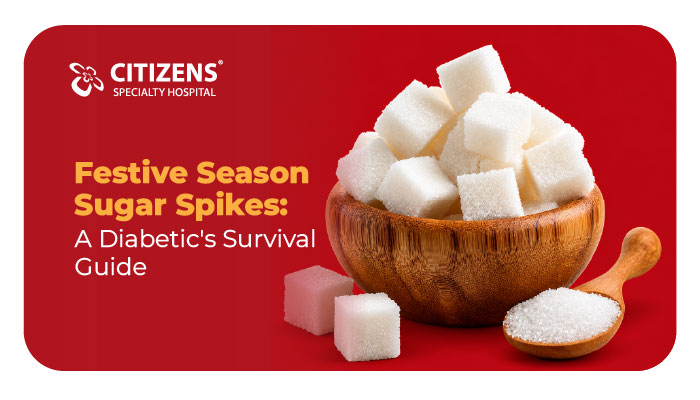
Festive Season Sugar Spikes: A Diabetic's Survival Guide
For people living with diabetes, the festive season can feel like walking through a minefield of
sweets. Diwali mithai boxes, Navratri fasting foods, wedding buffets, Christmas cakes and New Year
parties arrive one after another. Add disrupted routines, late nights and less exercise, and blood
sugar levels can swing unpredictably.
But having diabetes doesn't mean you have to sit out the celebrations. With a little planning, you
can enjoy festive foods, spend time with loved ones and still keep your blood sugar under control.
This survival guide shows you how.
Why Blood Sugar Spikes During Festivals
Several festive habits affect blood sugar at the same time:
- High-sugar sweets: Traditional mithai often contain large amounts of sugar, ghee and
refined flour.
- Refined carbohydrates: Puris, kachoris, naan, pulao and fried snacks raise blood sugar
quickly.
- Large portions: Buffets and family feasts make it easy to overeat.
- Irregular meal times: Delayed dinners, skipped meals and constant snacking disturb sugar
control.
- Less physical activity: Busy schedules often leave no time for walks or workouts.
- Poor sleep and stress: Both can raise blood sugar levels.
- Alcohol: It can cause both high and dangerously low blood sugar.
- Missed medicines: Busy days can lead to forgotten doses.
Know the Signs of High and Low Blood Sugar
High Blood Sugar (Hyperglycaemia)
- Excessive thirst and dry mouth
- Frequent urination
- Tiredness and weakness
- Blurred vision
- Headache
- Slow healing of cuts
Low Blood Sugar (Hypoglycaemia)
Low blood sugar is especially risky for people on insulin or certain tablets, such as sulphonylureas,
particularly if they skip meals or fast.
- Shakiness or trembling
- Sweating
- Rapid heartbeat
- Hunger
- Confusion or irritability
- Dizziness
- In severe cases, loss of consciousness
If you experience symptoms of low blood sugar, check your levels if possible and take 15 grams of
fast-acting sugar, such as glucose tablets, half a glass of fruit juice or a tablespoon of sugar
dissolved in water. Recheck after 15 minutes and repeat if needed. Seek medical help if symptoms
don't improve.
Your Festive Season Game Plan
1. Don't Skip Meals
Skipping meals to "save room" for sweets or a big dinner can lead to low blood sugar followed by
overeating and a sharp spike. Stick to regular meal times as much as possible.
2. Build a Diabetes-Friendly Plate
- Fill half your plate with non-starchy vegetables and salads
- Add a quarter plate of protein, such as dal, paneer, curd, eggs, fish or chicken
- Keep carbohydrates to a quarter plate, preferably whole grains like millets, brown rice or
whole wheat roti
- Eat vegetables and protein before carbohydrates, which can help reduce the blood sugar
rise
3. Plan Your Sweets
You can enjoy a sweet occasionally, but plan for it:
- Choose one small portion of your favourite sweet rather than sampling many
- Eat sweets after a balanced meal rather than on an empty stomach
- Adjust carbohydrates in the rest of the meal, for example, skip the extra roti or rice
- Share a sweet with a family member
- Choose sweets made with nuts, milk or seeds in moderation over deep-fried, syrup-soaked
varieties
4. Be Careful With "Sugar-Free" Sweets
Sugar-free sweets may still contain refined flour, ghee, khoya, dried fruits and high calories. Many
use artificial sweeteners, which are acceptable in moderation, but the other ingredients can still
raise blood sugar and add to weight gain. Read labels and watch portions.
5. Watch Out for Hidden Sugars
- Sweetened beverages such as cold drinks, packaged juices, sharbats and milkshakes
- Chutneys and sauces with added sugar
- Sweet lassi and flavoured yoghurts
- Dry fruit mixes with sugar-coated nuts
Choose buttermilk, plain water, lemon water without sugar, green tea or unsweetened drinks
instead.
6. Smart Snacking
Festivals involve lots of snacking. Better choices include:
- Roasted chana or makhana
- A small handful of unsalted nuts
- Vegetable sticks with hung curd dip
- Sprouts chaat
- Paneer or chicken tikka
Limit fried namkeen, chaklis, mathris and chips.
7. Keep Moving
Physical activity helps muscles use glucose and lowers blood sugar.
- Take a 10-to-15-minute walk after meals, which is especially effective at reducing post-meal
spikes
- Dance at celebrations
- Help with festive cleaning and decorating
- Don't abandon your regular exercise routine
8. Stay Hydrated
Drink plenty of water. Dehydration can make blood sugar levels more concentrated and harder to
manage.
9. Limit Alcohol
If you drink, do so only with your doctor's approval and in moderation:
- Never drink on an empty stomach
- Avoid sugary mixers and cocktails
- Be aware that alcohol can cause delayed low blood sugar, sometimes hours later
- Check blood sugar before sleeping after drinking
10. Don't Miss Your Medicines
- Set phone reminders for tablets and insulin
- Carry medicines when travelling or visiting relatives
- Keep insulin at the right temperature
- Don't change doses on your own; speak to your doctor if you expect major changes in your
routine
Fasting Safely With Diabetes
Many people fast during Navratri, Karva Chauth and other occasions. Fasting with diabetes requires
caution.
- Consult your doctor first. Your medicine or insulin doses may need adjustment.
- Monitor blood sugar more frequently during the fast.
- Choose fasting foods with fibre and protein, such as paneer, curd, nuts, makhana, and kuttu
or singhara flour rotis, rather than only sabudana and potatoes.
- Stay hydrated where your fast allows.
- Break your fast with a balanced, moderate meal instead of a heavy feast.
- Break the fast immediately if blood sugar drops too low, rises too high or you feel unwell.
People with type 1 diabetes, those with frequent hypoglycaemia, pregnant women with diabetes,
and people with kidney disease or other complications may be advised not to fast.
Monitor More Often
Festive periods are a good time to check blood sugar more frequently:
- Check fasting sugar in the morning
- Check two hours after large meals
- Check if you feel symptoms of high or low sugar
- Keep a simple log to share with your doctor
Travelling During Festivals
- Carry a small kit with your glucose meter, strips, medicines, insulin and snacks
- Keep glucose tablets or sweets for emergencies
- Wear or carry identification that mentions you have diabetes
- Adjust medicine timings carefully when crossing time zones, with your doctor's guidance
Handling Social Pressure
Relatives and friends often insist on "just one more sweet." Polite but firm responses help:
- "Thank you, I've already had my favourite one."
- "I'll take it home for later."
- "My doctor has asked me to be careful."
Most people will respect your choice once they understand.
After the Festivals: Get a Check-Up
Once the celebrations are over, it's a good idea to review your health:
- HbA1c test: Reflects your average blood sugar over the past two to three months
- Fasting and post-meal blood sugar
- Lipid profile
- Kidney function tests and urine albumin
- Blood pressure check
These help you and your doctor adjust your treatment plan for the months ahead.
Conclusion
Diabetes doesn't mean giving up festive joy. It means celebrating with awareness: regular meals,
sensible portions, planned sweets, daily movement, consistent medicines and frequent monitoring.
With these habits, you can enjoy every celebration while keeping your health on track.
If your blood sugar has been harder to manage this season, don't wait for the new year to act. Book
your test with Citizens Specialty Hospital for an HbA1c and diabetes review today.