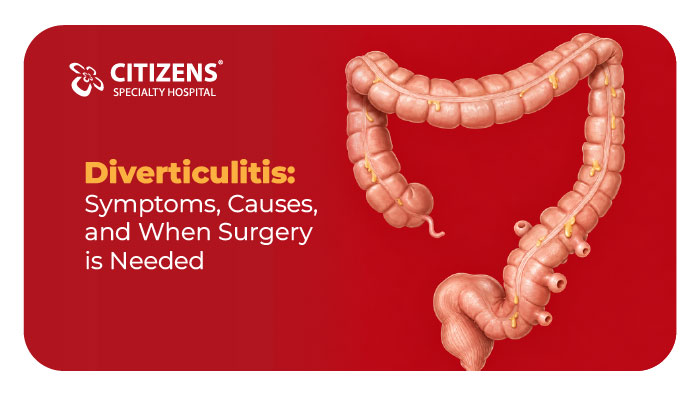
Diverticulitis: Symptoms, Causes, and When Surgery Is Needed
Diverticulitis is a common digestive condition that can range from mild
discomfort to a serious medical emergency requiring surgery. Understanding the
symptoms, causes, and treatment options including when surgical intervention
becomes necessary can help you manage this condition effectively and recognize
when to seek prompt medical care.
What Is Diverticulitis?
Diverticulitis occurs when small, bulging pouches (diverticula) that can form
in the lining of the colon become inflamed or infected. These pouches
themselves, when present without inflammation, are called diverticulosis a
very common condition, particularly with increasing age, that often causes no
symptoms at all.
What Causes Diverticula to Form?
Diverticula are believed to form due to increased pressure within the colon,
often related to:
-
Low-fiber diet – Leading to harder stools and increased
straining during bowel movements
- Aging – The colon wall naturally weakens over time
- Obesity
- Sedentary lifestyle
- Smoking
-
Certain medications , including some pain relievers, which
may increase risk
What Triggers Diverticulitis?
Diverticulitis develops when these pouches become inflamed or infected,
potentially due to:
- Trapped stool or bacteria within a diverticulum
- Micro-perforations in the pouch wall
- Changes in gut bacteria balance
Recognizing the Symptoms of Diverticulitis
Common Symptoms
-
Abdominal pain – Typically in the lower left side, though
it can occur elsewhere
- Fever
- Nausea and vomiting
- Changes in bowel habits – Constipation or diarrhea
- Bloating and gas
-
Tenderness in the abdomen , particularly on palpation
Symptoms of Complicated Diverticulitis (Requiring Urgent Care)
- Severe, worsening abdominal pain
- High fever with chills
- Rigid, board-like abdomen
- Signs of infection spreading, such as rapid heart rate
- Inability to pass gas or have a bowel movement (possible obstruction)
- Blood in the stool
How Is Diverticulitis Diagnosed?
-
Physical examination – Assessing abdominal tenderness and
other signs of inflammation
-
CT scan – The primary diagnostic tool, providing detailed
images to confirm diverticulitis and assess severity or complications
-
Blood tests – Checking for elevated white blood cell count,
indicating infection or inflammation
-
Colonoscopy – Typically performed after the acute episode
resolves, to evaluate the colon and rule out other conditions
Classifying Diverticulitis Severity
Uncomplicated Diverticulitis
Inflammation is present without additional complications such as abscess,
perforation, or obstruction. This represents most cases and is often
manageable without surgery.
Complicated Diverticulitis
Involves additional serious complications, including:
- Abscess formation – A localized collection of pus
-
Perforation – A hole in the colon wall, potentially leading
to peritonitis (infection of the abdominal cavity)
-
Fistula formation – An abnormal connection between the
colon and another organ
-
Bowel obstruction – Blockage of the colon due to
inflammation and scarring
-
Peritonitis – Widespread infection within the abdominal
cavity, a medical emergency
Treatment for Mild (Uncomplicated) Diverticulitis
-
Antibiotics – May be prescribed in some cases, though
recent guidelines suggest they aren’t always necessary for very mild,
uncomplicated cases
-
Dietary modifications – Temporary clear liquid or low-fiber
diet during acute symptoms, gradually returning to a high-fiber diet as
symptoms improve
-
Pain management – Over-the-counter or prescribed pain
relievers, avoiding certain medications that may increase complication risk
-
Rest and monitoring – Close follow-up to ensure symptoms
resolve appropriately
When Is Hospitalization Needed?
More severe cases may require hospitalization for:
- Intravenous antibiotics
-
Intravenous fluids, particularly if oral intake is limited due to nausea or
pain
- Close monitoring for signs of complications
-
Bowel rest, sometimes involving complete avoidance of oral intake
temporarily
When Is Surgery Needed for Diverticulitis?
While most cases of diverticulitis are resolved with conservative treatment,
surgery becomes necessary in certain situations:
Emergency Surgery Indications
-
Perforation with peritonitis – Requires immediate surgical
intervention
-
Large abscess not responding to drainage – May require
surgical management
- Uncontrolled bleeding
-
Bowel obstruction that doesn’t resolve with conservative
measures
Planned (Elective) Surgery Indications
-
Recurrent diverticulitis episodes – Particularly frequent
or severe recurrences affecting quality of life
-
Fistula formation – Abnormal connections between the colon
and other organs typically require surgical correction
-
Persistent symptoms – Despite adequate conservative
treatment
-
Immunocompromised patients – May be considered for surgery
after even a single complicated episode, given higher risk of severe
complications
Types of Surgery for Diverticulitis
-
Bowel resection with primary anastomosis – Removing the
affected portion of the colon and reconnecting the healthy ends, often
possible in less urgent situations
-
Bowel resection with colostomy – In more urgent or
complicated cases, a temporary or sometimes permanent colostomy may be
created, allowing the colon to heal before reconnection, if planned
-
Laparoscopic (minimally invasive) surgery – Often preferred
when feasible, offering shorter recovery times compared to open surgery
-
Open surgery – May be necessary for more complex or
emergency cases
Recovery After Diverticulitis Surgery
-
Hospital stay varies based on the type of surgery and any complications,
ranging from several days to over a week
-
Gradual reintroduction of diet, starting with liquids and progressing to
solid foods as bowel function returns
- Pain management during the initial recovery period
-
Physical activity restrictions initially, with gradual return to normal
activities over several weeks
Preventing Diverticulitis Recurrence
-
High-fiber diet – Once acute symptoms resolve, a diet rich
in fruits, vegetables, and whole grains supports colon health
-
Adequate hydration – Supporting healthy digestion and stool
consistency
-
Regular physical activity – Supports healthy bowel function
- Maintaining a healthy weight
- Avoiding smoking
-
Following up with your doctor – To monitor for recurrence
and address any ongoing concerns
Conclusion
Diverticulitis ranges from mild, manageable conditions to a serious emergency
requiring surgical intervention. Understanding the symptoms, seeking prompt
evaluation for concerning signs, and following recommended dietary and
lifestyle changes can help prevent complications and recurrence, supporting
long-term digestive health.
Frequently Asked Questions
Q: Do I need to avoid nuts and seeds if I have diverticulosis or
diverticulitis?
A: Current evidence doesn’t support strict avoidance of nuts, seeds, or
popcorn, as previously recommended; a high-fiber diet is generally encouraged
instead.
Q: Can diverticulitis go away without treatment? A: Very
mild cases may improve with dietary modifications alone, but most cases
benefit from medical evaluation and appropriate treatment to prevent
complications.
Q: Will I need surgery if I have diverticulitis? A: No, most
cases of diverticulitis are successfully managed with conservative treatment;
surgery is reserved for complicated, recurrent, or emergency situations.
Q: How long does it take to recover from diverticulitis surgery?
A: This varies based on the type of surgery but generally ranges from several
weeks for minimally invasive procedures to longer for more extensive open
surgery.
Q: Can diverticulitis come back after treatment? A: Yes,
recurrence is possible, particularly in individuals who don’t make recommended
dietary and lifestyle changes, which is why ongoing preventive measures are
important.