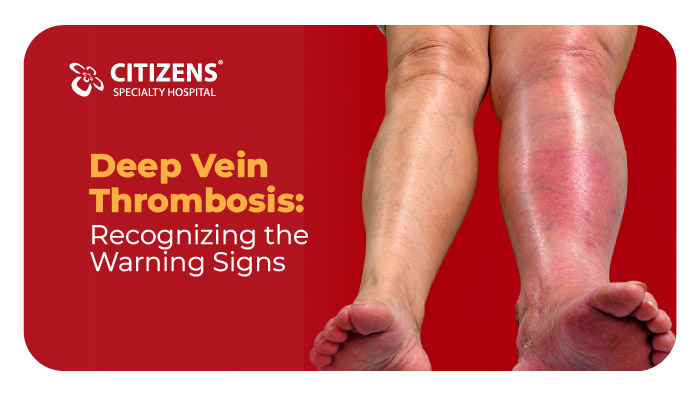
Deep vein thrombosis (DVT) is a serious medical condition that occurs when a blood clot forms in a deep vein, most commonly in the legs. If left untreated, DVT can lead to life- threatening complications, including pulmonary embolism. Recognizing the warning signs early and seeking prompt medical attention can be lifesaving.
What Is Deep Vein Thrombosis?
DVT occurs when a blood clot, or thrombus, forms in one of the deep veins of the body, typically in the lower leg, thigh, or pelvis. These clots can partially or completely block blood flow, causing pain and swelling. The greatest danger arises if part of the clot breaks free and travels through the bloodstream to the lungs, causing a pulmonary embolism—a potentially fatal condition.
Who Is at Risk for DVT?
Several factors increase the likelihood of developing DVT:
Recognizing the Warning Signs of DVT
DVT symptoms typically occur in one leg and may include:
Importantly, some people with DVT experience no symptoms at all, which makes awareness of risk factors particularly important.
Warning Signs of Pulmonary Embolism (Medical Emergency)
If a clot travels to the lungs, it can cause a pulmonary embolism, requiring immediate emergency care. Warning signs include:
If you experience these symptoms, seek emergency medical care immediately.
How Is DVT Diagnosed?
If DVT is suspected, your doctor may order:
Treatment Options for DVT
Anticoagulant Medications (Blood Thinners)
The primary treatment for DVT involves medications that prevent the clot from growing and reduce the risk of new clots forming, including:
Compression Therapy
Compression stockings help reduce swelling and discomfort, and may lower the risk of long- term complications like post-thrombotic syndrome.
Thrombolytic Therapy
In severe cases, clot-dissolving medications may be administered directly to break up large or dangerous clots quickly, typically in a hospital setting.
Inferior Vena Cava (IVC) Filter
For patients who cannot take blood thinners, a filter may be placed in a major vein to catch clots before they reach the lungs.
Lifestyle Measures During Treatment
Preventing DVT
During Travel
After Surgery or Hospitalization
General Prevention
Living with a History of DVT
If you’ve had DVT before, your doctor may recommend:
Conclusion
Deep vein thrombosis is a serious but treatable condition when caught early. Recognizing warning signs like unexplained leg swelling, pain, and warmth—and understanding your personal risk factors—can prompt timely medical evaluation and prevent potentially life- threatening complications. If you suspect DVT, don’t wait; seek medical attention promptly.
Frequently Asked Questions
Q: Can DVT occur without any symptoms? A: Yes, some people with DVT experience minimal or no symptoms, which is why awareness of risk factors is important, especially after surgery or during prolonged immobility.
Q: How quickly does DVT need to be treated? A: DVT should be treated as soon as it’s diagnosed to prevent complications like pulmonary embolism and long-term vein damage.
Q: Can DVT resolve on its own without treatment? A: While the body can sometimes dissolve small clots naturally, DVT requires medical evaluation and typically treatment to prevent serious complications.
Q: How long do I need to take blood thinners for DVT? A: Duration varies based on the cause of the clot and individual risk factors, ranging from a few months to lifelong therapy in some cases.
Q: Is DVT more common in one leg than both? A: Yes, DVT typically affects one leg at a time, though it can occasionally occur in both legs simultaneously.