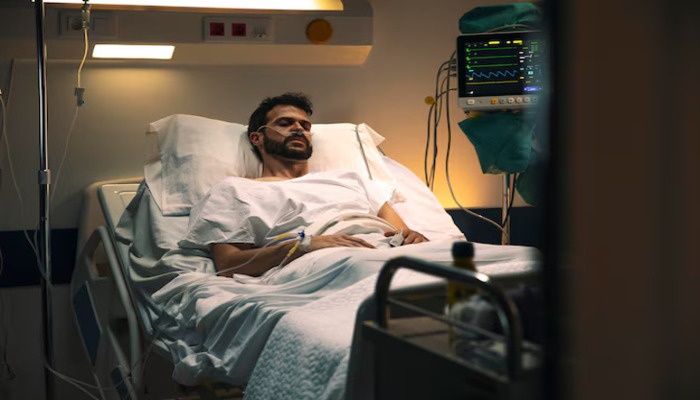
Critical care is specialized treatment for patients with life-threatening illnesses or injuries who need continuous monitoring and advanced medical support. It is provided in an Intensive Care Unit, where doctors and nurses closely track breathing, heart function, blood pressure, oxygen levels, and organ performance. In a well-equipped critical care hospital Hyderabad, critical care teams act quickly to stabilize patients, prevent complications, and support recovery during the most serious phase of illness.
An ICU facility is a dedicated hospital area designed for patients who need round-the-clock observation and immediate medical intervention. Unlike a regular ward, an ICU has advanced monitors, infusion systems, emergency equipment, and trained staff available at all times. ICU care is important because many critical conditions can change suddenly, and the ICU environment helps detect changes early and deliver treatment without delay.
One of the most common reasons for ICU admission is severe breathing difficulty. Conditions such as pneumonia, severe asthma attacks, COPD exacerbations, or acute respiratory distress may reduce oxygen levels to dangerous limits. In such cases, patients may require ventilator support to maintain breathing and protect organs from oxygen shortage. ICU teams manage oxygen therapy, airway care, and ongoing monitoring until breathing improves.
Heart emergencies often require rapid ICU-level care. Patients with heart attacks, dangerously low blood pressure, abnormal heart rhythms, or severe heart failure may need immediate stabilization, continuous ECG monitoring, and quick access to life-saving medications and procedures. An emergency ICU is essential in such situations because the heart’s function can change quickly, and early intervention can prevent sudden cardiac arrest or organ damage.
Brain-related emergencies can also require ICU admission, especially when there is a risk to breathing, consciousness, or brain function. Severe stroke, uncontrolled seizures, head injury, brain bleeding, or infections like meningitis may need constant neurological monitoring. ICU care helps manage oxygen levels, blood pressure, brain swelling, and medication dosing, which are all crucial for protecting the brain during the critical period.
Serious accidents such as road traffic injuries, falls, burns, or crush injuries can cause internal bleeding, shock, breathing problems, and multiple organ stress. These patients often need ICU monitoring, emergency procedures, blood transfusions, and careful pain control. A strong ICU facility is critical for trauma care because the first 24 to 72 hours are often the most unstable and unpredictable.
Sepsis is a severe body-wide reaction to infection that can cause dangerously low blood pressure and organ failure. It may begin from infections in the lungs, urine, abdomen, or bloodstream. ICU admission is often required for aggressive antibiotics, IV fluids, blood pressure support medicines, and close monitoring of kidney, liver, and lung function. Early ICU treatment improves survival and reduces long-term complications.
Some surgeries, especially major heart, brain, lung, or abdominal operations, may require planned ICU observation after the procedure. ICU support is also needed if complications occur, such as excessive bleeding, breathing difficulties, low blood pressure, or infection. An excellent critical care hospital in Hyderabad ensures that high-risk surgical patients receive immediate intensive support and continuous monitoring until they are stable enough for a regular ward.
Patients with sudden kidney failure, severe liver disease, or multiple organ dysfunction may need ICU care to support vital functions. ICU teams manage fluid balance, electrolytes, blood pressure, and sometimes dialysis support. Because organ failure can affect breathing, brain function, and circulation, ICU admission helps ensure that treatment is coordinated and complications are addressed early.
Emergency ICU care is often required when a patient collapses, becomes unconscious, or goes into shock, where blood pressure drops and organs do not receive enough blood. Causes may include severe bleeding, heart problems, infection, allergic reactions, or metabolic disturbances. In an emergency ICU, rapid assessment and stabilization are prioritized, and advanced measures such as ventilator support, emergency medications, and intensive monitoring are used to protect life and restore stability.
Critical care plays a vital role in the management of life-threatening medical conditions that require continuous monitoring, rapid intervention, and advanced supportive therapies within an ICU facility. For immediate assistance, you can reach Citizens Specialty Hospital at the emergency contact number: 040 67 19 20 21.