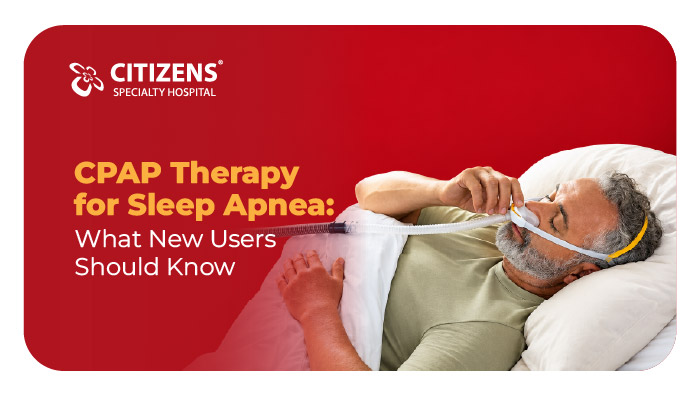
Starting CPAP (Continuous Positive Airway Pressure) therapy can feel like a big adjustment, but it’s one of the most effective treatments available for obstructive sleep apnea. If you’ve recently been prescribed a CPAP machine, understanding how it works and what to expect can make the transition smoother and improve your chances of long-term success.
What Is CPAP Therapy?
CPAP therapy involves wearing a mask connected to a machine that delivers a continuous stream of pressurized air, keeping your airway open throughout the night. This prevents repeated pauses in breathing characteristic of obstructive sleep apnea, improving oxygen levels and sleep quality.
How Does CPAP Work?
During sleep apnea episodes, throat muscles relax and soft tissue collapses, temporarily blocking the airway. CPAP delivers gentle, constant air pressure through a mask, acting like a splint to keep the airway open and prevent these collapses.
Types of CPAP Masks
Choosing the right mask is crucial for comfort and effectiveness. Common options include:
Your sleep specialist or CPAP provider can help determine the best mask type based on your breathing patterns, facial structure, and personal comfort preferences.
Setting Up Your CPAP Machine
Initial Setup Steps
1. Ensure the machine is placed on a stable, flat surface near your bed
2. Fill the humidifier chamber with distilled water, if your machine includes one
3. Attach the tubing securely to both the machine and mask
4. Adjust the mask straps for a snug, comfortable fit without over-tightening
5. Turn on the machine and allow the ramp feature (if available) to gradually increase pressure
Pressure Settings
Your CPAP pressure is prescribed based on your sleep study results. Most modern machines are auto-titrating (APAP), meaning they adjust pressure automatically throughout the night based on your breathing needs.
Common Challenges for New CPAP Users
Mask Discomfort or Leaks
Dry Mouth or Nasal Congestion
Claustrophobia or Anxiety
Difficulty Falling Asleep with the Machine
Caring for Your CPAP Equipment
Proper maintenance ensures effectiveness and hygiene:
Regular cleaning prevents bacterial growth and prolongs equipment life while ensuring optimal therapy effectiveness.
Signs Your CPAP Therapy Is Working
When to Contact Your Doctor
Reach out to your healthcare provider or CPAP supplier if you experience:
Tips for Long-Term CPAP Success
Alternatives and Adjuncts to CPAP
For patients who struggle with CPAP adherence, alternatives may include:
Discuss these options with your sleep specialist if CPAP therapy proves consistently intolerable despite troubleshooting.
Conclusion
Adjusting to CPAP therapy takes patience, but the payoff—better sleep, more energy, and reduced health risks associated with untreated sleep apnea—is well worth the effort. By choosing the right mask, maintaining your equipment, and giving yourself time to adapt, you can make CPAP an effective and sustainable part of your nightly routine.
Frequently Asked Questions
Q: How long does it take to get used to CPAP? A: Most people adjust within a few weeks of consistent nightly use, though some may take longer.
Q: Can I use CPAP if I have a cold or congestion? A: Yes, though you may need to use a humidifier or nasal decongestant to breathe comfortably through the mask during illness.
Q: Do I need to use CPAP every night? A: Yes, consistent nightly use provides the greatest benefit and helps you adjust more quickly to the therapy.
Q: Will I need CPAP therapy forever? A: This depends on the underlying cause of your sleep apnea. Weight loss or other interventions may reduce severity, but many patients use CPAP long-term for effective symptom control.
Q: Is CPAP covered by insurance? A: Coverage varies by provider and plan; check with your insurance company and CPAP supplier for specific details.