Common Digestive Complaints and When They Become Serious
Almost everyone experiences digestive trouble from time to time. A heavy meal leads to acidity, a
change in routine causes constipation, or street food brings on a bout of loose motions. Most of
these episodes pass within a day or two with simple care.
But the digestive system can also be where serious conditions first show themselves. Ulcers,
gallstones, inflammatory bowel disease, liver disease and even cancers of the digestive tract often
begin with symptoms that seem ordinary. The challenge is knowing the difference.
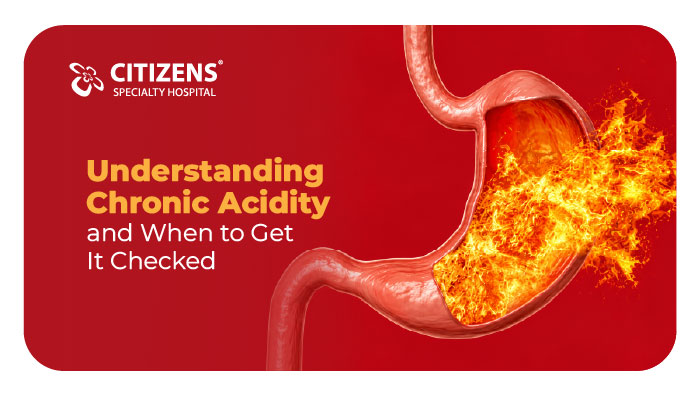
1. Acidity and Heartburn
Acidity and heartburn are among the most common digestive complaints in India, often triggered
by spicy, oily foods, late meals, tea and coffee, stress and irregular eating.
Common Symptoms
- Burning sensation in the chest or upper abdomen
- Sour or bitter taste in the mouth
- Belching
- Discomfort after meals or when lying down
Simple Measures
- Eat smaller, more frequent meals
- Avoid lying down for two to three hours after eating
- Limit spicy, fried and fatty foods, as well as excess tea, coffee, carbonated drinks and
alcohol
- Raise the head end of the bed if symptoms occur at night
- Quit smoking and maintain a healthy weight
When It Becomes Serious
- Symptoms more than twice a week for several weeks, which may indicate gastro-
oesophageal reflux disease (GERD)
- Difficulty or pain while swallowing
- Vomiting blood or material that looks like coffee grounds
- Black stools
- Unexplained weight loss
- Chest pain that could be heart-related, especially with sweating, breathlessness or pain
spreading to the arm or jaw, which needs emergency care
2. Bloating and Gas
Bloating is a feeling of fullness or tightness in the abdomen, often with visible swelling.
Common Causes
- Eating too fast or swallowing air
- Gas-producing foods such as beans, cabbage, onions and carbonated drinks
- Constipation
- Lactose intolerance
- Irritable bowel syndrome (IBS)
Simple Measures
- Eat slowly and chew food well
- Identify and limit trigger foods
- Stay active; a short walk after meals helps
- Increase fibre gradually and drink enough water
When It Becomes Serious
- Persistent bloating that doesn't go away
- Bloating with weight loss, loss of appetite or feeling full quickly
- Abdominal swelling that keeps increasing
- Bloating with changes in bowel habits or blood in stools
- In women, persistent bloating can occasionally be linked to ovarian conditions and should
be evaluated
3. Constipation
Constipation means having fewer than three bowel movements a week, or passing hard, dry stools
with difficulty.
Common Causes
- Low fibre intake
- Not drinking enough water
- Physical inactivity
- Ignoring the urge to pass stools
- Certain medicines, such as iron supplements, some painkillers and antacids
- Hypothyroidism, diabetes and pregnancy
Simple Measures
- Eat more fibre from whole grains, vegetables, fruits, legumes and seeds such as isabgol
- Drink adequate water through the day
- Exercise regularly
- Maintain a routine for bowel movements
When It Becomes Serious
- A recent, persistent change in bowel habits, especially after age 45 to 50
- Blood in stools or black, tarry stools
- Severe abdominal pain or inability to pass gas, which may suggest bowel obstruction
- Unexplained weight loss or anaemia
- Constipation alternating with diarrhoea
- Family history of colon cancer
4. Diarrhoea
Loose, watery stools are commonly caused by infections from contaminated food or water.
Simple Measures
- Drink plenty of fluids, especially oral rehydration solution (ORS)
- Eat light, easily digestible foods such as rice, curd, bananas, khichdi and toast
- Avoid oily, spicy foods, alcohol and excess caffeine
- Wash hands thoroughly and drink safe water
When It Becomes Serious
- Diarrhoea lasting more than two to three days in adults, or more than a day in young
children
- Signs of dehydration: very little urine, dry mouth, dizziness, extreme weakness or sunken
eyes
- Blood or mucus in stools
- High fever
- Severe abdominal pain
- Diarrhoea in elderly people, infants, pregnant women or people with weak immunity
- Chronic diarrhoea lasting more than four weeks, which may indicate conditions such as
coeliac disease, inflammatory bowel disease or thyroid problems
5. Abdominal Pain
Abdominal pain is common and has many causes, from indigestion to serious emergencies. The
location, type and duration of pain can offer clues:
- Upper middle abdomen: Acidity, gastritis, ulcers, pancreatitis
- Upper right abdomen: Gallstones, liver conditions
- Lower right abdomen: Appendicitis
- Lower abdomen: Urinary problems, bowel conditions, gynaecological conditions in women
- Around the belly button: Early appendicitis, intestinal conditions
When It Becomes Serious
- Sudden, severe pain
- Pain that keeps getting worse over hours
- Pain with fever, vomiting or inability to eat
- A hard, rigid abdomen that hurts when touched
- Pain in pregnancy
- Pain following an injury
These need urgent medical evaluation.
6. Nausea and Vomiting
Occasional nausea may be due to indigestion, motion sickness, infections or pregnancy.
When It Becomes Serious
- Vomiting that lasts more than 24 hours, or 12 hours in children
- Vomiting blood or coffee-ground-like material
- Inability to keep any fluids down
- Signs of dehydration
- Vomiting with severe headache, stiff neck, chest pain or confusion
- Vomiting after a head injury
7. Difficulty Swallowing
Difficulty swallowing, or dysphagia, should never be ignored, especially if it is new, getting worse or
affects solid foods more than liquids. It may be caused by narrowing of the food pipe, reflux-related
damage, infections or tumours, and requires evaluation.
8. Yellowing of Eyes and Skin
Jaundice indicates a buildup of bilirubin and may point to hepatitis, gallstones blocking the bile
duct, liver disease or, less commonly, pancreatic conditions. Dark urine and pale stools often
accompany it. Jaundice always needs a medical assessment.
Red Flag Symptoms: A Quick Checklist
See a doctor promptly if you notice any of these:
- Blood in stools, or black, tarry stools
- Vomiting blood
- Unexplained weight loss
- Persistent loss of appetite
- Difficulty or pain in swallowing
- Yellowing of the eyes or skin
- Persistent change in bowel habits
- Severe or worsening abdominal pain
- Anaemia or persistent fatigue
- Symptoms that wake you up at night
- New digestive symptoms after age 50
- Family history of digestive cancers
Tests Your Doctor May Recommend
- Blood tests, including complete blood count, liver function tests and thyroid tests
- Stool tests for infection, blood or inflammation
- Ultrasound of the abdomen
- Upper GI endoscopy to examine the food pipe, stomach and duodenum
- Colonoscopy to examine the large intestine
- Tests for H. pylori infection
- CT scan in selected cases
Habits for a Healthier Gut
- Eat regular, balanced meals with plenty of fibre
- Drink enough water
- Include probiotic foods like curd and buttermilk
- Limit processed foods, excess sugar and fried items
- Exercise regularly
- Manage stress, which strongly affects digestion
- Get enough sleep
- Avoid unnecessary use of painkillers, which can irritate the stomach
- Limit alcohol and avoid smoking
Conclusion
Most digestive complaints are short-lived and respond to simple changes in diet and lifestyle. But
persistent symptoms or red flags such as bleeding, weight loss, difficulty swallowing or severe pain
deserve prompt medical attention. Early evaluation can identify treatable conditions before they
become serious.
If your digestive symptoms have been bothering you for a while, don't keep ignoring them. Book
your test with Citizens Specialty Hospital and get your gut health checked by our specialists.