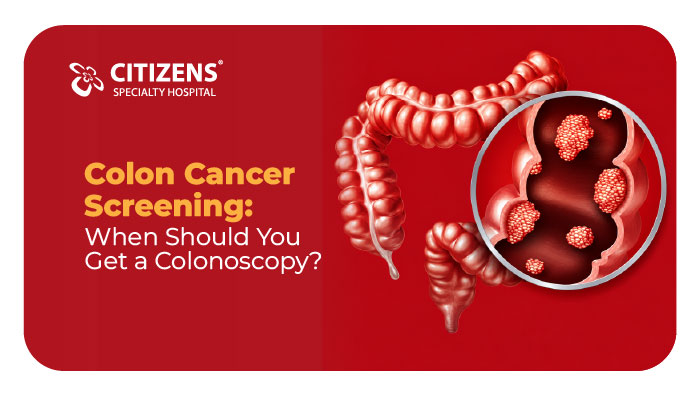
Colon cancer is one of the most preventable and treatable cancers when detected early, yet it remains a leading cause of cancer-related deaths. Regular screening, particularly through colonoscopy, plays a critical role in catching precancerous changes and early-stage cancer before symptoms even develop.
Why Is Colon Cancer Screening Important?
Colon cancer often develops slowly from precancerous polyps over several years, providing a valuable window for detection and prevention. Screening can:
When Should You Start Colon Cancer Screening?
Average Risk Individuals
Current guidelines recommend starting regular colon cancer screening at age 45 for people at average risk, continuing through age 75, with individualized decisions made for those between 76 and 85 based on overall health and prior screening history.
Higher Risk Individuals
You may need to start screening earlier or undergo more frequent testing if you have:
Types of Colon Cancer Screening Tests
Colonoscopy
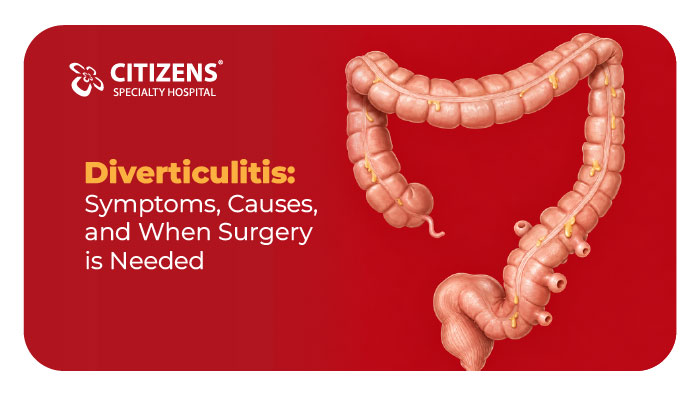
Considered the gold standard for colon cancer screening, colonoscopy allows direct visualization of the entire colon and rectum, with the ability to remove polyps during the same procedure.
Stool-Based Tests
Other Imaging-Based Tests
Importantly, any positive result from a stool-based or imaging test requires a follow-up colonoscopy for definitive evaluation and polyp removal.
What to Expect During a Colonoscopy
Preparation
During the Procedure
1. You’ll be given sedation to ensure comfort
2. A thin, flexible tube with a camera (colonoscope) is gently guided through the rectum and colon
3. The doctor examines the entire colon lining for polyps or abnormalities
4. Any polyps found are typically removed during the same procedure and sent for pathological examination
5. The procedure usually takes 30–60 minutes
After the Procedure
Recognizing Symptoms That Warrant Earlier Evaluation
Regardless of screening age recommendations, consult a doctor promptly if you experience:
Benefits of Early Detection
Colon cancer detected at an early, localized stage has a significantly higher survival rate compared to cancer detected after it has spread to other parts of the body. This dramatic difference underscores the importance of adhering to recommended screening schedules, even without symptoms.
Reducing Your Risk of Colon Cancer
While screening remains essential, certain lifestyle factors can also help reduce risk:
Addressing Common Concerns About Colonoscopy
“The Prep Is the Worst Part”
While bowel preparation can be uncomfortable, following instructions carefully ensures a thorough and accurate examination, reducing the need for repeat procedures.
“I’m Afraid of the Procedure Itself”
Most patients are sedated and have no memory of the procedure, with most people reporting the preparation as more challenging than the colonoscopy itself.
“I Don’t Have Symptoms, So I Don’t Need Screening”
Colon cancer and precancerous polyps often cause no symptoms in early stages, which is precisely why routine screening starting at the recommended age is so important.
Conclusion
Colon cancer screening, particularly through colonoscopy, is one of the most effective tools available for preventing and detecting colon cancer early. By understanding when to start screening and recognizing symptoms that warrant earlier evaluation, you can take a proactive role in protecting your long-term colon health.
Frequently Asked Questions
Q: How often do I need a colonoscopy if my results are normal? A: For average-risk individuals with normal results, colonoscopy is typically recommended every 10 years.
Q: Is colonoscopy painful? A: Most patients are sedated during the procedure and experience little to no discomfort, with mild bloating afterward being the most common sensation.
Q: What happens if a polyp is found during my colonoscopy? A: Most polyps can be removed during the same procedure and sent for pathology testing to determine if any further treatment or more frequent monitoring is needed.
Q: Can I choose a different screening test instead of colonoscopy? A: Yes, several screening options exist, though any abnormal result on alternative tests will require a follow-up colonoscopy.
Q: At what age can I stop colon cancer screening? A: Guidelines generally suggest continuing screening through age 75, with individualized decisions for older adults based on overall health and screening history.