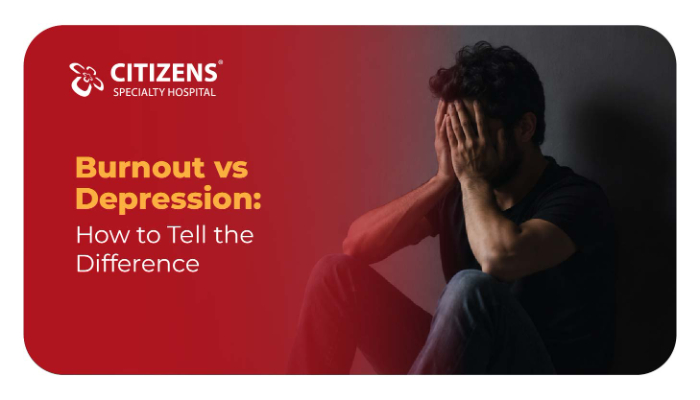
Many people find themselves constantly overwhelmed by work, personal responsibilities, or life challenges. As a result, terms like "burnout" and "depression" are often used interchangeably. However, while burnout and depression share several similar symptoms, they are distinct conditions that require different approaches to treatment and recovery.
What Is Burnout?
Burnout is a state of physical, emotional, and mental exhaustion caused by prolonged and excessive stress. It most commonly develops in response to chronic workplace stress, but it can also occur among caregivers, students, parents, and anyone dealing with persistent pressure and responsibilities.
The World Health Organization (WHO) classifies burnout as an occupational phenomenon rather than a medical condition. Burnout typically occurs when a person feels overwhelmed, emotionally drained, and unable to meet ongoing demands.
Common Symptoms of Burnout
1. Persistent Exhaustion
Individuals experiencing burnout often feel tired all the time, even after resting or sleeping.
2. Reduced Performance
Burnout can make it difficult to concentrate, stay productive, or complete everyday tasks effectively.
3. Emotional Detachment
People may begin to feel disconnected from their work, colleagues, or responsibilities.
4. Increased Cynicism
A once-enthusiastic employee may become negative, frustrated, or resentful about their job or daily activities.
5. Physical Complaints
Chronic headaches, muscle tension, digestive problems, and frequent illnesses may occur due to prolonged stress.
Causes of Burnout
Several factors can contribute to burnout, including:
Burnout usually develops gradually over time and is closely linked to identifiable stressors.
What Is Depression?
Depression is a serious mental health condition that affects how a person thinks, feels, and behaves. Unlike burnout, depression impacts multiple areas of life, including work, relationships, social interactions, and personal interests.
Depression goes beyond feeling sad or stressed. It involves persistent symptoms that last for weeks or months and significantly interfere with daily functioning.
Common Symptoms of Depression
1. Persistent Sadness
A person may experience ongoing feelings of sadness, emptiness, or hopelessness.
2. Loss of Interest
Activities that once brought joy or satisfaction may no longer feel enjoyable.
3. Changes in Appetite
Depression can cause significant weight loss or weight gain due to changes in eating habits.
4. Sleep Disturbances
Some individuals sleep excessively, while others struggle with insomnia.
5. Fatigue and Low Energy
Extreme tiredness may persist regardless of rest.
6. Difficulty Concentrating
People with depression often experience trouble focusing, remembering information, or making decisions.
7. Feelings of Worthlessness
Excessive guilt, self-criticism, or feelings of inadequacy are common.
8. Thoughts of Death or Suicide
In severe cases, depression may lead to suicidal thoughts or behaviors.
Burnout vs Depression: Key Differences
Although burnout and depression share symptoms such as exhaustion, reduced motivation, and difficulty concentrating, there are important differences.
| Feature | Burnout | Depression |
|---|---|---|
| Primary cause | Chronic stress, usually work-related | Multiple biological, psychological, and social factors |
| Scope | Often linked to specific situations | Affects all areas of life |
| Mood | Frustration, irritability, emotional exhaustion | Persistent sadness, hopelessness, emptiness |
| Motivation | Persistent sadness, hopelessness, emptiness | Loss of motivation persists across situations |
| Enjoyment | May still enjoy activities outside stressful environment | Significant loss of pleasure in most activities |
| Self-Esteem | Usually remains intact | Often associated with low self-worth and guilt |
| Recovery | Symptoms may improve with rest and stress reduction | Usually requires professional treatment and support |
Signs You May Be Experiencing Burnout
You may be experiencing burnout if:
For example, someone who feels exhausted during the workweek but regains energy and enthusiasm during vacations may be experiencing burnout.
Signs You May Be Experiencing Depression
You may be experiencing depression if:
Depression often extends beyond work-related stress and affects nearly every aspect of life.
Can Burnout Lead to Depression?
Yes. If burnout remains unaddressed for an extended period, it may increase the risk of developing depression.
Chronic stress can affect brain chemistry, sleep patterns, immune function, and emotional resilience. Over time, persistent burnout may contribute to feelings of hopelessness, helplessness, and emotional numbness—hallmarks of depression.
However, not everyone experiencing burnout will develop depression, and the two conditions can also occur simultaneously.
Shared Symptoms Between Burnout and Depression
The overlap between burnout and depression can make it challenging to distinguish between them.
Common shared symptoms include:
Because symptoms overlap, obtaining a professional assessment is often the best way to determine the underlying cause.
How Burnout Is Treated
Since burnout is closely related to chronic stress, treatment often focuses on reducing stressors and restoring balance.
Effective Strategies for Managing Burnout
1. Set Boundaries
Establish clear boundaries between work and personal life. Avoid checking emails or working outside designated hours whenever possible.
2. Prioritize Self-Care
Regular exercise, balanced nutrition, adequate sleep, and relaxation techniques can help restore energy.
3. Take Regular Breaks
Short breaks during the day and scheduled vacations can reduce mental fatigue.
4. Seek Workplace Support
Discuss workload concerns with supervisors or managers and explore options for flexibility or additional support.
5. Practice Stress Management Techniques
Mindfulness, meditation, yoga, and deep breathing exercises can help reduce stress levels.
6. Connect with Others
Talking with trusted friends, family members, or colleagues can provide emotional support.
How Depression Is Treated
Depression often requires professional intervention.
Common Treatment Approaches
Psychotherapy
Therapies such as Cognitive Behavioral Therapy (CBT) help individuals identify and change negative thought patterns.
Medication
Antidepressant medications may be recommended for moderate to severe depression.
Lifestyle Changes
Exercise, healthy eating, regular sleep, and social support can complement professional treatment.
When to Seek Professional Help
Consider seeking professional support if:
Mental health professionals can provide an accurate diagnosis and develop a personalized treatment plan.
If you or someone you know is experiencing thoughts of self-harm or suicide, seek immediate professional help or contact emergency services.
Preventing Burnout and Protecting Mental Health
While not all stress can be avoided, several strategies can help reduce the risk of burnout and support overall mental well-being:
Conclusion
Burnout and depression may look similar, but they are not the same. Burnout is typically linked to chronic stress and specific life circumstances, particularly work-related demands, whereas depression is a broader mental health condition that affects nearly every aspect of life.
Recognizing the differences is crucial for receiving the right support and treatment. If symptoms persist, worsen, or interfere with daily functioning, consulting a qualified mental health professional is an important step toward recovery.