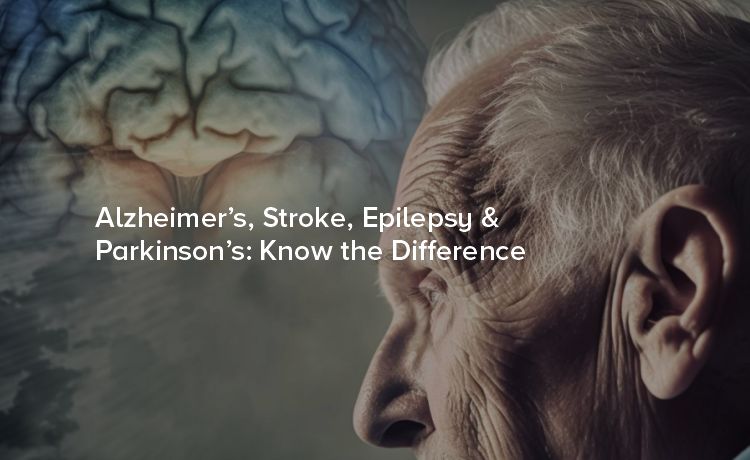
Neurological disorders like Alzheimer’s, stroke, epilepsy, and Parkinson’s disease affect millions of people worldwide. Although these conditions have some overlapping symptoms, they differ significantly in their causes, progression, and treatment approaches. Being able to understand and distinguish these disorders is critical, especially for early diagnosis and effective management.
Alzheimer’s disease is a progressive neurological condition and the most common cause of dementia. It impacts memory, thinking, and behavior, posing challenges to daily living and independence. The condition is characterized by the buildup of abnormal proteins in the brain, such as beta-amyloid plaques and tau tangles, which disrupt brain cell communication.
Common Symptoms
Risk Factors
Age is the most prominent risk factor, with the majority of Alzheimer’s cases affecting individuals over 65. Genetics, family history, and lifestyle factors (e.g., smoking or poor diet) also play a role.
Diagnosis and Treatment
Currently, there is no cure for Alzheimer’s. However, interventions such as medications and lifestyle changes can slow symptoms and improve quality of life. Early diagnosis allows individuals to plan for future care and participate in clinical trials.
What is a Stroke?
A stroke occurs when blood flow to the brain is interrupted or reduced, depriving brain cells of oxygen and nutrients. This can result in brain cell damage or death within minutes. Strokes can be classified as either ischemic (caused by blood clots) or hemorrhagic (caused by brain bleed).
Common Warning Signs (Remember FAST)
Risk Factors
Common stroke risk factors include high blood pressure, smoking, diabetes, obesity, and a sedentary lifestyle. Atrial fibrillation (an irregular heartbeat) can also increase the risk of ischemic stroke.
Treatment
Hemorrhagic strokes may require surgical intervention to stop the bleeding. Rehabilitation helps patients regain skills impacted by the stroke, such as speech or movement abilities.
What is Epilepsy?
Epilepsy is a neurological disorder marked by recurrent, unprovoked seizures. Seizures occur due to abnormal electrical activity in the brain, and their type and severity vary widely between individuals. Epilepsy affects people of all ages and is one of the most common neurological conditions globally.
Common Types of Seizures
Risk Factors
While the exact cause is unknown in most cases, factors like traumatic brain injury, infections, stroke, and genetic predisposition can contribute to developing epilepsy.
Management and Treatment
Epilepsy is often controlled using anti-seizure medications, which help regulate abnormal brain activity. For individuals who do not respond to medication, treatments such as vagus nerve stimulation, ketogenic diets, or surgery may be considered.
What is Parkinson’s Disease?
Parkinson’s disease is a progressive neurodegenerative disorder mainly affecting movement. It occurs when dopamine-producing neurons in the brain deteriorate, leading to motor and non-motor symptoms. Parkinson’s is more common among older adults, with a gradual onset of symptoms.
Common Symptoms
Risk Factors
Genetics, environmental exposures (e.g., pesticides), and age contribute to the risk of developing Parkinson’s. Men are slightly more affected than women.
Treatment
Although there is no cure, Parkinson’s is managed effectively with medications. Some individuals may benefit from surgical procedures like deep brain stimulation (DBS).
Understanding the unique characteristics of these disorders is essential to proper diagnosis and care. Here are the primary differences:

How Early Detection Can Make a Difference
Detecting these neurological disorders early can transform treatment outcomes. For example:
If you or someone you know exhibits symptoms of these conditions, seeking medical advice is crucial. Neurological conditions can progress quickly without timely attention.
Alzheimer’s, stroke, epilepsy, and Parkinson’s disease are complex and often misunderstood conditions. While they share some overlapping symptoms, each has a distinct cause and treatment protocol. Raising awareness about these differences not only facilitates early detection but also empowers individuals and caregivers to take informed steps toward effective management.