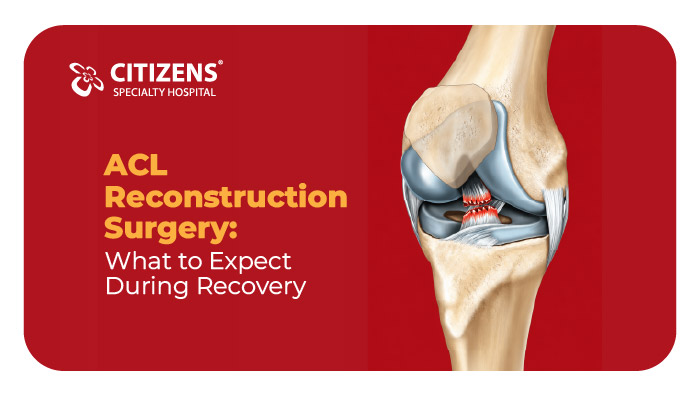
An ACL (anterior cruciate ligament) tear is one of the most common and feared sports injuries, often requiring surgical reconstruction to restore knee stability. If you’re facing ACL reconstruction surgery, understanding the recovery process can help you set realistic expectations and approach rehabilitation with confidence.
What Is the ACL and Why Does It Tear?
The ACL is one of the key ligaments stabilizing the knee joint, connecting the thigh bone (femur) to the shin bone (tibia). It’s crucial for controlling rotational movement and preventing the shin bone from sliding too far forward relative to the thigh bone.
Common Causes of ACL Tears
Sports like soccer, basketball, football, and skiing carry particularly high risk due to their demands on rapid directional changes.
Signs of an ACL Injury
Diagnosing an ACL Tear
Is Surgery Always Necessary?
Not every ACL tear requires surgery. Factors influencing this decision include:
Some individuals, particularly those with lower activity demands, may successfully manage partial tears through physical therapy alone.
ACL Reconstruction Surgery Overview
ACL reconstruction involves replacing the torn ligament with a graft, since the ACL doesn’t heal well on its own when torn.
Graft Options
Surgical Technique
ACL reconstruction is typically performed arthroscopically (minimally invasively), using small incisions and a camera to guide the procedure. The surgeon removes the torn ligament remnants and secures the new graft in place using screws or other fixation devices.
Recovery Timeline After ACL Reconstruction
Phase 1: Immediate Post-Surgery (Weeks 1–2)
Phase 2: Early Rehabilitation (Weeks 3–6)
Phase 3: Strength Building (Weeks 6–12)
Phase 4: Functional Training (Months 3–6)
Phase 5: Return to Sport (Months 6–12)
Full recovery, particularly for high-level athletes returning to competitive sports, often takes 9–12 months, emphasizing the importance of patience throughout rehabilitation.
Physical Therapy: The Cornerstone of Recovery
Consistent, structured physical therapy is essential for successful ACL recovery, focusing on:
Reducing the Risk of Reinjury
Potential Complications
While ACL reconstruction has a high success rate, potential complications include:
Conclusion
ACL reconstruction surgery offers an effective path back to an active lifestyle for those with significant knee instability following a tear. While recovery requires patience and dedication to a structured rehabilitation program spanning many months, most patients achieve excellent outcomes and successfully return to their desired activity level.
Frequently Asked Questions
Q: How soon after injury should ACL surgery be performed? A: Timing varies based on individual factors, but many surgeons prefer to wait until initial swelling subsides and range of motion improves, often a few weeks after injury.
Q: Will I be able to return to my previous level of sport? A: Many athletes successfully return to their previous level of competition after thorough rehabilitation, though outcomes vary based on the individual and injury complexity.
Q: How long will I need to use crutches after surgery? A: This varies, but many patients transition off crutches within one to two weeks, depending on their surgeon’s specific protocol and individual progress.
Q: Is ACL reconstruction surgery painful? A: Some pain and discomfort are expected after surgery, but this is managed effectively with medication and typically improves significantly within the first few weeks.
Q: Can I injure my ACL again after reconstruction? A: Yes, reinjury is possible, particularly with premature return to sport or incomplete rehabilitation, which is why following the full recovery timeline is crucial.