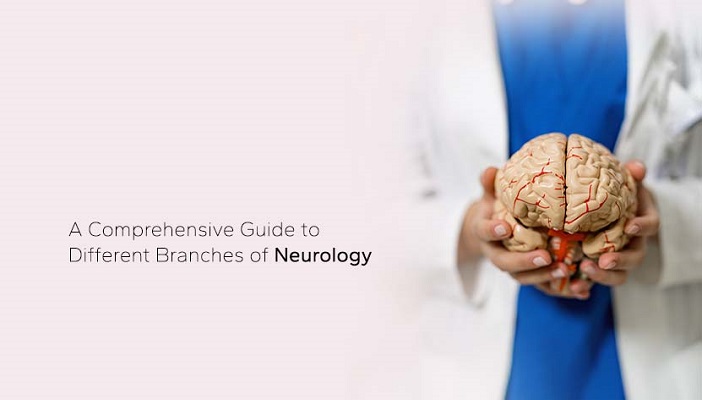
Neurology is a rapidly evolving branch of medicine that deals with the diagnosis and treatment of disorders affecting the nervous system. Just as the human brain is a network of intricate systems, neurology is a multifaceted field that studies the brain, spinal cord, peripheral nerves, and muscles from various angles. A patient suffering from any neurological disorder needs to be attended by experienced neurologists at the best neurology hospital in Hyderabad.
Let’s dissect various areas of expertise performed by neurology doctor in Hyderabad and look at the skills needed to diagnose and manage neurological conditions effectively.
1. General Neurology: General neurology serves as the foundation of the field, encompassing a broad spectrum of disorders affecting the central and peripheral nervous systems. They are trained to identify and treat common ailments such as migraines, epilepsy, neuropathy, and Parkinson’s disease. These specialists work closely with other healthcare professionals, coordinating care via neurological examinations, diagnostic tests, and developing individualized treatment plans.
2. Neurophysiology: Neurophysiology is a study that involves examining electrical activity in the nervous system through specialised tests, for example those used in diagnosing epilepsy, peripheral neuropathy or neuromuscular disorders. Neurophysiologists have expertise in performing electroencephalograms (EEGs), nerve conduction studies (NCS), electromyography (EMG) and tests which assess nerve and muscle function, informing decisions about their treatment.
3. Neuroimaging: Structural abnormalities together with functional ones occurring within the brain or spinal cord can be visualised using advanced techniques like MRI, CT scans and PET scans, among other tools found in neuroimaging unit. These diagnostic tools help in screening patients for multiple sclerosis, tumors, strokes, Parkinson’s disease, etc.
4. Behavioral Neurology: This area of specialisation examines how brain disorders modify cognitive functions, emotional conditions or social interactions through which information is passed by our sensory organs such as eyes, ears, nose, among others. For instance, behavioral neurologists focus on diagnosing and managing conditions like Alzheimer’s disease, stroke related cognitive impairment and traumatic brain injury. They employ neuropsychological assessments, behavioral observations and imaging studies to evaluate cognitive deficits and develop tailored interventions for patients and their families.
5. Neurocritical Care: Neurocritical care is a subspecialty within neurology dealing with the management of critically ill patients suffering from acute neurological diseases such as stroke TBI (traumatic brain injury) or ICH (intracranial hemorrhage). Therefore, it is a branch dedicated entirely to emergency medicine provided in ICUs or high-risk wards where medical teams take precautions to save lives, reduce morbidity/mortality and maximize quality of life despite complexity that comes with such form of intensive care unit procedures.
Neurology covers a wide range of subspecialties and specialties that work together to improve brain functionality and focus on excellent treatment for patients suffering from any kind of brain disorder. Being the best neurology hospital in Hyderabad, the Citizens Specialty Hospital has an excellent combination of multidisciplinary approaches enabled by advanced technologies along with compassionate care ensuring proper treatment of the patients.