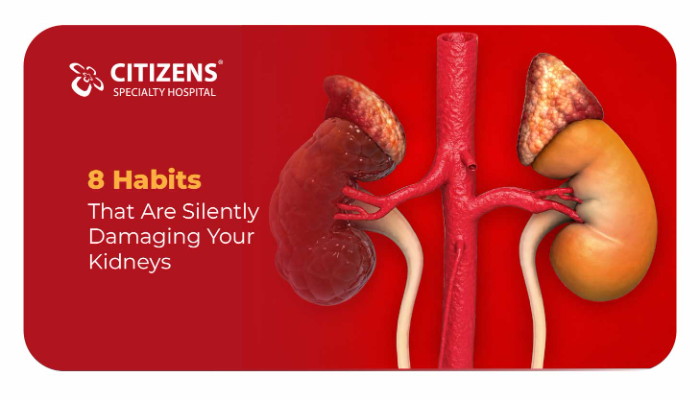
The kidneys are among the most vital organs in the human body, yet they often receive very little attention until a serious problem develops. These bean-shaped organs, located on either side of the spine, perform several essential functions, including filtering waste products from the blood, maintaining fluid and electrolyte balance, regulating blood pressure, producing hormones, and supporting red blood cell production.
Despite their remarkable ability to function efficiently, kidneys are vulnerable to damage caused by everyday habits. Many people unknowingly engage in behaviors that gradually impair kidney function over time. Since kidney disease often progresses silently without obvious symptoms, early damage may go unnoticed until significant loss of kidney function has already occurred.
Understanding the Importance of Kidney Health
Before discussing harmful habits, it is important to understand what kidneys do.
Healthy kidneys:
When kidneys become damaged, waste products accumulate in the body, leading to complications such as:
Because kidney disease can develop gradually and silently, prevention is always better than treatment.
1. Drinking Too Little Water
One of the simplest yet most overlooked causes of kidney damage is inadequate water intake.
Water helps kidneys remove toxins and excess sodium through urine. When the body is dehydrated, blood flow to the kidneys decreases, making it difficult for them to perform their filtration functions efficiently.
How dehydration affects kidneys
Chronic dehydration over many years can contribute to progressive kidney damage.
Signs of dehydration
What you should do
The exact amount of water needed varies depending on age, climate, activity level, and medical conditions.
2. Excessive Salt Consumption
Modern diets are often loaded with salt, especially from processed and packaged foods.
Excess sodium forces the kidneys to work harder and can raise blood pressure, one of the leading causes of chronic kidney disease.
Common high-sodium foods include:
Why excess salt is harmful
High sodium intake:
Healthy recommendations
Adults should generally limit sodium intake to less than 2,300 mg per day unless advised otherwise by a healthcare provider.
3. Overusing Painkillers
Many people take over-the-counter pain medications frequently without realizing their potential impact on kidney health.
Non-steroidal anti-inflammatory drugs (NSAIDs) such as ibuprofen, diclofenac, and naproxen can reduce blood flow to the kidneys.
Frequent or prolonged use can significantly increase the risk of kidney injury.
People at higher risk include:
Potential consequences
How to protect yourself
4. Ignoring High Blood Pressure
High blood pressure, or hypertension, is often called the "silent killer" because it usually causes no symptoms.
It is also one of the leading causes of kidney failure.
Elevated blood pressure damages the tiny blood vessels within the kidneys, reducing their ability to filter blood effectively.
Why this matters
Damaged kidney blood vessels:
Over time, uncontrolled hypertension can permanently damage kidney tissue.
Steps to control blood pressure
Early blood pressure control significantly lowers the risk of kidney disease.
5. Uncontrolled Diabetes
Diabetes is among the most common causes of chronic kidney disease worldwide.
Persistently high blood sugar levels damage the delicate filtering units called nephrons.
This condition, known as diabetic nephropathy, can eventually lead to kidney failure if left untreated.
Warning signs of diabetic kidney disease
However, many patients experience no symptoms in early stages.
How to protect your kidneys
Maintaining good blood sugar control is one of the most effective ways to preserve kidney health.
6. Holding Urine for Long Periods
Many individuals routinely delay urination due to work commitments, travel, or convenience.
Occasionally postponing urination may not be harmful, but making it a regular habit can negatively affect urinary tract and kidney health.
Potential complications include:
Frequent urinary infections can ascend to the kidneys and cause serious complications.
Healthy habits
7. Eating Excessive Processed and Sugary Foods
A diet high in processed foods and refined sugars contributes to obesity, diabetes, and hypertension—all major risk factors for kidney disease.
Highly processed foods often contain:
Common examples
How these foods affect kidneys
Kidney-friendly dietary choices
Choose:
A balanced diet plays a crucial role in long-term kidney health.
8. Smoking and Excessive Alcohol Consumption
Smoking and heavy alcohol use can significantly impair kidney function.
Smoking harms kidneys by:
Smokers are more likely to develop proteinuria (protein leakage in urine), a key indicator of kidney damage.
Excessive alcohol intake can:
What you can do
Stopping smoking can substantially reduce the risk of kidney and cardiovascular diseases.
Early Warning Signs of Kidney Problems
Kidney disease may not cause symptoms in its initial stages. However, consult a healthcare professional if you experience:
Early detection can slow or even prevent disease progression.
Tips to Keep Your Kidneys Healthy
Protecting your kidneys does not require drastic changes. Small, consistent lifestyle modifications can make a significant difference.
Follow these kidney-friendly practices:
✓ Stay well hydrated.
✓ Exercise regularly.
✓ Maintain a healthy weight.
✓ Monitor blood pressure and blood sugar levels.
✓ Eat a balanced, low-salt diet.
✓ Avoid smoking and excessive alcohol.
✓ Take medications only under medical supervision.
✓ Get regular health check-ups and kidney screening if you have diabetes, hypertension, or a family history of kidney disease.
Conclusion
Kidneys work tirelessly every day to keep the body healthy, but many common lifestyle habits can silently damage them over time. Drinking insufficient water, consuming excess salt, overusing painkillers, ignoring diabetes and hypertension, delaying urination, eating unhealthy foods, and smoking are all habits that can gradually impair kidney function.
The encouraging news is that most kidney disease risk factors are preventable. By recognizing these harmful habits early and making healthier lifestyle choices, individuals can significantly reduce their risk of kidney disease and preserve kidney function for years to come.