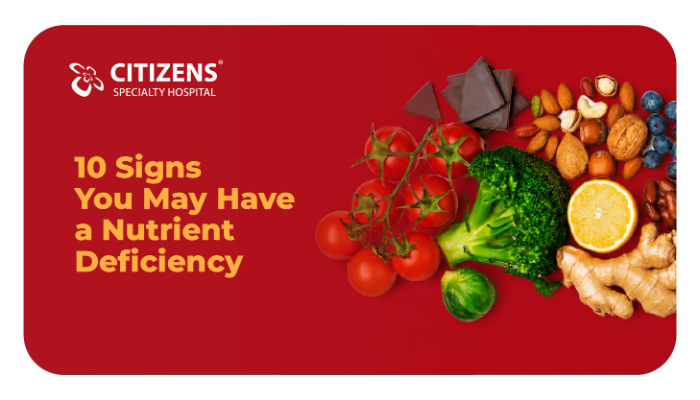
Nutrition plays a vital role in maintaining overall health and well-being. Every cell, tissue, and organ in the body requires essential vitamins and minerals to function properly. However, modern lifestyles, poor dietary habits, stress, medical conditions, and restrictive diets can often lead to nutrient deficiencies. Unfortunately, many people overlook the subtle signs their bodies give, mistaking them for everyday fatigue or stress.
A nutrient deficiency occurs when the body does not receive or absorb enough essential nutrients required for normal functioning. Over time, even mild deficiencies can affect energy levels, immunity, mental health, skin health, and overall quality of life.
1. Persistent Fatigue and Low Energy
Feeling tired occasionally is normal, especially after a busy day or inadequate sleep. However, constant fatigue that persists despite sufficient rest may indicate an underlying nutrient deficiency.
Several nutrients are crucial for energy production, including:
Iron Deficiency
Iron is essential for producing hemoglobin, the protein in red blood cells that carries oxygen throughout the body. Low iron levels reduce oxygen delivery to tissues, leading to:
Vitamin B12 Deficiency
Vitamin B12 supports nerve function and red blood cell production. Deficiency can result in:
Individuals following strict vegetarian or vegan diets are particularly at risk.
2. Frequent Illnesses and Infections
If you seem to catch every cold or infection going around, your immune system may not be functioning optimally.
Several nutrients are essential for strong immunity, including:
Common Signs Include:
Vitamin D deficiency, in particular, has been associated with increased susceptibility to infections because it helps regulate immune responses.
Similarly, zinc deficiency can impair immune cell activity, making it harder for the body to fight pathogens.
3. Hair Loss or Excessive Hair Shedding
Losing around 50 to 100 strands of hair daily is considered normal. However, excessive hair thinning or sudden hair loss may indicate nutritional deficiencies.
Key nutrients involved in healthy hair growth include:
Iron Deficiency and Hair Loss
Iron deficiency is one of the most common causes of hair shedding, particularly among women.
Other symptoms may include:
Protein Deficiency
Hair is primarily composed of protein. Inadequate protein intake may push hair follicles into a resting phase, causing increased shedding.
People following highly restrictive diets may experience noticeable hair thinning over time.
4. Brittle Nails and Cracked Skin
Healthy nails and skin often reflect good nutritional status.
Nutrient deficiencies can manifest as:
Potential Nutrient Deficiencies
Biotin Deficiency
Biotin (Vitamin B7) supports healthy skin, hair, and nails. Deficiency may cause:
Zinc Deficiency
Low zinc levels can lead to:
Essential Fatty Acid Deficiency
Omega-3 fatty acids help maintain skin hydration and integrity. Inadequate intake may contribute to dry, flaky skin.
5. Mouth Ulcers and Cracks at the Corners of the Mouth
Painful mouth sores or cracks at the edges of the lips (angular cheilitis) can sometimes indicate nutritional deficiencies.
Common deficiencies associated with these symptoms include:
Symptoms May Include:
Research suggests that individuals experiencing recurrent oral ulcers may have lower levels of certain B vitamins and iron.
6. Pale Skin or Pale Inner Eyelids
Skin color can provide valuable clues about nutritional status.
Pale skin or pale inner eyelids often suggest anemia, particularly iron-deficiency anemia.
Causes
Iron is essential for hemoglobin production. Without adequate iron, blood carries less oxygen, leading to:
Vitamin B12 and folate deficiencies can also contribute to anemia and pallor.
If pale skin develops suddenly or is accompanied by severe symptoms, medical evaluation is recommended.
7. Muscle Cramps, Twitching, or Weakness
Occasional muscle cramps are common, especially after exercise. However, frequent cramps or unexplained muscle weakness may signal nutrient deficiencies.
Important nutrients for muscle function include:
Magnesium Deficiency
Magnesium plays a role in hundreds of biochemical reactions, including muscle contraction and nerve function.
Symptoms may include:
Vitamin D Deficiency
Low vitamin D levels can contribute to:
8. Numbness, Tingling, or Burning Sensations
Experiencing pins-and-needles sensations in the hands or feet should not be ignored.
These symptoms may indicate deficiencies in:
Vitamin B12 Deficiency
Vitamin B12 is crucial for maintaining healthy nerve cells.
Deficiency may lead to:
Long-term deficiency can cause irreversible nerve damage if left untreated.
Older adults, individuals with digestive disorders, and strict vegans are at greater risk.
9. Mood Changes, Irritability, and Difficulty Concentrating
Nutrients significantly influence brain health and emotional well-being.
Deficiencies in several vitamins and minerals have been linked to mood disturbances.
Nutrients Involved Include:
Possible Symptoms
For example, low vitamin D levels have been associated with depressive symptoms, while iron deficiency may impair cognitive function and attention.
10. Poor Bone Health and Frequent Fractures
Bones require adequate nutrients to remain strong throughout life.
Nutrient deficiencies affecting bone health include:
Warning Signs
Vitamin D Deficiency
Vitamin D helps the body absorb calcium. Inadequate levels may weaken bones, increasing the risk of conditions such as osteomalacia and osteoporosis.
Individuals with limited sun exposure, older adults, and people with darker skin tones may be at increased risk.
Who Is at Higher Risk of Nutrient Deficiencies?
Certain groups are more vulnerable to developing deficiencies, including:
Medical conditions such as celiac disease, inflammatory bowel disease, and chronic kidney disease can also impair nutrient absorption.
How to Prevent Nutrient Deficiencies
Preventing deficiencies typically involves maintaining a balanced, nutrient-rich diet.
Eat a Variety of Foods
Include foods from all major food groups:
Focus on Nutrient-Dense Foods
Examples include:
Avoid Extreme Diets
Highly restrictive eating patterns can increase the risk of missing essential nutrients.
Consider Supplements When Necessary
Supplements may be beneficial in certain situations, but they should ideally be taken under medical supervision to avoid excessive intake.
Get Regular Health Check-Ups
Routine blood tests can help detect deficiencies before symptoms become severe.
When Should You See a Doctor?
Consult a healthcare professional if you experience:
Self-diagnosing nutrient deficiencies can be misleading because many symptoms overlap with other medical conditions. Proper evaluation, including blood tests and medical assessment, is essential for accurate diagnosis and treatment.
Conclusion
Nutrient deficiencies often develop gradually, making them easy to overlook. Symptoms such as fatigue, hair loss, muscle cramps, poor concentration, or frequent illnesses may be your body's way of signaling that something is missing.
Paying attention to these warning signs and maintaining a balanced diet can help support optimal health. If you suspect a nutrient deficiency, seeking professional medical advice is the best way to identify the underlying cause and receive appropriate treatment.