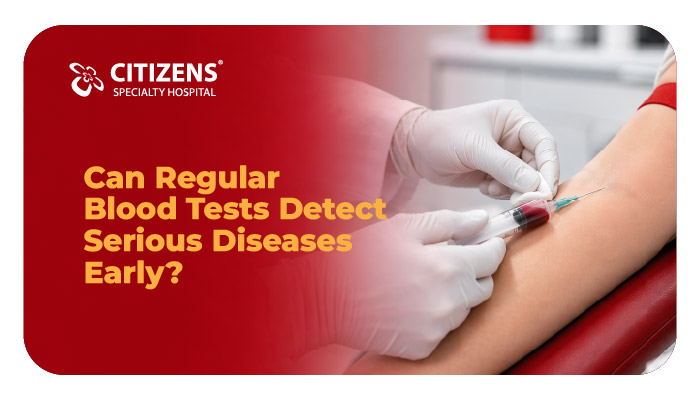
A simple blood draw provides a profound window into your body’s internal functions. It allows healthcare professionals to monitor vital organs, assess immune function, and track metabolic processes. By analyzing these critical markers, doctors can identify subtle shifts in your health long before physical symptoms appear.
How Blood Tests Act as an Early Warning System
Blood circulates through every part of the human body, supplying oxygen and nutrients while removing waste products. Because of this continuous circulation, blood carries microscopic evidence of how well your organs are functioning. When an organ is under stress or a disease begins to take root, specific proteins, enzymes, or cell counts in the blood will often change.
Physicians use these microscopic changes as diagnostic clues. Establishing a baseline of your normal blood levels during periods of good health makes it much easier to spot abnormal trends over time. Early detection often shifts the medical approach from managing a severe illness to simply adjusting your lifestyle or taking preventive medication.
Serious Conditions Detectable Through Routine Blood Work
Routine blood tests are remarkably versatile. While they cannot diagnose every possible illness on their own, they are instrumental in identifying the early markers of several major health threats.
Cardiovascular Disease
Heart disease remains a leading health concern globally, but it is highly manageable when detected early. A standard lipid panel measures different types of cholesterol and triglycerides in your blood. High levels of low-density lipoprotein (LDL) cholesterol or elevated triglycerides can indicate a significant risk of plaque buildup in your arteries, prompting early interventions to prevent heart attacks or strokes.
Diabetes and Metabolic Disorders
Type 2 diabetes often develops gradually over several years. A fasting blood glucose test or a Hemoglobin A1C test measures your average blood sugar levels. These tests can identify prediabetes—a state where blood sugar levels are higher than normal but not yet high enough for a diabetes diagnosis. Catching this early allows patients to reverse the trend through dietary adjustments and exercise.
Kidney and Liver Dysfunction
Your kidneys and liver are responsible for filtering toxins from your body. A Comprehensive Metabolic Panel (CMP) evaluates the health of these vital organs by measuring substances like blood urea nitrogen (BUN), creatinine, and various liver enzymes. Elevated levels of these markers can signal early-stage liver disease or declining kidney function, conditions that typically show no early physical symptoms.
Certain Cancers
While a biopsy is usually required to definitively diagnose cancer, blood tests frequently provide the first clue that something is wrong. A Complete Blood Count (CBC) might reveal abnormal white blood cell levels, pointing toward leukemia or lymphoma. Additionally, specific tumor markers, such as the Prostate-Specific Antigen (PSA) for prostate cancer, can be measured to assess risk and guide further diagnostic testing.
What to Expect from Your Annual Lab Work
When you visit your physician for a routine check-up, they will likely order a specific set of standard tests. These panels provide a comprehensive overview of your general health:
Discussing these results with your doctor ensures that you understand your current health status and any steps you need to take to maintain or improve it.
Partnering with Experts for Your Long-Term Health
Committing to regular health screenings is a profound investment in your future. By identifying potential issues before they become emergencies, you give yourself the best possible chance at a long, healthy, and active life.
At Citizen Specialty Hospital, we are dedicated to providing compassionate, comprehensive, and highly personalized care. If you are due for your annual health check or wish to discuss specific health concerns, we encourage you to visit the Department of General Medicine at Citizen Specialty Hospital. Our expert physicians utilize state-of-the-art diagnostic facilities to provide accurate assessments and tailor preventive care plans to your unique needs. Schedule your comprehensive wellness evaluation today and take a confident step toward lifelong health.