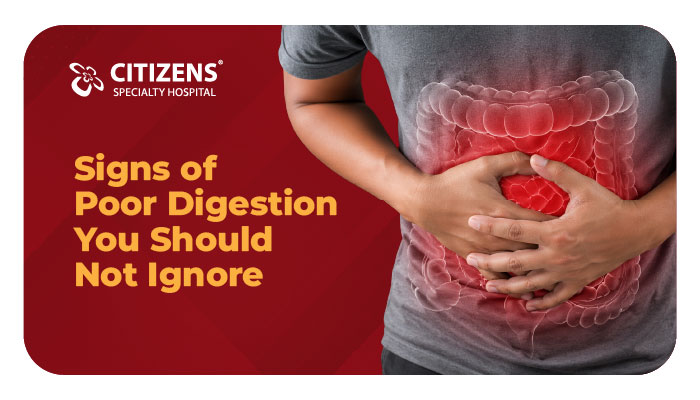
Digestion is the foundation of your overall well-being. It breaks down the food you eat, absorbs essential nutrients, and fuels every system in your body. When this complex process slows down or malfunctions, your entire body feels the impact, often in surprising ways.
Many people experience mild discomfort after a heavy meal. However, persistent digestive issues are a clear signal from your body that something requires professional attention. Overlooking these early warnings can lead to more severe health complications down the line.
Key Indicators of a Compromised Digestive System
Your body communicates through symptoms. Paying close attention to these daily signals can help you catch digestive issues before they escalate into chronic conditions.
Chronic Bloating and Gas
Occasional bloating happens to everyone, especially after consuming a large or particularly fibrous meal. Experiencing a tight, swollen abdomen on a daily basis is entirely different. This uncomfortable symptom often points to an imbalance in your gut bacteria, known as the gut microbiome. It can also indicate an inability to properly break down certain foods, leading to excess gas production as undigested food ferments in your digestive tract.
Unexplained Weight Fluctuations
Sudden weight loss or gain without a change in diet or exercise habits can be highly concerning. Poor digestion might prevent your body from absorbing calories and essential nutrients properly, leading to unintended weight loss. Conversely, an overgrowth of certain gut bacteria can extract excess calories from your food or cause severe insulin resistance, leading to unexpected weight gain.
Persistent Heartburn and Acid Reflux
Experiencing a burning sensation in your chest frequently indicates that stomach acid is escaping into your esophagus. Occasional heartburn is normal, but chronic acid reflux can damage the delicate lining of your throat. Over time, this constant irritation disrupts your daily life and can lead to more serious conditions like gastroesophageal reflux disease (GERD).
Irregular Bowel Movements
Healthy digestion typically results in regular, pain-free bowel movements. Frequent bouts of constipation, diarrhea, or a constant alternation between the two suggest that your digestive tract is struggling to process waste effectively. Pay close attention to sudden changes in your normal routine, as these are often the most obvious signs that your digestive system needs medical support.
Skin Irritations and Flare-Ups
Your skin often reflects the internal health of your gut. Medical professionals increasingly recognize the strong connection between gut health and skin conditions. Issues like eczema, rosacea, and severe acne have strong links to inflammation originating in the digestive tract. Treating the skin alone may not resolve the underlying issue if poor digestion remains the root cause.
Constant Fatigue and Low Energy
The digestive process requires energy, but it should not leave you feeling entirely depleted. If your body cannot absorb essential nutrients like iron, magnesium, or vitamin B12 due to poor digestion, your energy levels will plummet. You may experience chronic fatigue, brain fog, and general weakness, even after a full night of sleep.
Newly Developed Food Intolerances
Struggling to digest foods you previously enjoyed without issue is a major red flag. This often happens when your gut lining becomes compromised. A weakened gut lining makes it difficult for your body to produce the specific enzymes needed to break down certain proteins and sugars, such as gluten or lactose.
Conclusion
Listen to your body carefully. These physical symptoms are its way of communicating that your digestive system needs immediate support and care. You deserve to feel comfortable, nourished, and energized every single day.
If you recognize any of these signs of poor digestion, do not dismiss them as normal. Scheduling a consultation with a healthcare professional can help you identify the root cause of your discomfort. With expert guidance and a personalized treatment plan, you can successfully heal your gut and reclaim your quality of life.