Polycystic Ovary Syndrome (PCOS) is a common hormonal disorder that affects many women of reproductive age. It is characterized by a variety of symptoms that can range from mild to severe. Women with PCOS often experience irregular menstrual cycles, excessive hair growth, and problems with fertility. Although it’s a widespread condition, PCOS is still underdiagnosed in many cases, making it important for women to understand its causes, symptoms, and available treatments. Seeking early care and advice from a gynaecology hospital in Hyderabad can provide patients with the best management options.
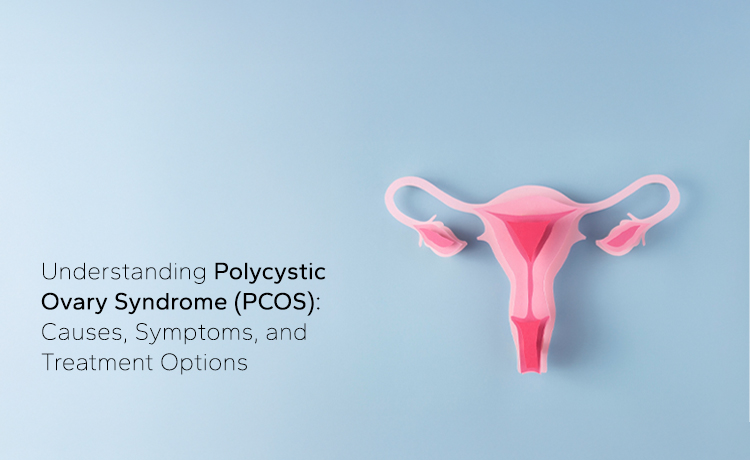
PCOS occurs when a woman’s ovaries produce an excess of male hormones called androgens. This imbalance can affect the development of ovarian follicles, which are necessary for regular ovulation. Instead of releasing eggs as they should, the ovaries may develop numerous small cysts that can interfere with normal reproductive processes. Although the exact cause of PCOS remains unknown, factors such as genetics, insulin resistance, and hormonal imbalances are believed to play a role in its development.
The exact cause of PCOS is still not fully understood, but several factors have been identified as potential contributors:
Genetics: Women with a family history of PCOS are more likely to develop the condition themselves. If your mother or sister has PCOS, you may have a higher risk.
Hormonal Imbalance: An imbalance of hormones such as increased androgens (male hormones) and insulin resistance is a key factor in the development of PCOS.
Insulin Resistance: Many women with PCOS have higher levels of insulin, a hormone that helps regulate blood sugar. Insulin resistance can cause the body to produce more insulin, leading to weight gain and other metabolic issues associated with PCOS.
Low-grade Inflammation: Studies suggest that women with PCOS may have low-grade inflammation in their body, which may contribute to the condition’s symptoms, such as acne, excessive hair growth, and weight gain.
The symptoms of PCOS vary widely among women, but the most common include:
Irregular Periods: One of the hallmark symptoms of PCOS is irregular menstrual cycles, often longer than 35 days between periods, or sometimes even fewer than eight periods a year.
Excessive Hair Growth: Women with PCOS may develop hirsutism, which is excessive hair growth on areas such as the face, chest, abdomen, or back, due to higher levels of androgens.
Acne and Oily Skin: Increased androgen levels can lead to acne, often seen on the face, chest, and upper back.
Scalp Thinning and Hair Loss: Some women with PCOS may experience thinning hair on the scalp, often referred to as female pattern baldness.
Infertility: PCOS can affect ovulation, making it difficult for women to conceive. It is one of the leading causes of infertility in women.
Weight Gain: Many women with PCOS struggle with weight gain, particularly around the abdomen. This is partly due to insulin resistance.
Skin Tags and Darkening of Skin: Some women with PCOS may develop dark, velvety patches of skin, particularly in areas like the neck, underarms, and groin.
While there is no cure for PCOS, the condition can be managed effectively through a combination of lifestyle changes, medications, and, in some cases, surgery. Early intervention through gynaecology treatment in Hyderabad can help manage the symptoms and reduce long-term risks such as diabetes, heart disease, and infertility.
Lifestyle Modifications: Managing weight is essential for women with PCOS. Regular physical activity and a healthy diet rich in whole grains, fruits, vegetables, and lean proteins can help regulate insulin levels and promote healthy weight management. Losing just 5-10% of body weight can improve symptoms, especially those related to ovulation and insulin resistance.
1. Birth Control Pills: These can regulate menstrual cycles and reduce symptoms like acne and excessive hair growth. They work by lowering androgen levels and normalizing hormones.
2. Metformin: This medication is often prescribed for women with PCOS who have insulin resistance. It helps regulate insulin levels and can improve ovulation.
3. Anti-Androgen Medications: Drugs like spironolactone can help reduce hair growth and acne by blocking the effects of androgens.
4. Fertility Medications: For women who are struggling with infertility, medications like Clomid or letrozole can help stimulate ovulation.
5. Surgical Treatment: In cases where medications do not help with fertility, surgery may be an option. One common procedure is ovarian drilling, where small holes are made in the ovaries to reduce the production of androgens and restore normal ovulation.
6. Cosmetic Treatments: For cosmetic concerns like excessive hair growth and acne, treatments such as laser hair removal, electrolysis, or topical medications like retinoids can be effective in managing symptoms.
For women seeking effective gynaecology treatment in Hyderabad, Citizens Specialty Hospital offers expert care in managing PCOS. The hospital’s gynaecology department is equipped with advanced diagnostic tools and a team of experienced specialists who understand the unique needs of women with PCOS. At Citizens Specialty Hospital, women receive personalized treatment plans that are designed to alleviate symptoms, regulate menstrual cycles, improve fertility, and reduce the risk of long-term complications associated with the condition.
In conclusion, PCOS is a manageable condition, and with early diagnosis and appropriate treatment, women can lead healthy, fulfilling lives. Gynaecology hospitals in Hyderabad like Citizens Specialty Hospital provide comprehensive care for women with PCOS, offering a range of treatment options to manage symptoms and improve overall health. With expert guidance and advanced treatments, women can effectively control their PCOS symptoms and reduce the risk of complications. If you suspect you have PCOS or are looking for expert care, visit Citizens Specialty Hospital for the best gynaecology treatment in Hyderabad.