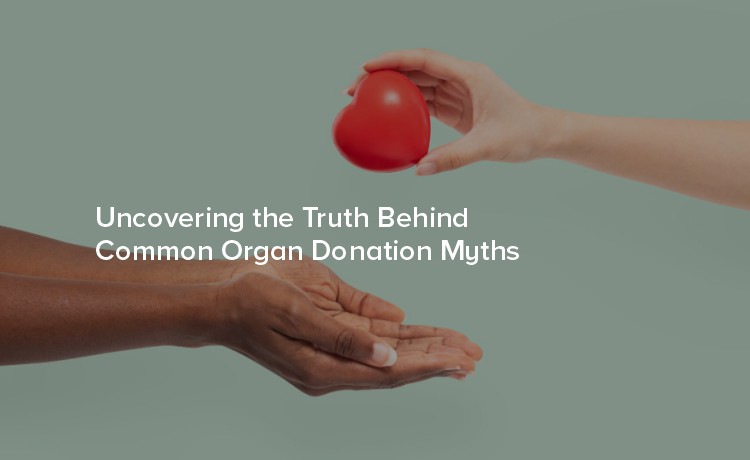
Organ donation saves lives—this fundamental truth remains constant despite the misconceptions that continue to circulate. Myths and misinformation prevent potentially life-saving donations from occurring. These persistent misunderstandings create barriers between patients in desperate need and the gift of life that organ donation represents.
Understanding the facts about organ donation empowers you to make informed decisions about this deeply personal choice. Whether you're considering becoming a donor, supporting a loved one through the decision-making process, or simply seeking accurate information, separating fact from fiction is essential. Medical professionals encounter these myths regularly in their practice and addressing them with compassion and clarity helps families navigate one of life's most profound decisions.
This misconception represents one of the most significant barriers to organ donation registration. The reality contradicts this fear entirely: medical teams responsible for patient care operate completely separately from transplant teams. Your attending physicians, emergency room doctors, and intensive care specialists focus exclusively on saving your life using every available medical intervention.
Organ donation becomes a consideration only after all life-saving measures have been exhausted and brain death has been declared according to strict medical and legal criteria. The transplant coordinator—a specialized professional who manages the donation process—only becomes involved after death has been determined by the medical team treating you.
Hospital protocols mandate this separation to ensure no conflicts of interest exist. Your medical record indicates your donor status, but this information doesn't influence treatment decisions. Physicians take an oath to preserve life above all else, and this commitment remains unwavering regardless of donation preferences.
Many people assume they're too old, too young, or too unhealthy to become organ donors. Medical science has expanded the criteria for donation significantly, making it possible for individuals previously considered ineligible to save lives through donation.
Age limitations have become much more flexible. The oldest organ donor on record was 95 years old, while the youngest was a newborn. Medical professionals evaluate organs individually based on function rather than chronological age. 70-year-old’s kidneys might function excellently for transplantation, while their heart might not meet transplant criteria.
Medical conditions don't automatically disqualify potential donors either. Individuals with diabetes, high blood pressure, or even certain cancers may still donate organs or tissues. The key factors include organ function at the time of death and the specific needs of potential recipients. Even when organs aren't suitable for transplantation, tissues such as corneas, skin, bone, and tendons might still benefit recipients.
The evaluation process occurs at the time of death, when medical professionals can assess organ viability accurately. Rather than self-selecting out of donation, individuals should register as donors and allow medical experts to make these determinations when the time comes.
Families often worry that organ donation will alter their loved one's appearance or prevent them from holding traditional funeral. These concerns stem from misunderstandings about surgical procedures involved in organ recovery.
Organ recovery follows the same surgical standards as any other operation. Surgeons make precise incisions and close them with the same care given to living patients. The chest and abdomen are surgically reopened and closed, while tissue recovery from arms and legs occurs through techniques that don't affect visible areas when the body is dressed.
Financial concerns shouldn't influence donation decisions, as families never pay costs associated with organ donation. The recipient's insurance, Medicare, or the organ procurement organization covers all expenses related to donation, including medical care after brain death declaration, organ recovery surgery, and transportation of organs to recipient hospitals.
This policy ensures that economic factors don't create barriers to donation. Families already face enormous emotional and often financial stress during end-of-life situations. Removing financial burden from the donation process allows families to make decisions based solely on personal values and wishes rather than economic considerations.
Hospital bills for medical care provided before brain death declaration remain separate from donation costs. These charges follow normal insurance procedures and aren't related to donation decisions. The clear separation between patient care costs and donation expenses protects families from unexpected financial obligations.
The organ allocation system operates on medical criteria rather than social status, wealth, or celebrity.
Factors determining organ allocation include:
Computer algorithms process these variables to generate recipient lists that transplant coordinators follow precisely. The system includes multiple oversight mechanisms and regular audits to ensure fairness and prevent favoritism.
Wealthy individuals cannot purchase organs or buy their way up waiting lists. While they might afford better medical care that helps them qualify for transplants or maintain their health while waiting, the allocation system itself remains equitable and transparent.
Understanding these facts empowers individuals and families to make informed decisions about organ donation without the influence of persistent myths. Each registered donor has the potential to save up to eight lives through organ donation and enhance dozens more through tissue donation.
Medical professionals encounter these misconceptions regularly and approach each conversation with sensitivity to cultural, religious, and personal concerns. Healthcare teams provide accurate information while respecting individual choices and family dynamics during difficult times.
The decision to become an organ donor represents a deeply personal choice that deserves consideration based on facts rather than fears. Register your decision with your state's donor registry, discuss your wishes with family members, and consult healthcare professionals with any questions about donation.