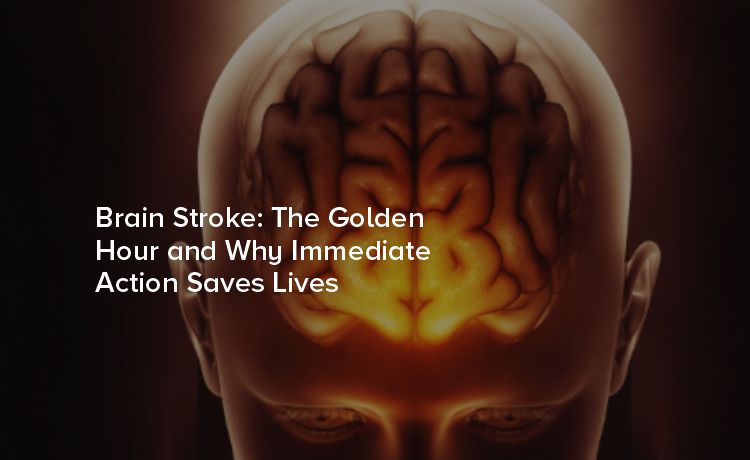
When it comes to brain strokes, time is everything. A stroke occurs when the blood supply to part of the brain is disrupted, either due to a blockage (ischemic stroke) or a burst blood vessel (hemorrhagic stroke). The consequences can be devastating, ranging from paralysis and speech difficulties to fatality. But there is hope. Acting within the “golden hour” can significantly improve the outcomes for stroke patients, minimizing long-term damage and even saving lives.
The term “golden hour” in stroke treatment refers to the critical 60-minute window after the onset of symptoms. This period is crucial because immediate medical intervention can prevent brain cells from extensive damage or death. Studies have shown that for every minute a stroke goes untreated, approximately 1.9 million brain cells are lost. This stark statistic underscores the importance of quick action.
To maximize the chances of recovery, specialized treatments like thrombolysis (clot-dissolving medication) must be administered during this time. For instance, tissue plasminogen activator (tPA) is a clot-busting medication effective for ischemic strokes—but it’s only approved for use within 4.5 hours of symptom onset, with the highest efficacy observed in the first hour.
A stroke is classified as a medical emergency because the longer the brain is deprived of oxygen-rich blood, the higher the risk of permanent damage or death. Here’s why timing is so critical:
Preventing Brain Cell Death: Brain cells rely on oxygen and nutrients delivered through blood flow. When this is cut off during a stroke, cells in the affected area begin to die rapidly. The faster blood flow is restored, the fewer cells are lost.
Improving Recovery Outcomes: Rapid treatment reduces the severity of long-term complications like paralysis, speech impairments, memory loss, and cognitive difficulties. Patients treated within the golden hour have a significantly higher chance of regaining independence.
Expanding Treatment Options: Quick action ensures access to treatments like tPA or thrombectomy (a procedure to physically remove a clot), which are only effective within specific time windows.
Recognizing a stroke in its early stages is essential to act within the golden hour. The acronym FAST is a simple and effective way to remember the primary symptoms:
Face drooping: One side of the face may droop or feel numb. Ask the person to smile and see if the smile appears uneven.
Arm weakness: One arm may feel weak or numb. Ask the person to raise both arms. Does one arm drift downward?
Speech difficulty: The person may slur their words, have trouble speaking, or seem confused. Ask them to repeat a simple sentence like “The sky is blue” to check for clarity.
Time to call: If you notice any of these signs, call 24X7 Emergency Care 040 67 19 20 21 immediately—even if the symptoms seem to subside. Speed is crucial.
Other symptoms include sudden vision problems, severe headache, difficulty walking or maintaining balance, and confusion. Recognizing these signs is the first step toward saving lives.
If you suspect someone is experiencing a stroke, follow these steps to ensure they get timely and effective care:
Call Emergency Services
Call 24X7 Emergency Care 040 67 19 20 21 emergency number immediately. Do not wait or try to drive the person to the hospital yourself. Paramedics are trained to provide critical pre-hospital care and notify the hospital to prepare for the patient’s arrival.
Note Symptom Onset Time
Record the exact time symptoms began, as this information is critical for determining treatment options. If you’re unsure about the time, provide an estimate.
Keep the Person Calm and Comfortable
Help them lie down with their head slightly elevated. Avoid giving them food, drink, or medication, as these can complicate treatment.
Stay Alert for Changes
Monitor their symptoms and communicate any changes to the medical team upon arrival.
Stroke treatment has advanced significantly, and many healthcare facilities now operate specialized stroke centers equipped with the latest technology and expertise. These centers offer comprehensive evaluations, swift imaging tests like CT scans or MRIs, and access to life-saving interventions such as:
Thrombolysis
Administering clot-dissolving medication like tPA, which can restore blood flow and minimize damage if given within the time window.
Thrombectomy
A minimally invasive procedure to physically remove large clots from arteries, often effective for ischemic strokes when performed promptly.
Neurocritical Care
Facilities dedicated to stroke management provide ongoing monitoring and care in specialized units to support recovery.
Public awareness campaigns focusing on stroke symptoms and the importance of the golden hour are invaluable. When communities are educated on recognizing and responding to strokes, the chances of timely treatment and better outcomes increase dramatically.
Individuals can also take steps to reduce their own risk by addressing preventable factors like:
Engaging in regular checkups and managing chronic health conditions can go a long way in preventing strokes.
Strokes don’t have to be a life sentence. With timely intervention during the golden hour, the odds of recovery are significantly improved. However, the key lies in awareness, education, and prompt action.
If you or a loved one is at risk, now is the time to educate yourself on recognizing stroke symptoms and creating an action plan. Medical emergencies are unpredictable, but preparedness can be the difference between life and death, or between a full recovery and lifelong challenges.
Acting quickly can't be overstated. Thousands of lives can be saved each year if more people know the signs of a stroke and the critical importance of immediate action.