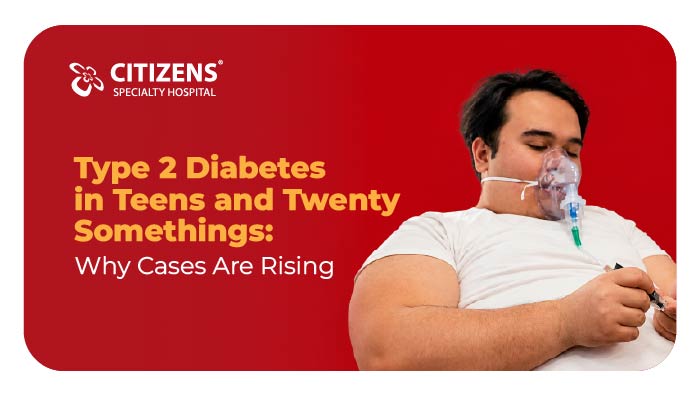
Not long ago, type 2 diabetes was called "adult-onset diabetes" because it was rarely seen before middle age. That label no longer fits. Doctors are now diagnosing type 2 diabetes in teenagers, college students and young professionals in their twenties at rates that would have been unthinkable a generation ago. India, with its large young population and a strong genetic tendency towards diabetes, is especially affected.
What Is Type 2 Diabetes?
Type 2 diabetes is a long-term condition in which the body cannot use insulin properly (insulin resistance) and, over time, the pancreas cannot make enough insulin to compensate. Insulin is the hormone that moves sugar (glucose) from the blood into cells for energy. When it does not work well, sugar builds up in the bloodstream.
This is different from type 1 diabetes, an autoimmune condition in which the body stops producing insulin altogether. Type 1 usually appears in childhood or adolescence and is not linked to lifestyle.
Why Are Cases Rising in Young People?
There is no single cause. Instead, several modern lifestyle and environmental factors are combining to push young people towards diabetes.
1. Rising Childhood and Adolescent Obesity
Excess body fat, especially around the abdomen, is the strongest driver of insulin resistance. More children are overweight than ever before, and many carry this extra weight into adulthood.
2. Sedentary Screen-Based Lifestyles
Hours spent on phones, laptops, gaming and online classes have replaced outdoor play and sport. Muscles that are not used regularly become less sensitive to insulin.
3. Ultra-Processed Food and Sugary Drinks
Packaged snacks, fast food, sweetened beverages, bakery items and energy drinks deliver large amounts of refined carbohydrates and sugar with very little fibre. Food delivery apps have made these choices easier than ever.
4. Poor Sleep and Chronic Stress
Late nights, irregular sleep and academic or work pressure raise stress hormones like cortisol, which increase blood sugar and appetite.
5. Genetics and Ethnicity
South Asians tend to develop diabetes at lower body weights and younger ages than many other populations. Having a parent or sibling with type 2 diabetes significantly raises personal risk.
6. Hormonal Conditions
Polycystic ovary syndrome (PCOS) is common in young women and is closely linked to insulin resistance.
7. Diabetes During Pregnancy
Children born to mothers who had gestational diabetes have a higher chance of developing diabetes themselves.
Who Is Most at Risk?
You or your child may be at higher risk of type 2 diabetes if you:
Early Signs and Symptoms
Type 2 diabetes often develops quietly. Many young people have no symptoms at all at first. When symptoms do appear, they may include:
Because symptoms can be mild or absent, screening is essential for anyone with risk factors, even if they feel perfectly well.
How Is Type 2 Diabetes Diagnosed?
Diagnosis is simple and relies on blood tests:
Doctors may also check for antibodies to make sure it is not type 1 diabetes, along with lipid profile, liver function, kidney function and urine albumin.
Why Early-Onset Diabetes Needs Serious Attention
Developing diabetes at 18 instead of 55 means living with it for decades longer. This increases the lifetime risk of complications such as:
Studies indicate that young people with type 2 diabetes may lose blood sugar control faster than older adults, which makes early, consistent treatment especially important.
Treatment Options for Young People
Management is tailored to each person, but usually includes:
Lifestyle Changes
These are the foundation of treatment and can make a dramatic difference:
Medicines
Metformin is commonly the first medicine prescribed. Depending on blood sugar levels, doctors may also use newer medicines that support weight loss and protect the heart and kidneys, or insulin when needed.
Regular Monitoring
Home glucose checks, HbA1c every three months, and annual eye, kidney and foot examinations help keep complications at bay.
Can Type 2 Diabetes Be Reversed?
In some young people, especially those diagnosed early, significant weight loss and lifestyle changes can bring blood sugar back to the normal range without medicines. Doctors call this "remission" rather than cure, because the tendency remains and blood sugar can rise again if old habits return. Remission is most likely within the first few years after diagnosis.
Practical Prevention Tips for Families
Parents play a big role in shaping healthy habits. Simple steps include:
Diabetes and Mental Health in Young People
Living with a long-term condition during the teenage and early adult years can be emotionally demanding. Young people may feel embarrassed checking blood sugar in front of friends, frustrated by food restrictions or anxious about the future. Diabetes distress, depression and disordered eating are more common in this group and can make blood sugar harder to control. Families and doctors should check in on emotional wellbeing as regularly as they check HbA1c. Counselling, peer support groups and simple, realistic goals help young people stay motivated. Small, steady wins, such as a daily walk or swapping a soft drink for water, build confidence far better than strict, short-lived diets.
Frequently Asked Questions
Can a slim young person get type 2 diabetes?
Yes. Especially among South Asians, diabetes can occur at a normal body weight if there is excess fat around the abdomen and organs, a strong family history or very low physical activity.
Is prediabetes reversible?
Often, yes. Prediabetes is a warning sign, and lifestyle changes at this stage can prevent or delay progression to diabetes.
How often should young people be tested?
Those with risk factors should be screened at least every one to three years, or sooner if symptoms appear.