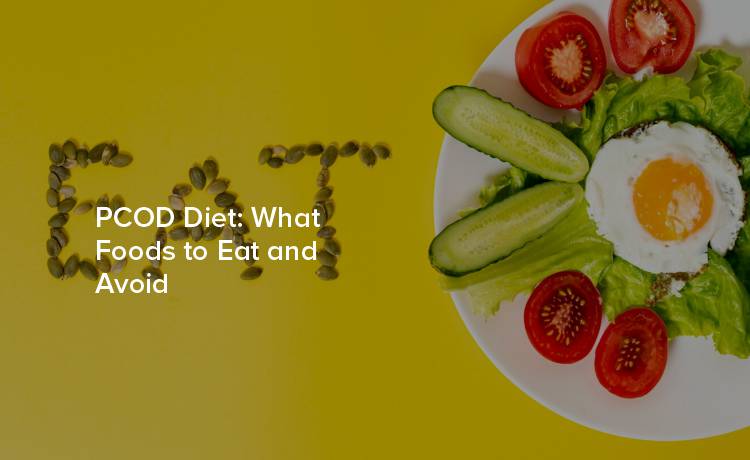
Living with Polycystic Ovarian Disease (PCOD) means managing a complex hormonal condition that affects multiple aspects of your health. While medical treatment plays a crucial role, the foods you choose each day can significantly influence your symptoms and overall well-being.
Understanding which foods support your body and which ones work against it empowers you to take control of your health. The right dietary choices can help regulate insulin levels, reduce inflammation, and support hormonal balance—all essential factors in managing PCOD effectively.
PCOD affects how your body processes insulin and manages blood sugar levels. Many women with this condition experience insulin resistance, which means their cells don't respond efficiently to insulin. This creates a cascade effect: elevated insulin levels trigger excess androgen production, leading to the irregular periods, weight gain, and other symptoms commonly associated with PCOD.
Your diet directly impacts this cycle. Foods that cause rapid blood sugar spikes demand more insulin production, potentially worsening insulin resistance over time. Conversely, choosing foods that support stable blood sugar levels can help break this pattern and improve your symptoms.
Non-starchy vegetables should form the foundation of your PCOD diet. Leafy greens like spinach, kale, and Swiss chard provide essential nutrients without spiking blood sugar. Broccoli, cauliflower, Brussels sprouts, and bell peppers offer fiber that slows digestion and helps maintain steady glucose levels.
Aim to fill half your plate with these vegetables at each meal. Their high fiber content supports digestive health and helps you feel satisfied longer, which can assist with weight management.
Protein plays a vital role in blood sugar regulation and helps reduce cravings. Choose skinless chicken, turkey, fish rich in omega-3 fatty acids (like salmon and mackerel), eggs, and plant-based options such as lentils and chickpeas.
These protein sources provide the building blocks your body needs for hormone production while keeping you feeling full and energized throughout the day.
Not all carbohydrates affect your body the same way. Complex carbohydrates break down slowly, providing sustained energy without dramatic blood sugar fluctuations. Opt for quinoa, brown rice, oats, sweet potatoes, and whole grain bread over their refined counterparts.
These foods offer valuable nutrients and fiber that support overall metabolic health, making them excellent choices for PCOD management.
Don't fear fat—choose the right kinds. Avocados, nuts (especially almonds and walnuts), seeds (flax, chia, and pumpkin), and olive oil provide anti-inflammatory omega-3 fatty acids that support hormonal balance.
These fats also enhance the absorption of fat-soluble vitamins and help regulate appetite by promoting satiety.
Chronic inflammation often accompanies PCOD. Combat this by including turmeric, ginger, berries, tomatoes, and fatty fish in your diet. These foods contain compounds that help reduce inflammation throughout your body, potentially easing PCOD symptoms.
Green tea deserves special mention—it contains antioxidants that may improve insulin sensitivity and support weight management efforts.
White bread, pastries, sugary cereals, and sweets cause rapid blood sugar spikes that worsen insulin resistance. These foods provide empty calories without the nutrients your body needs for optimal function.
When you crave something sweet, reach for fresh fruit instead. While fruit contains natural sugars, it also provides fiber, vitamins, and minerals that refined sweets lack.
Fast food, packaged snacks, and fried items often contain trans fats and excessive sodium that promote inflammation. They're typically low in nutrients but high in calories, making weight management more challenging.
Preparing meals at home gives you control over ingredients and cooking methods, helping you avoid these problematic foods.
White rice, potatoes, and corn can cause sharp increases in blood sugar levels. If you enjoy these foods, pair them with protein and healthy fats to slow their absorption, or choose smaller portions alongside plenty of vegetables.
Some women with PCOD find that dairy aggravates their symptoms, possibly due to its effect on insulin and androgen levels. Consider reducing your dairy intake or choosing alternatives like almond milk, coconut yogurt, or cashew cheese.
If you continue consuming dairy, opt for organic, full-fat versions in moderation rather than low-fat options, which often contain added sugars.
Excessive caffeine can affect hormone levels and disrupt sleep, both of which matter for PCOD management. Limit coffee to one or two cups daily, and avoid it after midday if you experience sleep difficulties.
Alcohol affects liver function and blood sugar regulation. If you choose to drink, do so in moderation—no more than one serving occasionally—and always with food.
Building a sustainable eating pattern starts with understanding portions and timing. Eat every three to four hours to maintain stable blood sugar levels. Each meal should include protein, healthy fats, and fiber-rich carbohydrates.
Start your day with a protein-rich breakfast—perhaps scrambled eggs with vegetables and avocado, or Greek yogurt with berries and nuts. This sets a positive metabolic tone for the rest of your day.
For lunch and dinner, follow the plate method: fill half with non-starchy vegetables, one-quarter with lean protein, and one-quarter with complex carbohydrates. Add a serving of healthy fat, such as olive oil dressing or a small handful of nuts.
Keep healthy snacks available for between meals. Hummus with vegetable sticks, a small handful of almonds, or an apple with almond butter can prevent blood sugar dips that lead to poor food choices.
Diet alone can significantly improve PCOD symptoms, but lifestyle factors amplify results:
Managing PCOD is a holistic process, and diet is one of the most powerful tools at your disposal. By focusing on foods to eat in PCOD, avoiding processed and sugary foods, and embracing the best diet for PCOD management, you can effectively regulate hormones, manage weight, and reduce symptoms.
Remember, PCOD affects each individual differently, so it’s essential to consult a healthcare professional or dietitian to customize your diet plan. With consistency, patience, and the right dietary choices, you can take control of your PCOD journey and lead a healthier, more balanced life.