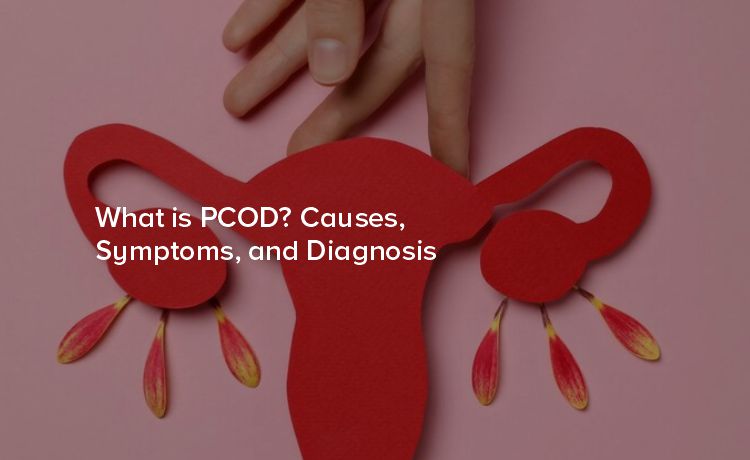
Polycystic Ovary Disease (PCOD) is one of the most common hormonal disorders affecting women of reproductive age. It impacts not only fertility but also overall health, metabolism, and emotional well-being. With lifestyle changes, early detection, and proper treatment, PCOD can be effectively managed
Polycystic Ovary Disease (PCOD) is a hormonal imbalance in which a woman’s ovaries produce an excessive amount of androgens (male hormones). This hormonal disturbance interferes with the normal functioning of the ovaries, causing irregular menstrual cycles and the formation of small cysts on the outer edges of the ovaries. These cysts are immature or partially developed eggs that fail to be released during ovulation.
While PCOD and Polycystic Ovary Syndrome (PCOS) are often used interchangeably, there is a subtle difference. PCOD is primarily a disorder of the ovaries, while PCOS is a broader metabolic condition that affects multiple systems in the body. However, both share similar symptoms and treatment approaches.
The exact cause of PCOD is still unclear, but several factors contribute to its development. Here are the most common causes and risk factors:
Women with PCOD have elevated levels of androgens, such as testosterone, which disrupt ovulation and lead to cyst formation. An imbalance in other hormones like insulin and luteinizing hormone (LH) also contributes to the condition.
Insulin helps regulate blood sugar levels. When the body becomes resistant to insulin, the pancreas produces more of it to maintain normal glucose levels. High insulin levels can increase androgen production, leading to irregular menstrual cycles and ovulation problems.
PCOD often runs in families. If your mother, sister, or aunt has been diagnosed with Polycystic Ovary Disease, your risk of developing it may be higher.
Poor diet, lack of exercise, and obesity can worsen hormonal imbalances. Processed foods and high-sugar diets may contribute to insulin resistance and weight gain, further triggering PCOD symptoms.
Low-grade inflammation in the body may stimulate the ovaries to produce androgens, which can interfere with ovulation.
The symptoms of PCOD can vary from person to person. Some women experience mild signs, while others face more severe hormonal and metabolic complications. The most common symptoms include:
Irregular, delayed, or missed periods are one of the earliest signs of PCOD. Some women may also experience very heavy or scanty bleeding.
Unexplained weight gain, especially around the waistline, is common due to insulin resistance and hormonal imbalance.
High androgen levels can cause excessive sebum production, leading to acne, oily skin, and even dandruff.
Women with PCOD often notice unwanted hair growth on the face, chest, and abdomen due to elevated testosterone levels.
While some areas experience excessive hair growth, the scalp may suffer from hair thinning or male-pattern baldness.
PCOD disrupts ovulation, making it difficult for women to conceive naturally. However, with proper treatment, fertility can often be restored.
Hormonal imbalances and chronic stress can lead to anxiety, mood swings, and depression.
Dark patches, especially around the neck, underarms, and groin (a condition called acanthosis nigricans), are common among women with insulin resistance.
Early diagnosis of Polycystic Ovary Disease is essential to manage symptoms effectively and prevent complications like diabetes, heart disease, and infertility. Several PCOD diagnosis tests are used by doctors to confirm the condition.
Your doctor will begin by discussing your menstrual cycle, weight changes, family history, and other symptoms. A physical examination may be conducted to check for signs such as acne, excess hair growth, and dark skin patches.
Blood tests are crucial for evaluating hormone levels and ruling out other conditions. Common tests include:
An ultrasound scan is one of the key PCOD diagnosis tests. It helps visualize the ovaries and detect multiple small cysts, often described as a “string of pearls” appearance. The doctor also checks for ovarian size and endometrial thickness.
In some cases, additional tests may be required to rule out conditions like adrenal hyperplasia or Cushing’s syndrome that can cause similar symptoms.
Though PCOD cannot be completely cured, it can be effectively managed through a combination of lifestyle changes, medications, and regular monitoring.
Doctors may prescribe:
Routine follow-ups and PCOD diagnosis tests help track hormonal changes and prevent long-term complications such as type 2 diabetes and cardiovascular issues.
If left untreated, Polycystic Ovary Disease can lead to several health risks, including:
Early detection and a consistent treatment plan can help manage these complications effectively.
Polycystic Ovary Disease (PCOD) is a complex yet manageable condition that affects millions of women worldwide. Recognizing early symptoms and undergoing timely PCOD diagnosis tests can make a significant difference in long-term health outcomes. With proper lifestyle changes, medical support, and awareness, women with PCOD can lead healthy and fulfilling lives. If you suspect symptoms of PCOD, consult a gynecologist or endocrinologist for a thorough evaluation and personalized treatment plan.