Silent Heart Attacks in Young Indians- Warning Signs
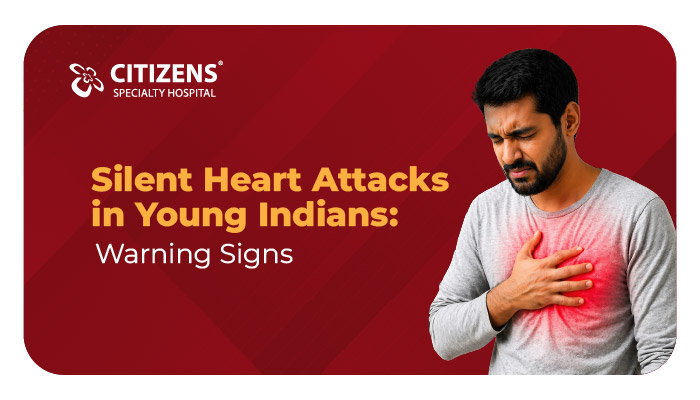
India is seeing a rising number of young adults experiencing heart disease and even silent heart attacks. What makes these events more dangerous is that they often go unnoticed until it’s too late leading to delayed treatment, serious complications, or even sudden death.
What is a Silent Heart Attack?
A silent heart attack, medically known as a silent myocardial infarction (SMI), happens when the blood flow to the heart muscle is severely reduced or cut off completely. This lack of oxygenated blood causes damage to the heart tissue.
During a traditional heart attack, the body usually sends intense pain signals to the chest, arms, or jaw. During a silent heart attack, these alarm bells are muffled. You might feel perfectly fine, or you might experience mild discomfort that is easily attributed to a busy workday, a poor night of sleep, or a heavy meal. Because the person does not seek immediate medical care, the heart is left to endure the trauma without medical support, increasing the risk of heart failure down the line.
Why Young Indians Face a Higher Risk
The rising incidence of heart disease among young Indians is a complex issue driven by a combination of genetic predispositions and lifestyle factors. Medical research indicates that South Asians generally experience heart disease up to a decade earlier than other demographics.
Understanding these risk factors can help you take proactive steps toward prevention:
-
Genetic predisposition: South Asians often possess a genetic tendency toward insulin resistance, higher levels of harmful cholesterol (LDL), and elevated triglycerides. Furthermore, Indians frequently have smaller coronary arteries, which can become blocked more easily.
-
High-stress lifestyles: Chronic stress from demanding careers and fast-paced urban living elevates cortisol levels. This constant state of physiological stress increases blood pressure and promotes inflammation in the arteries.
-
Dietary shifts: A transition away from traditional, balanced meals to highly processed foods rich in refined carbohydrates, unhealthy fats, and excess sugar contributes heavily to early-onset diabetes and obesity.
-
Sedentary habits: Long hours sitting at a desk and a lack of routine physical activity weaken the cardiovascular system.
-
Tobacco use: Smoking or chewing tobacco remains a significant risk factor, directly damaging the lining of the arteries and accelerating the buildup of plaque.
Subtle Warning Signs You Should Never Ignore
If you experience any of the following symptoms, especially in combination, it is highly recommended to consult a healthcare professional.
-
Unexplained fatigue: Feeling unusually exhausted after a normal day, or waking up feeling drained despite a full night of sleep, can be a sign that your heart is struggling to pump blood efficiently.
-
Mild chest discomfort: This may feel like a slight pressure, squeezing, or a dull ache in the center of the chest. It might last for just a few minutes, disappear, and then return.
-
Shortness of breath: Struggling to catch your breath after minor physical exertion, such as walking up a single flight of stairs or carrying light groceries, can indicate reduced cardiac output.
-
Heartburn or indigestion: Many patients mistake a silent heart attack for acid reflux or a stomach bug. A persistent burning sensation in the upper abdomen or lower chest that does not improve with antacids requires medical evaluation.
-
Discomfort in other areas: Pain or a strange aching sensation can radiate to the jaw, neck, upper back, or arms.
-
Cold sweats and dizziness: Breaking out in an unexplained cold sweat, feeling lightheaded, or experiencing a sudden wave of dizziness can occur as the heart struggles to maintain adequate blood pressure.
Proactive Steps for Cardiovascular Prevention
-
Schedule regular cardiac screenings: Do not wait until you are in your forties to check your heart health. Young adults should regularly monitor their blood pressure, blood sugar levels, and lipid profiles.
-
Adopt a heart-healthy diet: Focus on consuming fresh vegetables, whole grains, lean proteins, and healthy fats. Minimize your intake of refined sugars and deep-fried foods.
-
Incorporate daily movement: Aim for at least 150 minutes of moderate aerobic exercise each week. Brisk walking, swimming, cycling, or yoga can significantly improve your heart's efficiency.
-
Prioritize stress management: Carve out time for activities that bring you peace. Meditation, deep breathing exercises, and adequate sleep are vital components of a healthy heart.
-
Listen to your body: You know your body better than anyone else. If something feels off, trust your instincts and seek a professional medical opinion.
How to Know You’ve Had a Silent Heart Attack
-
Since symptoms can be subtle, many people discover they had a silent heart attack during routine checkups or tests like:
-
Electrocardiogram (ECG)
Reveals electrical changes in the heart muscles that indicate previous damage.
-
Echocardiogram
Shows reduced heart muscle movement or weakened areas.
-
Cardiac MRI
Detects scarring or tissue damage.
-
Blood Tests (Cardiac Biomarkers)
Troponin elevation during an episode indicates heart muscle injury, even if symptoms were mild.
Conclusion
A silent heart attack is a profound reminder that our bodies do not always communicate distress in obvious ways. For young Indians navigating demanding lives, making heart health a priority is no longer optional it is a vital necessity.