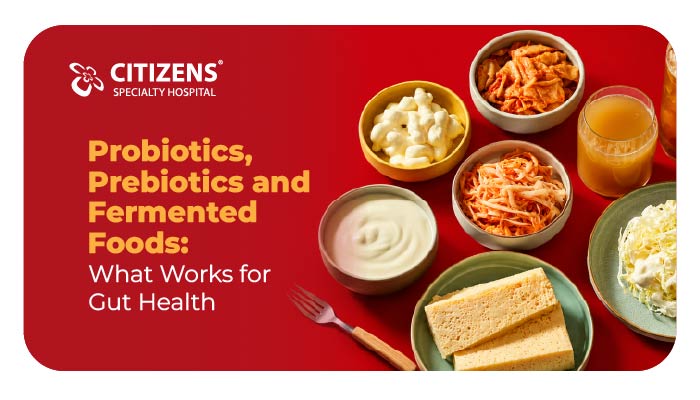
Gut health has become one of the hottest topics in wellness. Supermarket shelves are lined with probiotic drinks, fortified yoghurts and capsules, while social media is full of recipes for kombucha, kimchi and kefir. Behind this trend is real science: the trillions of microbes living in our intestines play important roles in digestion, immunity, metabolism and even mood.
Understanding the Gut Microbiome
Your gut microbiome is the community of bacteria, viruses, fungi and other microorganisms living mainly in your large intestine. A healthy microbiome is diverse, with many different species working together. These microbes help to:
Diet, antibiotics, stress, sleep, illness, age and lifestyle all shape the microbiome. When its balance is disturbed, a state sometimes called dysbiosis, it has been linked with digestive problems and other health conditions, although researchers are still working out cause and effect.
Probiotics, Prebiotics and Postbiotics: What Is the Difference?
Probiotics
Probiotics are live microorganisms that, when taken in adequate amounts, provide a health benefit. Common probiotic species include Lactobacillus, Bifidobacterium and the yeast Saccharomyces boulardii.
Prebiotics
Prebiotics are types of fibre and plant compounds that feed the beneficial bacteria already living in your gut. Think of them as fertiliser for your microbiome.
Synbiotics
Products or meals that combine probiotics and prebiotics.
Postbiotics
Beneficial substances produced by bacteria, or inactivated bacteria themselves, which may still have health effects. This is a newer area of research.
Fermented Foods
Foods made through controlled microbial growth. Some, but not all, contain live microbes when eaten. For example, curd and kefir usually contain live cultures, while bread, which is baked, does not.
What Does the Evidence Say About Probiotics?
The benefits of probiotics are strain-specific and condition-specific. A strain that helps one problem may do nothing for another. Here is where the evidence is strongest:
Good Evidence
Moderate or Mixed Evidence
Limited or Unproven Evidence
Prebiotics: Feeding Your Good Bacteria
Prebiotic fibres reach the colon undigested, where gut bacteria ferment them into beneficial compounds. Good sources include:
Most adults should aim for about 25 to 30 grams of fibre per day, yet many people eat far less. Increasing fibre gradually and drinking enough water helps avoid gas and bloating.
Note: many prebiotic foods are high in FODMAPs, so people with IBS may need to introduce them carefully with guidance.
Fermented Foods: Traditional Wisdom Meets Modern Science
Fermented foods have been part of Indian diets for centuries. A 2021 Stanford study found that people who ate more fermented foods for 10 weeks had greater gut microbial diversity and lower markers of inflammation. This is promising, though more research is needed.
Indian Fermented Foods
Global Fermented Foods
Tips for Choosing Fermented Foods
Should You Take a Probiotic Supplement?
Probiotic supplements may be useful in specific situations, such as:
Choosing a Probiotic Supplement
Who Should Be Cautious?
Probiotics are generally safe, but people who are severely ill, have weakened immune systems, have central lines or have recently had major surgery should consult a doctor first, as there is a small risk of infection.
Everyday Habits for a Healthier Gut
When Gut Symptoms Need Medical Attention
Probiotics and diet changes cannot fix every gut problem. See a doctor if you have:
Gut Health Myths Worth Busting
Small, steady changes, such as adding a portion of dal or vegetables to each meal and swapping sugary drinks for buttermilk, often do more for your gut than expensive products.
Frequently Asked Questions
Is homemade curd a good probiotic?
Yes. Fresh homemade curd contains live lactic acid bacteria and is an excellent everyday source. Its effects are general rather than strain-specific.
Can I take probiotics with antibiotics?
Often, yes. Take them a few hours apart from the antibiotic dose. Ask your doctor which product is suitable.
Do probiotics help with bloating?
Some people with IBS find specific strains reduce bloating, but results vary. If bloating persists, see a gastroenterologist.