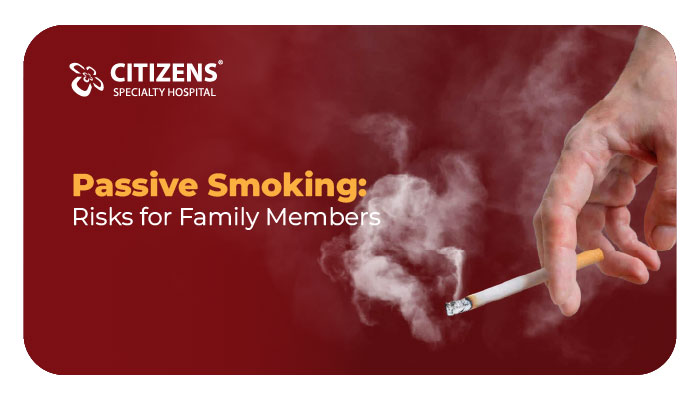
Creating a safe, nurturing environment for your loved ones is a priority that guides many of your daily decisions. You invest in nutritious food, ensure your home is secure, and encourage healthy habits. Yet, one of the most significant threats to family health often lingers invisibly in the air. Passive smoking, commonly known as second-hand smoke, introduces a complex array of harmful chemicals into the spaces where your family should feel most protected.
Understanding the true impact of second-hand smoke is a vital step in safeguarding your household. Exposure to these airborne toxins affects individuals of all ages, but it poses a particularly severe threat to the developing bodies of young children and infants.
What Is Passive Smoking?
Passive smoking refers to the involuntary inhalation of tobacco smoke released into the air by someone else. This smoke comes from two main sources:
Side stream smoke is particularly dangerous because it contains higher concentrations of toxic chemicals and finer particles that penetrate deep into the lungs.
What’s in Second-hand Smoke?
Second-hand smoke contains more than 7,000 chemicals, including:
At least 70 of these chemicals are known carcinogens, making passive smoking a serious public health concern.
Why Passive Smoking Is Especially Dangerous at Home
Homes are enclosed spaces where smoke particles can linger for hours, even after the cigarette is extinguished. Curtains, furniture, carpets, clothes, and walls absorb these toxins, leading to thirdhand smoke exposure, which continues to harm family members long after smoking stops.
Children, pregnant women, and elderly individuals are particularly vulnerable because:
Health Risks of Passive Smoking for Family Members
1. Risks for Children
Children are the most affected victims of passive smoking. Their lungs and immune systems are still developing, making them highly susceptible.
Common health effects include:
Studies show that children exposed to secondhand smoke are more likely to be hospitalized for respiratory illnesses than those living in smoke-free homes.
2. Risks for Pregnant Women and Unborn Babies
Passive smoking during pregnancy can be just as dangerous as smoking itself.
Potential complications include:
Toxins from secondhand smoke reduce oxygen supply to the fetus, interfering with normal growth and increasing the risk of lifelong health issues.
3. Risks for Spouses and Adult Family Members
Non-smoking adults exposed to passive smoking face a higher risk of serious chronic diseases.
Heart Disease and Stroke
Secondhand smoke damages blood vessels and increases blood clot formation. Even brief exposure can:
Long-term exposure raises the risk of coronary heart disease by 25–30% in non-smokers.
Lung Cancer
Living with a smoker increases a non-smoker’s risk of lung cancer by 20–30%, even if they have never smoked in their lifetime.
4. Risks for Elderly Family Members
Older adults often have existing conditions such as diabetes, heart disease, or chronic respiratory problems. Passive smoking can:
For elderly individuals, even low levels of exposure can lead to severe complications.
How Passive Smoking Impacts Children
Children are exceptionally vulnerable to the dangers of passive smoking. Their lungs and immune systems are still developing, and they breathe at a faster rate than adults, meaning they inhale a larger volume of harmful chemicals relative to their body weight.
Immediate Respiratory Complications
Infants and young children exposed to secondhand smoke experience significantly higher rates of respiratory infections. Conditions such as bronchitis and pneumonia occur much more frequently in households where smoking takes place. Furthermore, children who already have asthma face a particularly difficult burden. Passive smoking can trigger severe asthma attacks, leading to terrifying breathing difficulties and unexpected hospital visits.
Long-Term Developmental Concerns
The impact of passive smoking extends beyond immediate respiratory illnesses. Research consistently links secondhand smoke exposure to an increased risk of sudden infant death syndrome (SIDS). Additionally, children routinely exposed to these toxins frequently suffer from chronic middle ear infections. These infections cause intense pain and, if left untreated, can lead to permanent hearing loss, which may subsequently affect speech development and academic performance.
Conclusion
Passive smoking is a silent but serious threat that affects millions of non-smokers every day especially within families. From infants and children to pregnant women and the elderly, no one is immune to its harmful effects.
Creating a smoke-free environment is one of the most powerful steps you can take to protect your loved ones. By understanding the risks of passive smoking and making responsible choices, you not only safeguard your family’s health but also contribute to a healthier future for everyone.