Palpitations: Holter and Event Monitoring to Find the Cause
You are sitting quietly, and suddenly your heart starts pounding. Or perhaps it feels as if it skipped a beat, fluttered in your chest or raced for no reason. These sensations, known as palpitations, are among the most common reasons people visit a cardiologist. They can be frightening, especially when they happen at night or come without warning.
What Are Palpitations?
Palpitations are the feeling of being aware of your own heartbeat. People describe them in different ways:
- A pounding or thumping heartbeat
- A racing or fast heartbeat
- Fluttering in the chest or throat
- Skipped or extra beats
- A heartbeat that feels irregular or chaotic
- A pause followed by a strong thump
They can last a few seconds, minutes or longer, and may occur at rest, during exercise, when lying down or at night.
Common Causes of Palpitations
Harmless or Non-Cardiac Causes
- Stress, anxiety and panic attacks
- Caffeine: coffee, tea, energy drinks and pre-workout supplements
- Nicotine and alcohol
- Strenuous exercise
- Fever and dehydration
- Hormonal changes: pregnancy, menstrual cycle and menopause
- Low blood sugar
- Certain medicines: decongestants, asthma inhalers, thyroid medicines and some diet pills
- Recreational drugs: such as cocaine and amphetamines
Medical Conditions
- Anaemia: low haemoglobin makes the heart beat faster
- Overactive thyroid (hyperthyroidism)
- Low potassium or magnesium levels
- Low blood pressure or postural tachycardia syndrome (POTS)
Heart Rhythm Disorders (Arrhythmias)
- Ectopic beats: premature atrial or ventricular contractions, felt as skipped or extra beats. Usually harmless.
- Supraventricular tachycardia (SVT): sudden episodes of a very fast, regular heartbeat that start and stop abruptly.
- Atrial fibrillation (AF): an irregular, often fast rhythm that increases the risk of stroke.
- Atrial flutter
- Ventricular tachycardia (VT): a fast rhythm from the lower chambers that can be dangerous, especially in people with heart disease.
- Wolff-Parkinson-White (WPW) syndrome: an extra electrical pathway in the heart.
- Slow rhythms (bradycardia) or heart block: may cause pauses or a sensation of a strong beat after a gap.
Structural Heart Disease
Palpitations may also be linked to heart valve disease, cardiomyopathy, previous heart attack or congenital heart conditions.
When Are Palpitations a Warning Sign?
Seek medical attention urgently if palpitations come with:
- Chest pain or pressure
- Fainting or near-fainting
- Severe shortness of breath
- Dizziness or confusion
- Palpitations during exercise
- A family history of sudden cardiac death at a young age
Also see a doctor if your palpitations are frequent, long-lasting, getting worse, or if you have a known heart condition.
First Steps: How Doctors Evaluate Palpitations
Your doctor will ask detailed questions:
- How does it feel? Fast, irregular, skipped?
- How does it start and stop? Suddenly or gradually?
- How long does it last?
- What triggers it?
- Do you have other symptoms?
Tip: Try tapping out the rhythm of your palpitations on a table. This simple demonstration can give your doctor valuable clues.
Initial tests usually include:
- Resting 12-lead ECG: a snapshot of your heart's electrical activity, which may reveal WPW, long QT or signs of heart disease
- Blood tests: haemoglobin, thyroid function, electrolytes and blood sugar
- Echocardiogram: to check heart structure and function
If palpitations are not happening during the ECG, the test may be normal. This is when ambulatory monitoring becomes essential.
Holter Monitoring: Recording Every Heartbeat
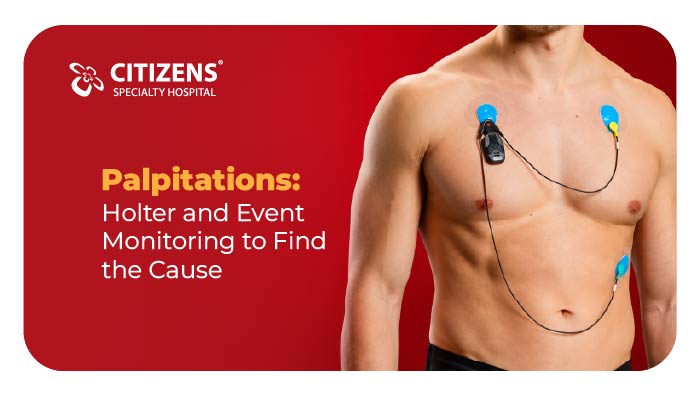
A Holter monitor is a small, portable ECG device that records every heartbeat continuously, usually for 24 to 48 hours, and sometimes up to 7 to 14 days with newer patch devices.
How It Works
- Small sticky electrodes are placed on your chest and connected to a lightweight recorder worn on a belt or around the neck. Some modern versions are a single adhesive patch.
- You go about your normal daily activities, including work, walking and sleeping.
- You keep a simple diary of any symptoms and what you were doing at the time.
- After the recording period, you return the device, and the data is analysed by a cardiologist.
When Is a Holter Monitor Most Useful?
- When palpitations occur daily or almost daily
- To measure how many ectopic beats you have
- To check heart rate control in atrial fibrillation
- To detect pauses or slow rhythms causing dizziness
- To assess rhythm problems after a heart attack or in cardiomyopathy
Tips During a Holter Test
- Avoid showering or bathing unless the device is waterproof
- Keep away from strong magnets and electric blankets
- Do not remove the electrodes
- Record symptoms accurately with the time
Event Monitoring: Catching Infrequent Palpitations
If your palpitations happen only once a week or once a month, a 24-hour Holter may miss them. In these cases, an event monitor is more useful.
Types of Event Monitors
- Patient-activated event recorder: you wear or hold the device and press a button when you feel symptoms. It records the rhythm at that moment.
- Looping event recorder: worn continuously for two to four weeks. It constantly records and saves the rhythm from a few minutes before and after you press the button, so even very short episodes are captured. Some also record automatically when an abnormal rhythm is detected.
- Mobile cardiac telemetry: transmits data in real time to a monitoring centre, allowing prompt detection of serious rhythms.
Implantable Loop Recorder (ILR)
For very rare symptoms or unexplained fainting, a tiny device about the size of a USB stick can be placed just under the skin of the chest in a quick procedure under local anaesthetic. It can monitor the heart rhythm for up to three years.
What About Smartwatches?
Many smartwatches can record a single-lead ECG and detect irregular rhythms such as atrial fibrillation. They can be helpful for capturing symptoms, but they are not a substitute for medical-grade monitoring. Always share recordings with your doctor rather than relying on them for diagnosis.
Other Tests That May Be Recommended
- Treadmill stress test: if palpitations occur during exercise
- Cardiac MRI: to look for heart muscle disease
- Electrophysiology study (EPS): a specialised test to map the heart's electrical pathways, often combined with treatment
Treatment Depends on the Cause
- Harmless ectopic beats: reassurance and lifestyle changes are often enough.
- Lifestyle triggers: reducing caffeine, alcohol and nicotine, managing stress and improving sleep.
- Medical causes: treating anaemia, thyroid disorders or electrolyte imbalances.
- Arrhythmias: medicines such as beta-blockers or antiarrhythmics, blood thinners for atrial fibrillation, catheter ablation to cure many types of SVT, AF and WPW, and pacemakers or defibrillators when needed.
Frequently Asked Questions
Are palpitations at night dangerous?
Palpitations are often more noticeable at night because it is quiet and you are lying still. They are usually harmless, but if they are frequent or come with other symptoms, get them checked.
Can anxiety cause palpitations?
Yes. Anxiety is a very common cause. However, it is important to rule out heart rhythm disorders before attributing palpitations to anxiety.
Is a Holter monitor painful?
No. It is completely painless. Some people experience mild skin irritation from the adhesive electrodes.